Queer people across Europe are reporting a harsher public climate, with discrimination, harassment and poor mental health increasingly intertwined. New findings and community warnings show why safer streets, better support services and inclusive healthcare matter now more than ever.
Essential Takeaways
- Public hostility is rising: Reported discrimination in public spaces has increased in Vienna over the past decade.
- Mental health gaps remain stark: LGB people are more likely to experience depression and other psychological difficulties.
- Trans people face particular pressure: They’re among the groups most exposed to hostility and exclusion.
- Coming out can feel unsafe: Fear of rejection or negative reactions still shapes everyday decisions.
- Support needs to be accessible: Community-led services and inclusive healthcare can make a meaningful difference.
A tougher public climate is being felt on the street
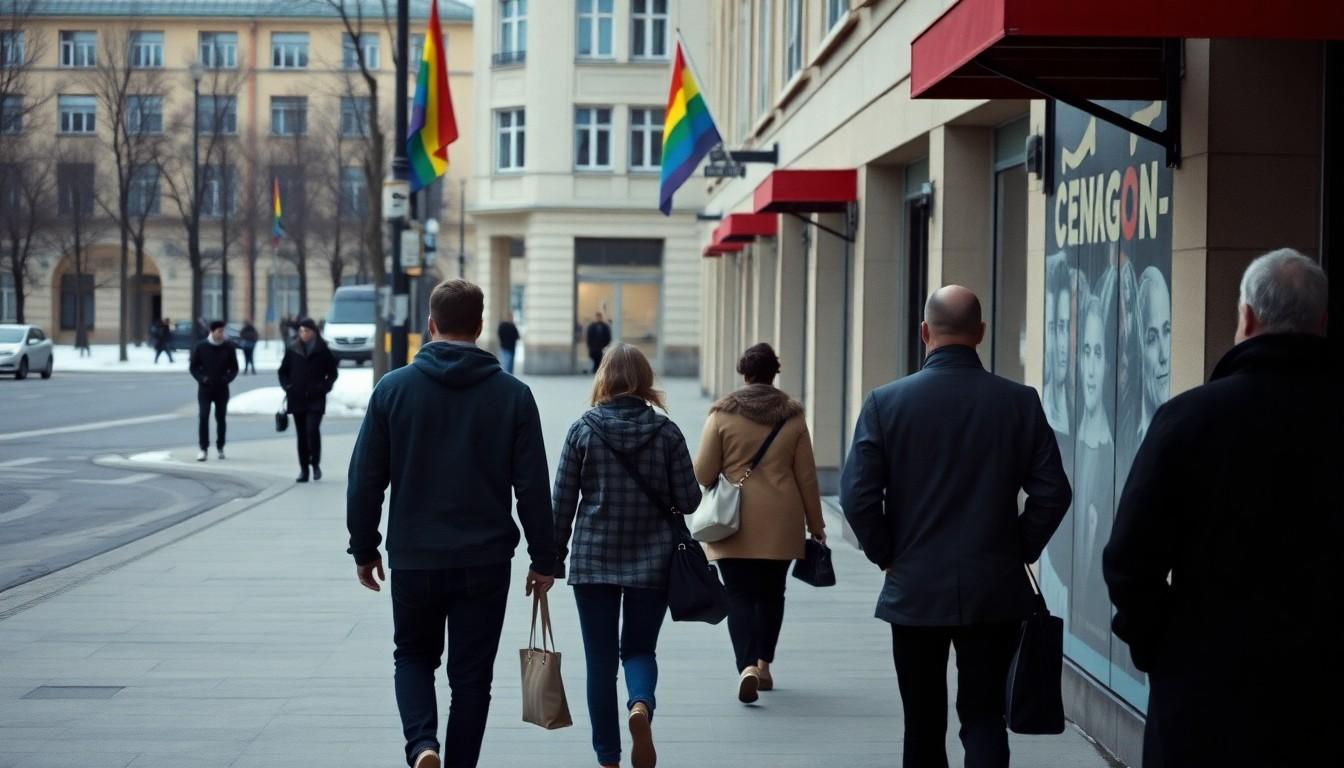
Holding a partner's hand should be an ordinary moment. For many queer people, though, it can still feel like a calculated risk, particularly in places where hostility is visible or where political debate has become increasingly aggressive.
In Austria, reported discrimination in public spaces rose from 28 per cent in 2015 to 38 per cent a decade later, according to figures from the City of Vienna cited in the report. That shift matters because it turns simple routines, such as walking through town together, into moments coloured by caution. The European Union Agency for Fundamental Rights has also highlighted rising violence and harassment affecting intersex people, underlining the wider pattern. [2]
The change isn't only about isolated incidents. Advocacy groups say the broader political atmosphere, including Europe's rightward turn, can make abuse feel more socially permitted. ILGA-Europe's health research similarly points to the way discrimination and social conditions shape LGBTIQ people's wellbeing. [4]
Why discrimination and depression are so closely linked
Repeated hostility can be exhausting, even when each individual encounter seems minor. People may alter their routes, hide relationships, avoid healthcare or keep quiet at work and school, creating a steady background level of stress that is difficult to switch off.
Dutch national statistics reported that mental health challenges are more common among LGB people than among heterosexual people. The gap reflects more than identity itself. Rejection, isolation, harassment and unequal access to support can all affect whether someone feels secure enough to seek help. [3]
That distinction is important. Queer people aren't struggling because there's something inherently unhealthy about being LGBTQ+. They face a heavier load of external pressure, and the mental health consequences can accumulate quietly, like noise that never quite fades.
Young people are navigating visibility and safety
For queer pupils, students and apprentices, coming out can bring relief and connection, but it can also carry real risks. The Austrian figures cited in the report suggest that a quarter remain closeted, while one in five has experienced explicitly negative treatment. Trans people are reported to be affected most often. [4]
Schools and training environments therefore need more than broad statements about inclusion. Clear anti-bullying policies, trusted staff, confidential counselling and visible support can help young people decide when and how they want to be open. No teenager should have to treat honesty as a safety assessment.
The wider European picture is uneven, too. ILGA-Europe's findings show that health outcomes are shaped by overlapping factors, including discrimination, economic insecurity and access to affirming services. That means a single awareness campaign won't solve the problem on its own. [5]
What better support looks like in practice
Accessible mental health care is a crucial first step, but the quality of that care matters just as much. Someone seeking help shouldn't have to explain basic LGBTQ+ issues to every new professional, defend their identity or worry that a partner, family member or chosen name will be treated as an inconvenience.
Community organisations can provide a softer landing. Peer support, crisis advice and specialist counselling often offer reassurance that mainstream services don't always deliver, particularly for trans and intersex people facing multiple forms of stigma. European health research has called attention to these differences in experience and access. [6]
For individuals, small practical steps can help. Look for services that explicitly mention LGBTQ+ or trans-inclusive care, ask about confidentiality before an appointment and keep contact details for a trusted friend or local support group. It may sound basic, but knowing where to turn can make a frightening moment feel less lonely.
Safer streets require more than good intentions
The rise in reported discrimination is a warning that progress can't be measured only by laws or public celebrations. Pride flags matter, but so do well-trained frontline workers, responsive reporting systems and political leaders who challenge abuse rather than treating it as background noise.
The European Union Agency for Fundamental Rights' warning about harassment against intersex people shows why visibility must be matched by protection. Meanwhile, ILGA-Europe's research reinforces the need to consider health, housing, education and discrimination together rather than placing every burden on individual resilience. [2]
A hand held in public should be unremarkable. Making that possible will take sustained work, but it remains a clear and worthwhile measure of whether inclusion is real.
Support should be easy to find, respectful to use and available before a crisis takes hold.
Source Reference Map
Story idea inspired by: [1]
Sources by paragraph: