Advocates are urging New York City to create a dedicated $15 million fund for LGBTQ immigrant legal services, as community groups report rising demand for culturally competent support. The proposed investment would help with asylum cases, court deadlines, housing, language access and safety planning at a moment when many queer newcomers feel especially exposed.
Essential Takeaways
- The proposal: Advocates are seeking $7.5 million from the City Council and another $7.5 million through the Mayor's Office of Immigrant Affairs.
- Who needs help: LGBTQ immigrants and asylum seekers often require legal advice that understands both immigration rules and queer-specific risks.
- Services requested: The plan includes legal clinics, rights education, housing support, mental health referrals and language access.
- Why now: Community organisations say demand is outstripping their capacity, while missed hearings can have serious consequences.
- Existing support: New York already funds immigration services, but advocates want a clearly identified allocation for LGBTQ-focused provision.
Advocates say a general fund isn't enough
The central argument is simple: LGBTQ immigrants may face overlapping problems that standard immigration services aren't always equipped to handle. Someone fleeing persecution because of sexual orientation or gender identity may need help documenting abuse, explaining a forced relationship or navigating a process in which privacy is particularly important.
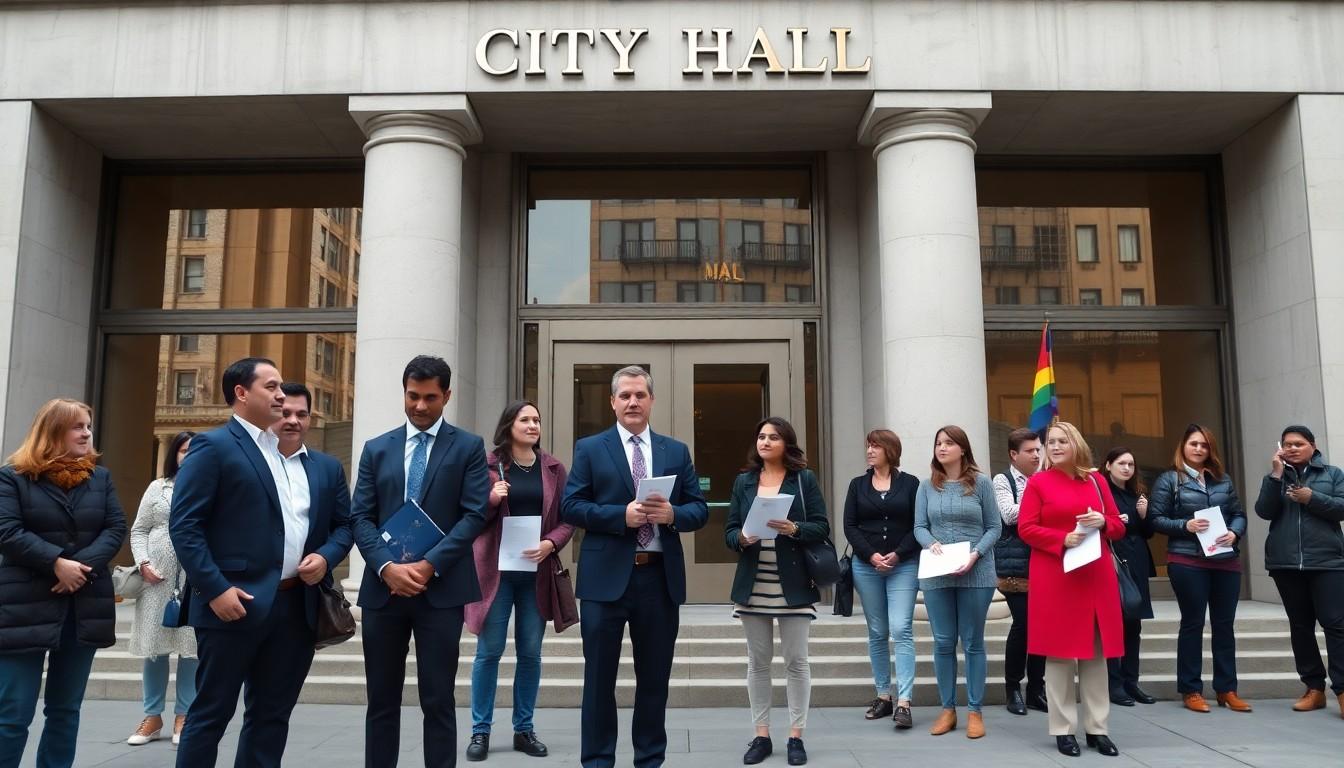
At a City Hall rally, the Caribbean Equality Project and the New York City Trans and Queer Coalition called for a combined $15 million commitment. The Caribbean Equality Project's campaign materials describe the fund as a way to expand legal representation and practical support for people who might otherwise be turned away. [2]
That gap matters in real life. A missed hearing, an incomplete application or a poorly explained asylum claim can turn an already frightening process into a crisis. For many newcomers, a trusted adviser isn't a luxury; it's the difference between understanding the next step and losing the thread completely.
What the proposed $15 million would cover
The request isn't limited to courtroom representation. Advocates want funding for "know your rights" sessions, immigration consultations, asylum support, housing assistance, mental health services and interpretation. Those extras may sound less dramatic than a legal filing, but they're often what allows someone to stay engaged with the case.
The city's existing immigration resources direct residents towards legal help, community organisations and other support channels. The official guidance also warns people to use qualified legal providers rather than unlicensed consultants, a useful reminder when fear and urgency make quick promises tempting. [4]
For LGBTQ immigrants, cultural competence is another key part of quality. A provider should understand confidentiality, chosen names, pronouns, family rejection, anti-trans violence and the particular evidence involved in persecution claims. Without that knowledge, even well-intended assistance can feel cold, confusing or unsafe.
New York already spends heavily on immigration support
The funding debate comes after New York City agreed a 2027 budget that includes substantial spending on immigration services. City Council budget announcements have highlighted legal services and support for immigrant New Yorkers, while the Speaker's office said the package represents a record level of investment in the area. [3]
The disagreement, then, isn't necessarily about whether immigration services deserve public money. It's about whether LGBTQ-specific help should be visibly protected within that broader pot. Advocates fear that specialist organisations can be left competing with larger providers, even when their expertise is essential.
Previous city funding rounds show how public money can be channelled through non-profit organisations delivering direct services. The Mayor's Office of Immigrant Affairs has historically awarded grants for legal assistance and related support, creating a framework that could be expanded rather than built from scratch. [5]
Why specialist organisations are under pressure
Groups supporting queer immigrants often work across several systems at once. A client may need an asylum lawyer, a safe place to stay, help replacing documents, a translator and emotional support, all while worrying about an immigration appointment or family safety.
The New York City Anti-Violence Project, for instance, provides legal fund information for people affected by violence and discrimination. Its resources reflect how immigration concerns can overlap with safety, housing and crisis support, particularly for people with limited income or unstable status. [6]
Youth organisations face a similar challenge. Free to Be Youth Project lists legal services among its support for LGBTQ young people, showing how immigration questions can arrive alongside schooling, family conflict, housing insecurity and identity-related needs. [7] It isn't hard to see why a short appointment rarely solves everything.
What immigrants can do while the debate continues
People seeking help should start with a qualified immigration attorney or an accredited representative, rather than paying anyone who guarantees a result. New York's official legal-help guidance is a sensible first stop, especially for checking eligibility and finding recognised providers. [4]
It also helps to gather notices, application paperwork, identification, court dates and any evidence connected to persecution or abuse. Keep copies somewhere secure, and don't ignore a hearing date while waiting for advice. If language, safety or privacy is a concern, say so at the first contact.
For organisations, the campaign is a reminder that specialist services need predictable funding, not only emergency donations. The Caribbean Equality Project's call has put a precise figure on that need, but the broader question is whether New York can make its reputation as a welcoming city feel practical at street level. [2]
A dedicated fund wouldn't solve every immigration problem. It could, however, make the first conversation less frightening and the next appointment more manageable.
Explore official legal-help routes and trusted LGBTQ organisations before making any immigration decision.
Source Reference Map
Story idea inspired by: [1]
Sources by paragraph: