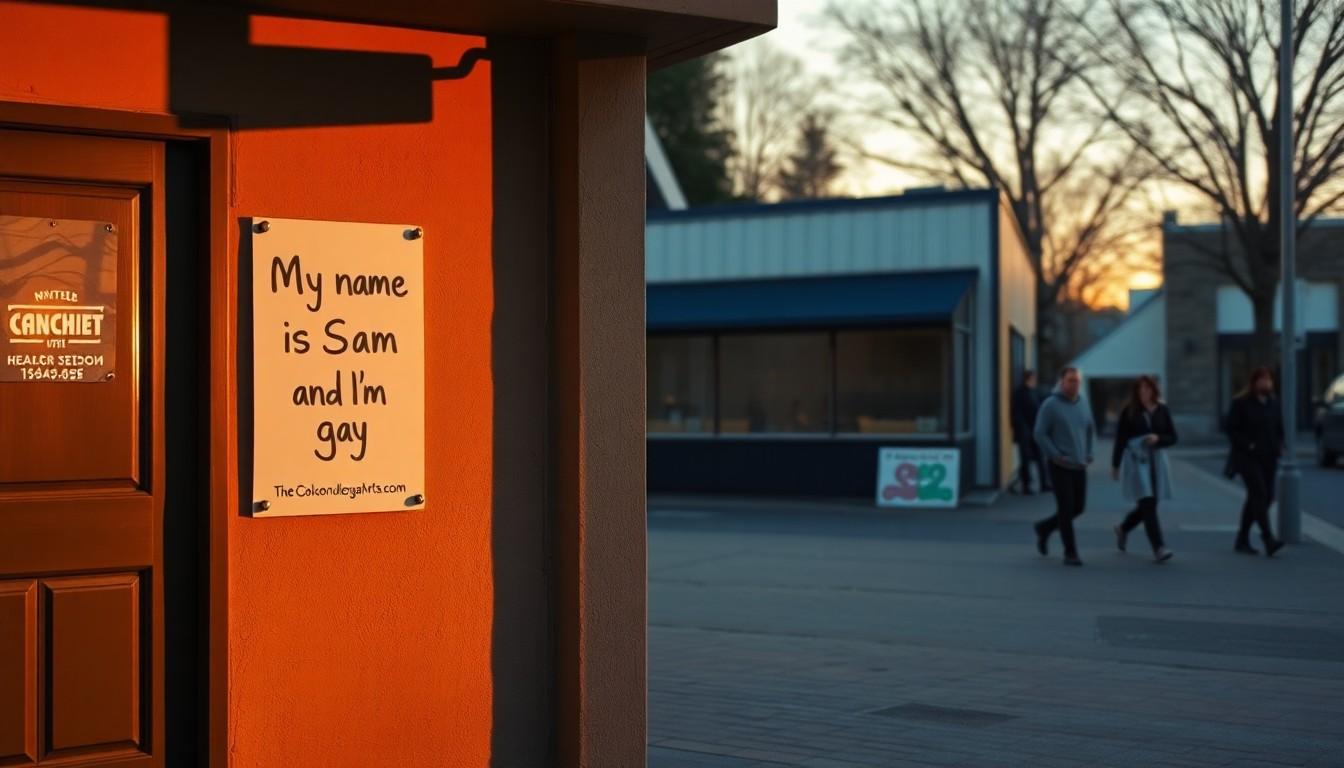
Viewers are responding to West Yorkshire filmmaker Sam Teale’s powerful coming-out short film, which turns years of bullying, fear and self-doubt into an honest message of hope. Shared online before a family celebration, the film shows why personal storytelling still matters when someone is finally ready to be seen.
Essential Takeaways
- A deeply personal film: Teale explores growing up gay, bullying and the pressure to hide his identity.
- Success didn't silence fear: Building a career and winning awards still didn't make coming out feel easy.
- A message of reassurance: The film's younger and older selves meet in an emotional exchange about whether life improves.
- A public milestone: Teale later showed the film to loved ones at his 24th birthday gathering.
- Why it resonates: Its quiet, vulnerable approach makes the story feel intimate rather than staged.
A coming-out film built from real fear
The strongest moment in Sam Teale's coming-out short film isn't a grand announcement. It's the visible weight of everything that came before it: school bullying, shame, religious guilt and the exhausting effort of appearing fine.
In the film, the young filmmaker looks back on a childhood shaped by the belief that being attracted to men was something to overcome. According to Attitude, Teale describes trying to pray away his sexuality and hoping life would eventually make him feel acceptable.
That honesty gives the project its emotional pull. It isn't simply a declaration of identity; it's a record of the long, quiet process of reaching it.
Why career success couldn't make the words easier
Teale had already built an impressive professional life through his production company, international travel and award recognition. Yet, as he explains in the film, achievement couldn't remove the fear attached to saying he was gay.
That's a familiar contradiction for many people. Outward success can look like confidence, while privately someone may still be measuring every conversation for the risk of rejection. The polished world of filmmaking makes that contrast especially striking, because Teale uses his creative skills to reveal the part of himself he had kept off-camera.
According to coverage of the project, he believed becoming successful might make him feel worthy. Instead, the short film shows that acceptance had to come from somewhere more personal.
A conversation with his younger self
One of the film's most affecting ideas is the exchange between Teale as an adult and the frightened teenager he once was. The question is simple: will life always feel this way?
The answer is gentle rather than sugary. Things take time, but they can get better. That restraint matters, because the film doesn't pretend that coming out instantly erases old wounds or guarantees an uncomplicated future.
This kind of visual storytelling has a long history in LGBTQ+ cinema, from intimate personal dramas to short films built around a single revelation. The difference here is that Teale isn't playing a character. He's using the language of film to speak directly to the younger version of himself.
The family reveal made the film even more personal
After sharing the short online, Teale reportedly showed it to family and friends during a celebration for his 24th birthday. The film therefore became more than a social media post. It was also the way he told the people closest to him.
That choice carries a particular kind of vulnerability. A camera can be paused, edited and carefully framed, but showing the finished film to loved ones means surrendering control over the immediate reaction. The quiet tension behind that moment is easy to understand, even for viewers whose own experiences are very different.
The response online also helped the story travel further, with the film approaching 100,000 Instagram views. As industry and film databases show, short films can reach audiences well beyond traditional cinema when a clear emotional idea meets the right platform.
Why honest LGBTQ+ stories still matter
Teale's film lands because it avoids turning coming out into a neat, triumphant performance. Instead, it allows room for fear, embarrassment, hope and the awkward reality of telling people something you've carried alone.
That balance is important. For someone watching while still questioning their identity, a story that says "it gets better" can feel meaningful, but a story that admits how difficult the road can be may feel more believable.
There’s also something quietly generous about making private pain public in a thoughtful way. Teale has transformed a personal milestone into a piece of reassurance for others who may still be waiting for their own moment.
Coming out isn't one script or one perfect scene, but Teale's film shows the power of telling the truth in your own voice.
Source Reference Map
Story idea inspired by: [1]
Sources by paragraph:
- Paragraph 1: [2], [3]
- Paragraph 2: [4], [5]
- Paragraph 3: [6], [7]
- Paragraph 4: [3], [4]
- Paragraph 5: [5], [6]
- Paragraph 6: [2], [3]
- Paragraph 7: [4], [7]
- Paragraph 8: [3], [5]
- Paragraph 9: [2], [4]
- Paragraph 10: [5], [6]
- Paragraph 11: [3], [7]
- Paragraph 12: [2], [4]
- Paragraph 13: [5], [6]
- Paragraph 14: [3], [7]
- Paragraph 15: [2], [4]
- Paragraph 16: [5], [6]
- Paragraph 17: [3], [7]
- Paragraph 18: [2], [4]