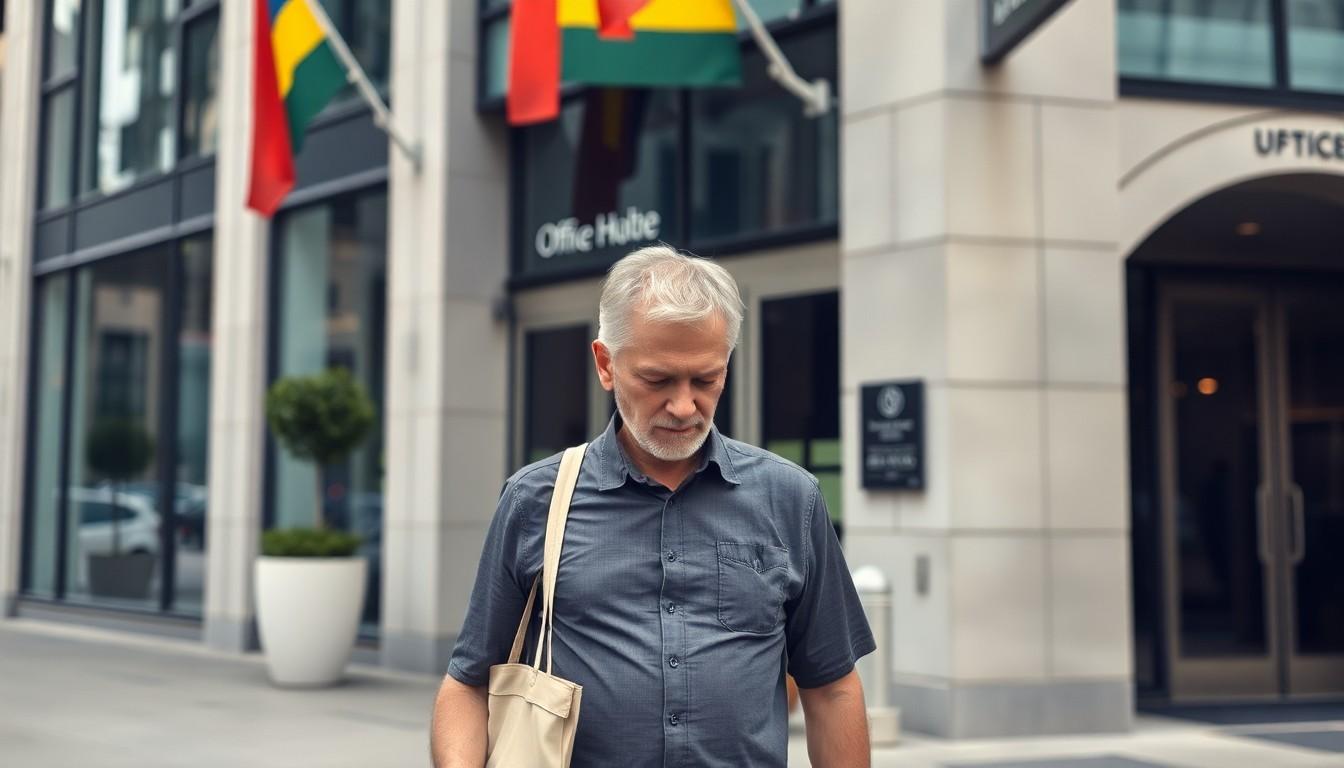
Gay men over 40 are rethinking what it means to be visible, choosing honest self-expression without surrendering every private detail. From mentioning a partner at work to building a rich life away from social media, this quieter approach matters because confidence, safety and dignity can look different at every age.
Essential Takeaways
- Visibility has many forms: A casual mention of a partner can be as meaningful as a public celebration.
- Privacy isn't shame: Choosing not to share intimate details can reflect confidence and healthy boundaries.
- Age brings perspective: Many men become less concerned with proving their identity or winning approval.
- Community still matters: Older LGBT+ adults can face loneliness and social disconnection, making authentic connection important.
- There is no single template: Outgoing, discreet and highly expressive lives can all be valid.
Being openly gay doesn't mean sharing everything
The strongest point is also the simplest: being visible and being exhibitionistic aren't the same thing. A man can speak naturally about his boyfriend, display a photograph at home or attend a Pride event without turning his private life into public property.
That distinction feels especially relevant in an era when social platforms reward constant disclosure. According to research indexed by PubMed, identity, ageing and social relationships intersect in complex ways, rather than following one universal pattern. Some people feel energised by openness, while others feel more like themselves with a smaller circle and firmer limits.
For gay men over 40, that can be a welcome shift. Coming out may once have involved fear, calculation or careful decisions about who could be trusted. Later in life, visibility can become less about making an announcement and more about no longer editing ordinary conversation.
Why privacy can be a sign of confidence
There’s a world of difference between hiding and choosing what remains personal. Shame says, “I hope nobody finds out.” Privacy says, “This is part of my life, but I decide who gets to know about it.”
That boundary is easy to lose when social media turns relationships, holidays and even difficult moments into content. Yet wider ageing guidance consistently treats social connection as important while also recognising that people need autonomy over their lives. The National Academies’ work on social isolation and loneliness, for instance, underlines the value of meaningful relationships, not indiscriminate exposure.
A private man isn't necessarily withdrawn, and a public man isn't automatically more secure. Sometimes confidence is simply the ability to answer honestly without feeling obliged to provide a full biography.
Ageing can change the pressure to perform
At 20, many gay men are still working out where they fit, whether they're desirable and how much acceptance they can expect. By 40, 50 or 60, those questions may not disappear, but they often lose their grip. Careers, friendships, family responsibilities, homes, interests and hard-won memories take up more room.
Research on older gay men has highlighted how loneliness, social dislocation and feeling unseen can shape later life, particularly for men who are single or living alone. Cambridge research suggests that sexual identity and social context can affect how invisibility is experienced. That makes genuine visibility valuable, but it doesn't mean every man needs to become highly performative.
A quiet life can still be a full one. The older man having dinner with his partner, the single man with a close friendship group and the man who casually refers to his boyfriend at work are all making themselves known in ways that feel natural.
Finding the right level of visibility
So, how can gay men over 40 decide what to share? Start with comfort rather than expectation. If mentioning a partner feels ordinary and safe, do it. If discussing sex, dating history or family matters feels too intimate, those subjects can stay off the table.
It also helps to separate audience from identity. A colleague might need to know that you're married, but not the details of your relationship. A close friend may hear more. A public profile may show a holiday photograph, while private conversations hold the emotional story behind it.
Research into ageing gay men also points towards the importance of support, belonging and self-acceptance. In practical terms, that means privacy shouldn't become isolation. Keep the boundaries that protect you, but make space for trusted people who know the real you.
Visibility needs room for different lives
There’s no prize for being the loudest person in the room, just as there’s no virtue in disappearing completely. Some men love Pride, nightlife and social media. Others prefer a quiet meal, a small group of friends or a life that rarely appears online. Neither approach is a test of authenticity.
The better question is whether the choice feels freely made. If someone is silent because of fear, support may help. If someone is discreet because they value intimacy, that deserves equal respect. As research and public-health guidance repeatedly suggest, wellbeing depends on connection and agency, not on forcing everyone into the same social mould.
Mature visibility may therefore look less like a performance and more like ease. You can be proud, honest and private at the same time. For many men, that combination is not a retreat from identity but a sign that identity has finally become their own.
Choose the level of openness that feels honest, safe and genuinely yours.
Source Reference Map
Story idea inspired by: [1]
Sources by paragraph:
- Paragraph 1: [2], [3]
- Paragraph 2: [4], [7]
- Paragraph 3: [5], [6]
- Paragraph 4: [2], [4]
- Paragraph 5: [6], [7]
- Paragraph 6: [3], [5]
- Paragraph 7: [4], [7]
- Paragraph 8: [2], [6]
- Paragraph 9: [3], [5]
- Paragraph 10: [4], [7]
- Paragraph 11: [2], [3]
- Paragraph 12: [5], [6]
- Paragraph 13: [4], [7]
- Paragraph 14: [2], [5]
- Paragraph 15: [3], [6]
- Paragraph 16: [4], [7]