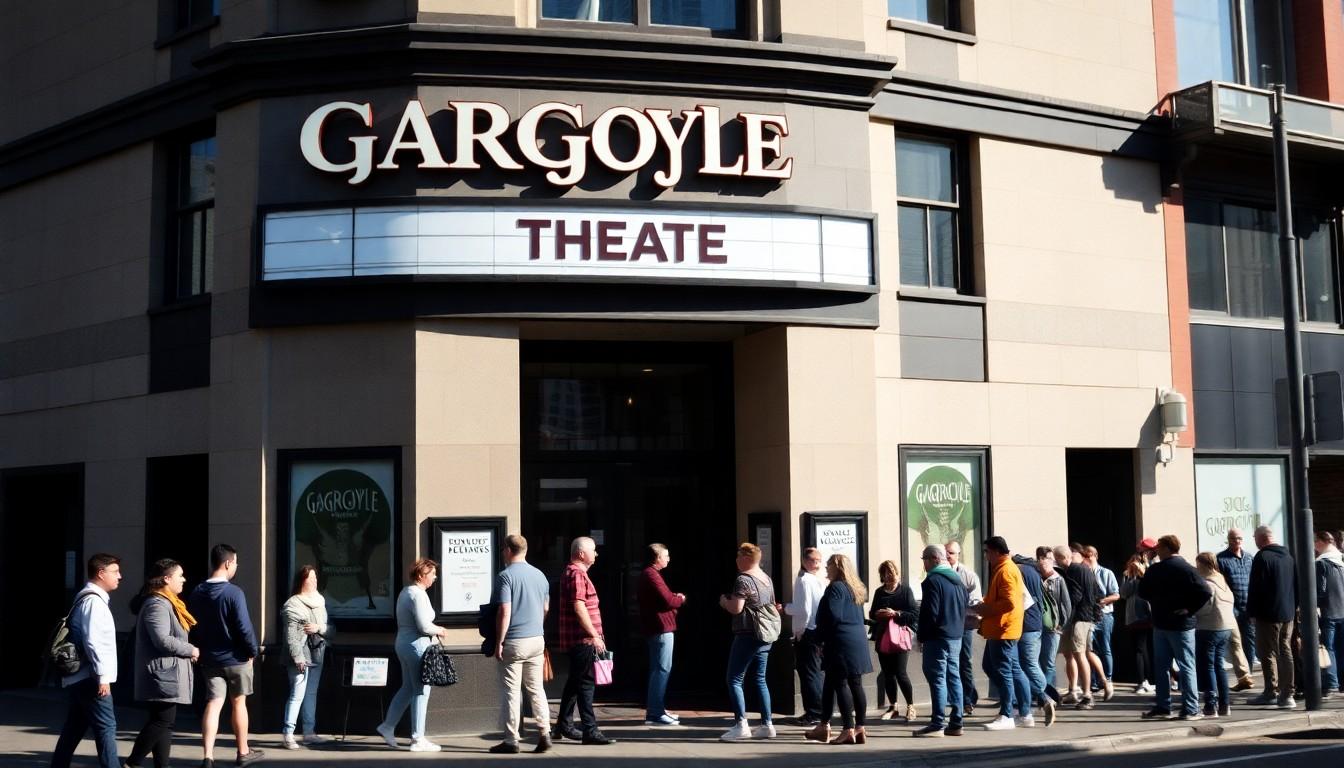
Audiences in Winnipeg are being invited to see queer history, romance and resilience onstage as Past, Present, Future arrives at the Gargoyle Theatre. The four-day festival pairs a new play about 1970s activism with a tender local love story, offering a timely, intimate look at where LGBTTQ+ communities have been and where they might go next.
Essential Takeaways
- Two plays, one evening: Each performance opens with Dancing With the Past, followed by A Work in Progress.
- A national journey begins: Dancing With the Past launches a touring production that will travel across Canada.
- History meets the present: The programme explores police repression, queer activism and the need to preserve community memory.
- Tickets are accessible: Admission ranges from $25 to $40 through the Gargoyle Theatre.
- Small cast, big themes: The touring show has been designed to fit into a suitcase, giving it a nimble, personal feel.
Winnipeg puts queer stories centre stage
There’s something powerful about watching a national story unfold in a small theatre. At the Gargoyle, two scene partners are bringing queer history and lived experience close enough to feel almost conversational, with the stage carrying both political weight and the soft awkwardness of old love.
Past, Present, Future begins with the Winnipeg premiere of Lawrence Aronovitch’s Dancing With the Past, directed by Chase Winnicky and starring Jeff Rivet and Ro Rogalski. It’s followed by Ethan Stark’s A Work in Progress, a reunion story about two former best friends whose relationship has shifted from childhood closeness to first love and near-strangers. The festival listing confirms the double bill’s format and schedule. [3]
That combination gives the evening a pleasing balance. One play looks outward, towards national history and public protest, while the other turns inward, towards memory, intimacy and the emotional aftershocks of growing up.
A suitcase-sized production carries a large history
Dancing With the Past is set during a turbulent period in Canadian queer history, when discrimination was embedded in law and queer gathering places faced intense police scrutiny. Its backdrop includes the 1971 We Demand protests and the crackdown on Montreal bathhouses ahead of the 1976 Olympic Games.
The production is launching a nationwide Inspire tour through International Day of Pink, with performances planned in Alberta, British Columbia, Nova Scotia, Prince Edward Island, Ontario and Quebec. According to the event information, the Winnipeg presentation is the starting point for that wider journey. [3]
Winnicky has described the practical challenge of making the production fit into a suitcase. That detail is more than a charming touring anecdote. It suggests a deliberately portable piece of theatre, one that can move into different communities without losing its closeness or urgency.
Why queer history still feels immediate
The play’s historical setting may be decades away, but its questions are firmly contemporary. Who gets to tell a community’s story? What happens when public institutions try to erase difficult memories? And how can younger audiences understand the freedoms they inherited without assuming they arrived automatically?
Lawrence Aronovitch’s work has often engaged with history, politics and social change, making Dancing With the Past a natural fit for a festival built around queer memory and possibility. His career background is documented in biographical material about the playwright. [4]
For the creative team, the production also offers a chance to reach people who may feel isolated, particularly queer and questioning young people. Theatre can make history feel less like a chapter in a textbook and more like a conversation with someone who survived it.
A second play adds warmth and emotional contrast
After the historical drama comes A Work in Progress, which shifts the mood from public struggle to personal uncertainty. Its central relationship is built around two women who were once childhood best friends, then first loves, before drifting apart.
That structure should give the festival a welcome emotional change of pace. There’s room for political anger in one half of the evening, then tenderness, regret and perhaps a little uncomfortable recognition in the next. The programme’s description presents the play as an intimate romance rather than a broad political statement. [3]
The pairing also reflects how queer lives are experienced in practice. Liberation isn’t only found in protests and legislation. It can appear in a reunion, a difficult conversation or the simple relief of seeing a relationship that resembles your own.
What audiences can expect from the festival
Performances begin at the Gargoyle Theatre on Wednesday at 7.30pm and continue across the four-day event. Tickets cost between $25 and $40, with booking available through the theatre’s website. The original event report confirms the venue, pricing and running order. [2]
The evening looks suited to audiences who enjoy theatre with a strong sense of place, but it should also appeal to anyone curious about Canadian queer history. Expect a compact production, two contrasting plays and plenty to discuss afterwards, especially if you’re attending with friends or younger family members.
As the touring production moves across the country, its most lasting effect may be its personal one. A story that starts in Winnipeg can travel widely, but it still begins with actors, audiences and a room willing to listen.
Past, Present, Future offers a thoughtful reminder that queer history belongs onstage, in classrooms and in everyday conversation.
Source Reference Map
Story idea inspired by: [1]
Sources by paragraph: