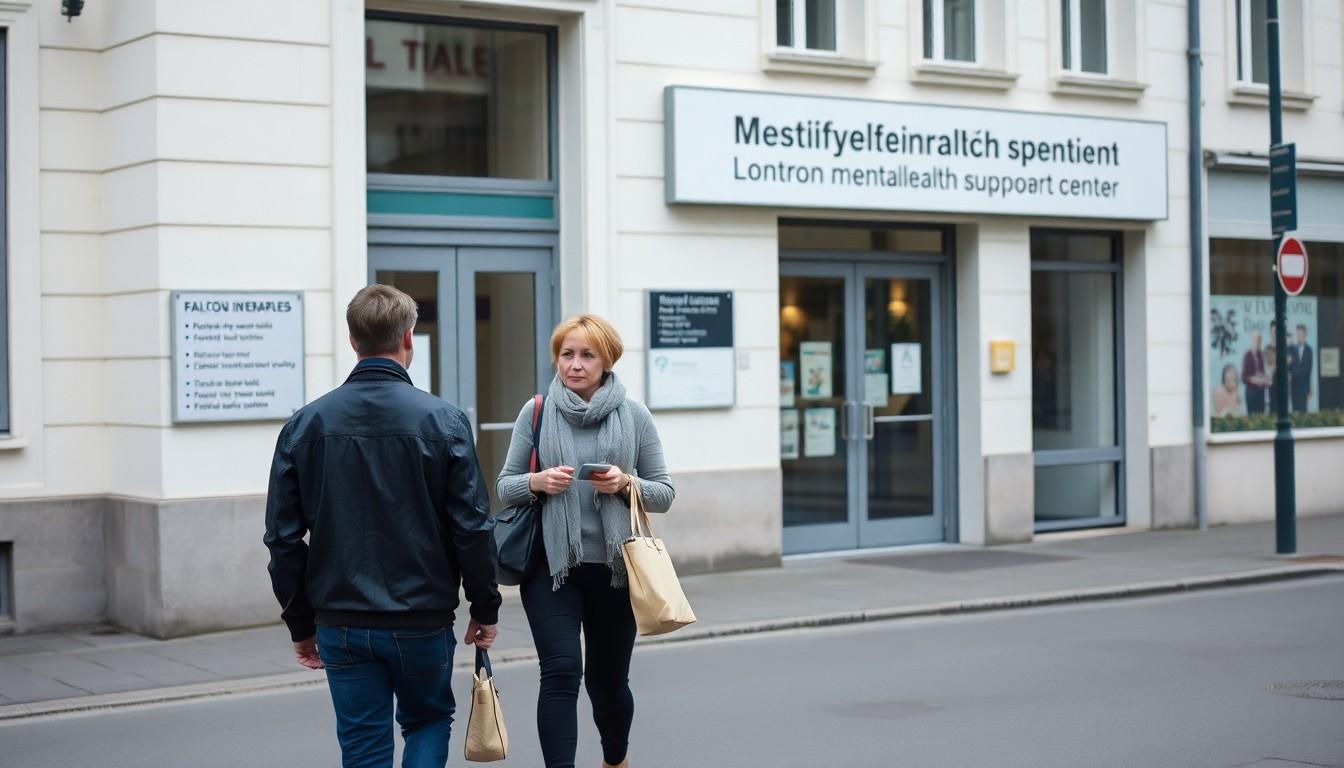
LGBTQI+ people in Vienna are reporting heavier psychological pressure as discrimination, online hostility and political backlash grow. Health experts and community organisations say accessible, affirming support matters more than ever, particularly for young people, trans individuals and those living outside major cities.
Essential Takeaways
- Discrimination is rising: Reported hostility in public spaces has increased over the past decade.
- Mental health is affected: LGBTQI+ people face a substantially higher risk of depression than heterosexual people.
- Young people need early support: Many remain closeted or describe negative experiences around coming out.
- Trans people are especially exposed: They’re frequently among those facing the greatest pressure and hostility.
- Rural access remains uneven: Specialist, LGBTQI+-aware services are easier to find in cities than outside them.
A more hostile public climate is taking its toll
The sharpest warning from Vienna is also the simplest: being visibly queer in public can feel less safe than it did a decade ago. According to reporting by Der Standard, the share of LGBTQI+ people who said they regularly faced discrimination in public rose from 28 per cent in 2015 to 38 per cent ten years later. For someone walking down a street holding their partner's hand, that shift isn't an abstract statistic. It's the difference between feeling ordinary and scanning the pavement for danger.
Austria's health reporting has repeatedly linked poorer wellbeing among LGBTQI+ people with discrimination, exclusion and social stress. The Austrian Trade Union Federation has described this as illness shaped by unequal treatment, rather than by sexual orientation or gender identity themselves. That's an important distinction, because it places responsibility on hostile environments, not on the people forced to navigate them.
Why coming out can still feel like a risk
Coming out is often presented as a single brave conversation, but real life is messier. It can involve family, classrooms, workplaces, healthcare appointments and public spaces, with each setting carrying a different level of risk. Der Standard reported that a significant minority of queer pupils, students and apprentices remain unout, while others have experienced explicitly negative reactions.
Public-health information from Austria points to similar pressures, including higher levels of psychological distress and barriers to care. The worry isn't simply whether somebody will be accepted. It's whether disclosure could affect their housing, education, employment or safety. No wonder many people keep part of themselves carefully tucked away, like a note they aren't ready to hand over.
The mental health gap is about more than individual resilience
The figures are stark. Vienna's psychiatric services cited research indicating that LGBTQI+ people are around two and a half times more likely to experience depression than people in the heterosexual majority. Meanwhile, Austria's national LGBTQI+ health reporting has found poorer overall health outcomes across several areas, including mental wellbeing.
That doesn't mean every LGBTQI+ person is unwell, nor that identity itself causes depression. Rather, repeated rejection, harassment, violence and isolation can build into what psychologists often call minority stress. The effect is cumulative: one unpleasant encounter may fade, but years of bracing for the next one can leave a lasting mark.
Online abuse can quickly become real-world danger
The internet has made it easier to find community, advice and solidarity, but it can also accelerate harassment. Austrian reporting has highlighted violent networks that target gay men through false accusations and deceptive meeting arrangements. Community representatives have called for stronger action against online spaces that enable intimidation and attacks.
The warning is relevant well beyond Austria. Research published in a peer-reviewed medical database has continued to examine how discrimination and social hostility affect LGBTQI+ health, reinforcing the link between hostile environments and psychological harm. For anyone targeted online, practical precautions matter: avoid sharing a home address, tell a trusted person where you're going and consider reporting threats rather than handling them alone.
Support must reach beyond capital cities
Vienna has established services and trained professionals who can offer referrals, but that doesn't mean the rest of the country has equal access. Der Standard reported concerns that smaller towns and rural areas often lack clearly identifiable LGBTQI+-friendly support. Distance, limited public transport and fear of being recognised can make an appointment feel like a major expedition.
National health guidance and community organisations point towards a more useful model: services don't always need to be dedicated queer clinics, but staff should understand LGBTQI+ lives, use respectful language and know where to refer people. For anyone looking for help, it's worth asking directly whether a service has experience supporting LGBTQI+ clients. A good provider won't treat that question as awkward.
What better support should look like
The most effective response combines prevention with easy access to help. Schools and workplaces need clear anti-discrimination policies, healthcare workers need practical training, and online platforms need to respond to threats before they spill into physical harm. Community groups also provide something formal systems can't always offer: the reassuring feeling that you won't have to explain your existence from scratch.
Irish LGBTQI+ resources show how peer networks, information services and mental health support can work together, while Austrian health reporting underlines the need for better data and consistent provision. The direction of travel will depend on whether governments treat queer mental health as a permanent public-health responsibility rather than a seasonal talking point.
People should be able to seek help without first proving that their distress is serious enough. Sometimes a quiet, welcoming first contact is what keeps a difficult week from becoming a crisis.
It's a small but vital step towards making support feel safe, local and genuinely accessible.
Source Reference Map
Story idea inspired by: [1]
Sources by paragraph:
- Paragraph 1: [2], [7]
- Paragraph 2: [3], [4]
- Paragraph 3: [1], [4]
- Paragraph 4: [2], [3]
- Paragraph 5: [1], [6]
- Paragraph 6: [1], [7]
- Paragraph 7: [4], [6]
- Paragraph 8: [1], [4]
- Paragraph 9: [5], [6]
- Paragraph 10: [2], [4]
- Paragraph 11: [5], [7]
- Paragraph 12: [3], [4]
- Paragraph 13: [2], [5]
- Paragraph 14: [4], [6]