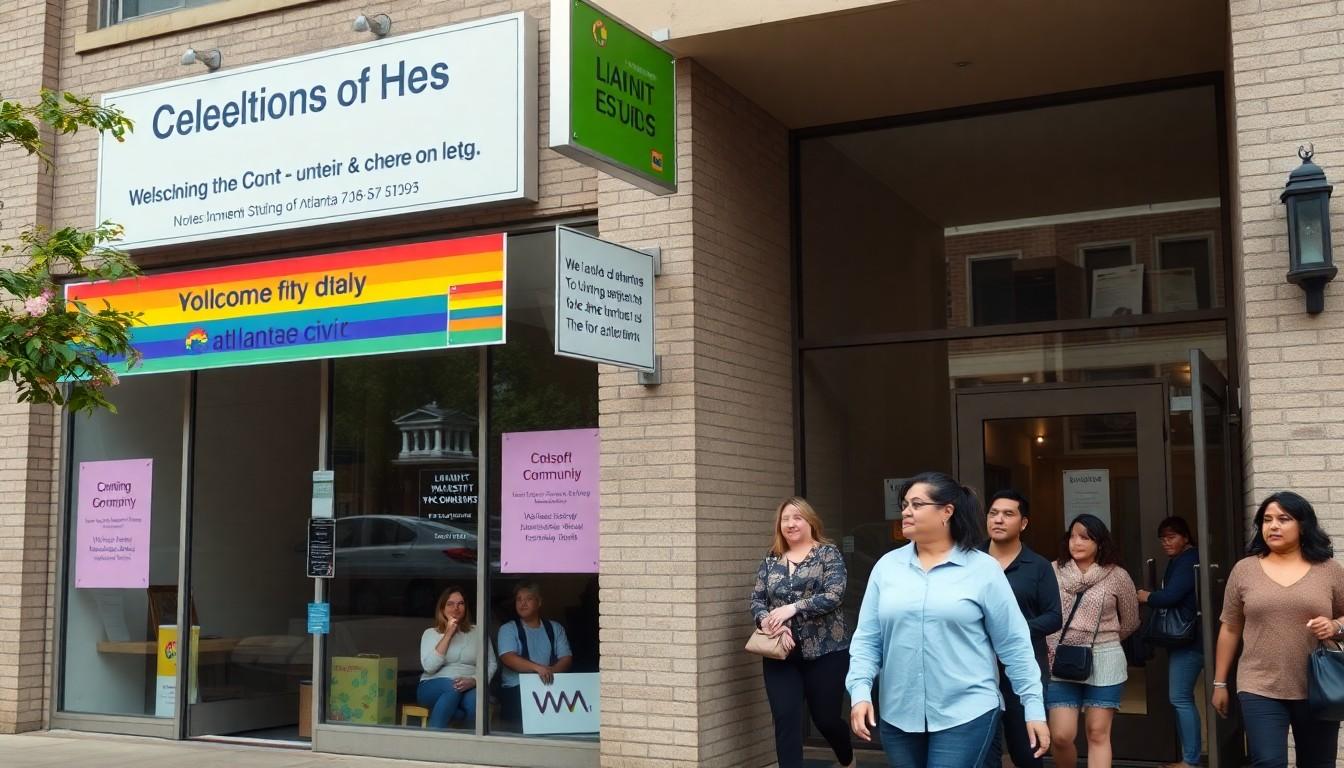
Shoppers, visitors and local residents are looking beyond Atlanta Pride weekend to support LGBTQ+ organisations doing practical work across Georgia. From HIV care and housing to legal advocacy, community safety and queer arts, these groups show why donating locally can help turn celebration into lasting support.
Essential Takeaways
- Support stretches beyond the parade: Atlanta's LGBTQ+ organisations work on health, housing, legal rights, safety and culture throughout the year.
- Small donations can meet practical needs: Services include HIV screening, PrEP, pet care, food support, translation help and gender-affirming resources.
- Local expertise matters: Georgia-based groups understand the specific challenges facing LGBTQ+ communities across the state.
- There are many ways to help: You can donate, volunteer, attend events or share trusted information.
- Choose a cause that fits: Whether your priority is healthcare, civil rights, housing or the arts, there's a focused organisation to support.
Pride is more than one weekend in the park
Atlanta Pride brings colour, music and plenty of joyful noise to the city, but the most meaningful work often happens quietly after the bunting comes down. Local organisations provide services that help people stay healthy, housed, represented and connected when the headlines have moved on.
A donation to Atlanta Pride helps sustain one of the country's largest free Pride celebrations, while AID Atlanta offers HIV medical care, screening, PrEP, prevention programmes and case management. Those are very different roles, but together they show the breadth of support needed by LGBTQ+ communities. According to AID Atlanta, its work has been part of Atlanta's HIV response since 1982.
The appeal is straightforward: celebration creates visibility, while year-round support creates resilience. For donors, that means choosing where their money can make the clearest difference.
Health and wellbeing remain central
Healthcare is one of the most direct ways to support LGBTQ+ Georgians. AID Atlanta's services cover testing, treatment and prevention, while Latino LinQ helps Latinx and LGBTQ+ community members navigate health services, including interpretation and translation needs.
Latino Community Fund Georgia combines direct support with grantmaking for Latinx leaders and organisations. Its work reaches tens of thousands of people each year, making it a useful choice for anyone who wants their contribution to strengthen both individuals and grassroots groups.
PALS Atlanta takes a wonderfully practical approach to wellbeing, helping people living with serious illness, disabilities, older residents and veterans care for their pets. Food, vaccinations and basic veterinary support might sound modest, but keeping a beloved animal safe can be an enormous emotional lifeline.
Housing and safety need long-term backing
For many trans people, safety starts with a secure place to live. The Trans Housing Coalition uses a housing-first, person-centred model to help trans people experiencing homelessness move into permanent, affirming homes. It's the sort of work that rarely produces a flashy photograph, yet it can change the direction of someone's life.
Solutions Not Punishment Collaborative, known as SnapCo., focuses on safety and political power for Black and brown trans people. Its fundraising for Providential Paradise, a planned permanent site in South Fulton, points to a bigger ambition: creating lasting infrastructure rather than relying only on short-term responses.
Poder Unides adds another layer, supporting healing, leadership and community engagement while providing gender-affirming clothing and resources for incarcerated trans people. The common thread is dignity, delivered in practical forms.
Advocacy protects progress between elections
Rights can feel abstract until someone needs a lawyer, a policy change or clear information about their protections. Georgia Equality works on legislation, voter registration, civic education and the election of LGBTQ+-inclusive representatives, giving supporters a way to back sustained political organising in the state.
Lambda Legal takes that work to the national level through impact litigation, education and public policy. Its current caseload includes dozens of active cases involving LGBTQ+ civil rights, a reminder that legal protections are continually tested and defended.
Gender Liberation Movement approaches the challenge through direct action, culture and leadership development. It brings together organisers, creatives and community members, with an emphasis on building power across generations. For donors, that offers a route into the movement beyond traditional campaign politics.
Queer culture deserves a place at the table
Pride is also an artistic statement. Music, performance and storytelling can make people feel seen in a way that a policy document, however important, sometimes can't.
Voices of Note, the parent organisation of the Atlanta Gay Men's Chorus and Atlanta Women's Chorus, supports one of the Southeast's largest community music organisations. With more than 260 singers, staff and board members, it gives queer artists a platform while inviting wider audiences into the conversation.
ZAMI NOBLA focuses on Black lesbians aged 40 and over, supporting health, wellness, housing and food justice, education and community-led research. Its work highlights an important point: LGBTQ+ communities aren't single-issue or one-size-fits-all. Effective giving should recognise the different experiences within the wider movement.
How to choose where your donation goes
Start with the issue that feels most urgent to you, then check whether the organisation's work matches that priority. A health-focused donor might choose AID Atlanta or Latino LinQ, while someone concerned about housing could look to the Trans Housing Coalition or support SnapCo.'s long-term plans.
It's also worth considering how immediate or structural you want your contribution to be. Direct services can meet needs today, whereas advocacy, legal work and movement building aim to change the conditions creating those needs. Both matter, and a smaller recurring donation can be easier for an organisation to plan around than a one-off gift.
Before giving, use the organisation's official website, read its latest updates and look for clear information about its programmes. And if money is tight, sharing a trusted appeal, volunteering or attending a fundraiser still helps. Pride is at its strongest when support feels active, local and sustained.
A colourful weekend is powerful, but year-round solidarity is what keeps the work moving.
Source Reference Map
Story idea inspired by: [1]
Sources by paragraph: