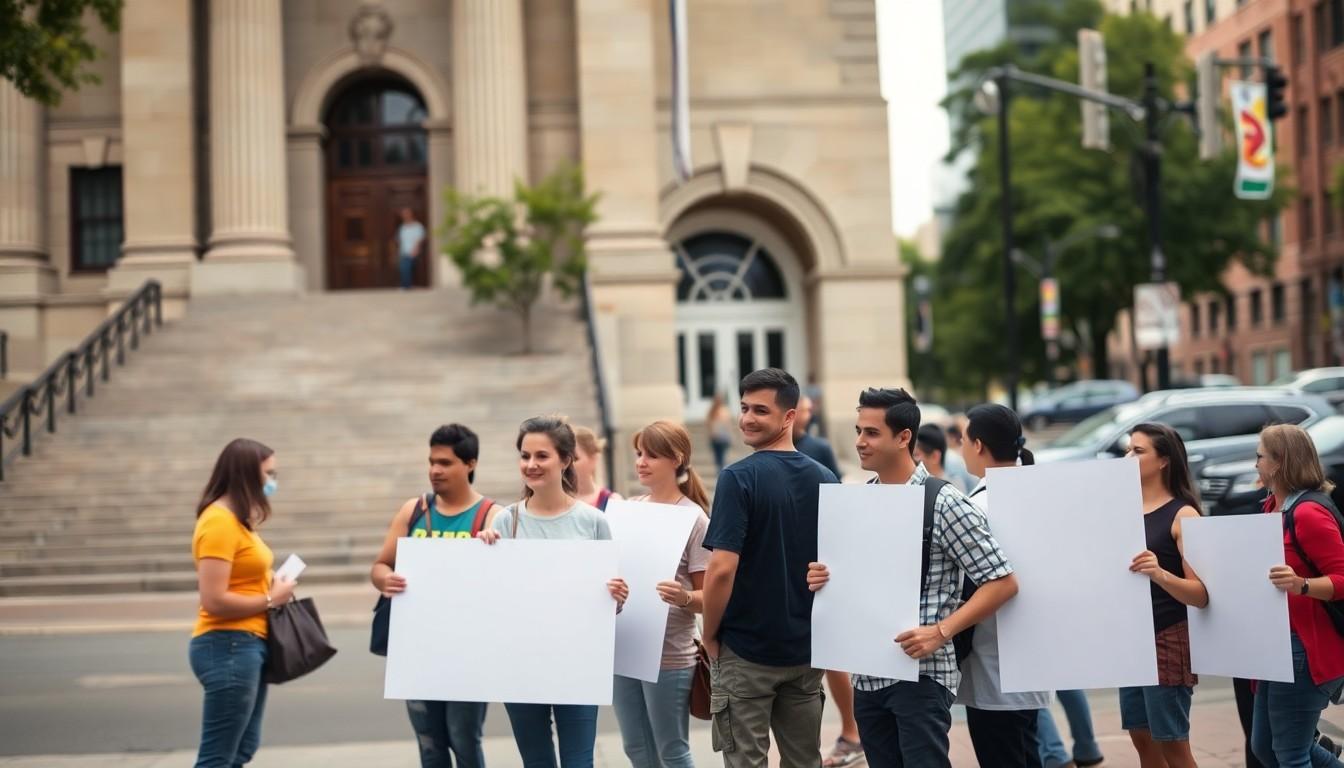
Visitors gathering for Atlanta Pride can expect far more than a colourful parade. The event carries decades of protest, celebration and community-building, linking today’s marchers with the activists who challenged discrimination in the 1970s. That history matters now, as LGBTQ+ rights remain a lively political battleground across the United States.
Atlanta Pride is celebration with a memory
The parade’s bright floats, music and flying freebies make it feel wonderfully easy-going. Yet beneath the glitter is a history of people who marched when public support was harder to find and hostility was much more visible.
Atlanta’s Pride tradition grew from a period when LGBTQ+ organisers were building political confidence and public presence. Historical records from the Georgia Encyclopedia document the Atlanta Gay Rights Alliance as part of that early organising story, offering a useful reminder that community visibility didn’t happen by accident. [2]
For many attendees, especially younger people, a first Pride can feel like an unexpected doorway into that past. The atmosphere is joyful, but it also says something serious: being openly present in public remains a form of power.
The 1970s gave Atlanta’s movement fresh momentum
Atlanta’s early Pride marches unfolded alongside a wider national push for equality. The late 1970s brought important advances in local rights protections, political representation and public recognition, even as activists faced fierce opposition.
The Atlanta Gay Rights Alliance helped make queer life more visible in Georgia’s public record. Its story sits within a broader pattern of organising, campaigning and community resistance that shaped the modern LGBTQ+ movement. [3]
That period was hardly comfortable. Activists had to argue for basic dignity while opponents framed equality as a threat to public morality. Looking back, the language has changed more than the tactic: fear still gets used when politicians want an easy target.
Why Pride history still feels surprisingly current
Today’s Pride celebrations arrive during another unsettled moment. Protections for LGBTQ+ people, particularly transgender Americans, have become the focus of legal disputes, political campaigns and debates over books and education.
That makes historical perspective more than a museum exercise. The Georgia Encyclopedia’s material on Atlanta’s gay-rights organising helps show how local groups created pressure for change before national institutions caught up. [4]
There’s also a practical lesson here. Rights can look permanent when they’re established, but they depend on people paying attention, turning up and defending them. A parade can be a party and a public statement at the same time.
How to experience Atlanta Pride with the past in mind
If you’re attending, leave room for both spectacle and reflection. Watch the parade, explore community stalls and listen to the groups taking part, particularly organisations doing year-round work rather than appearing only for one weekend.
It’s worth learning a little about Atlanta’s LGBTQ+ history before you arrive. The Atlanta Gay Rights Alliance’s place in the city’s story provides useful context for understanding why public marches, coalition-building and visible solidarity have mattered for so long. [5]
And don’t underestimate the small moments. A conversation with an older marcher, a first-time attendee finding their confidence or a community group explaining its work can make the day feel much bigger than a route through the city.
Pride’s next chapter depends on participation
The most powerful thread connecting early Atlanta activists with today’s marchers is participation. Organisers in the past built networks under pressure; current communities face their own challenges, from political backlash to unequal access to safety and support.
Historical documentation of the Atlanta Gay Rights Alliance shows how collective action helped turn private frustration into public demands. [6] That model remains relevant, whether the action is joining a march, volunteering, supporting local groups or voting with LGBTQ+ rights in mind.
Pride doesn’t need to be solemn to be meaningful. Sometimes joy is the message, especially when people who were once pushed out of public life take over the street with music, colour and unmistakable confidence.
Atlanta Pride is at its strongest when celebration remembers who made the celebration possible. [7]
Closing Line
Celebrate loudly, remember carefully and keep the movement moving.
Source Reference Map
Story idea inspired by: [1]
Sources by paragraph: