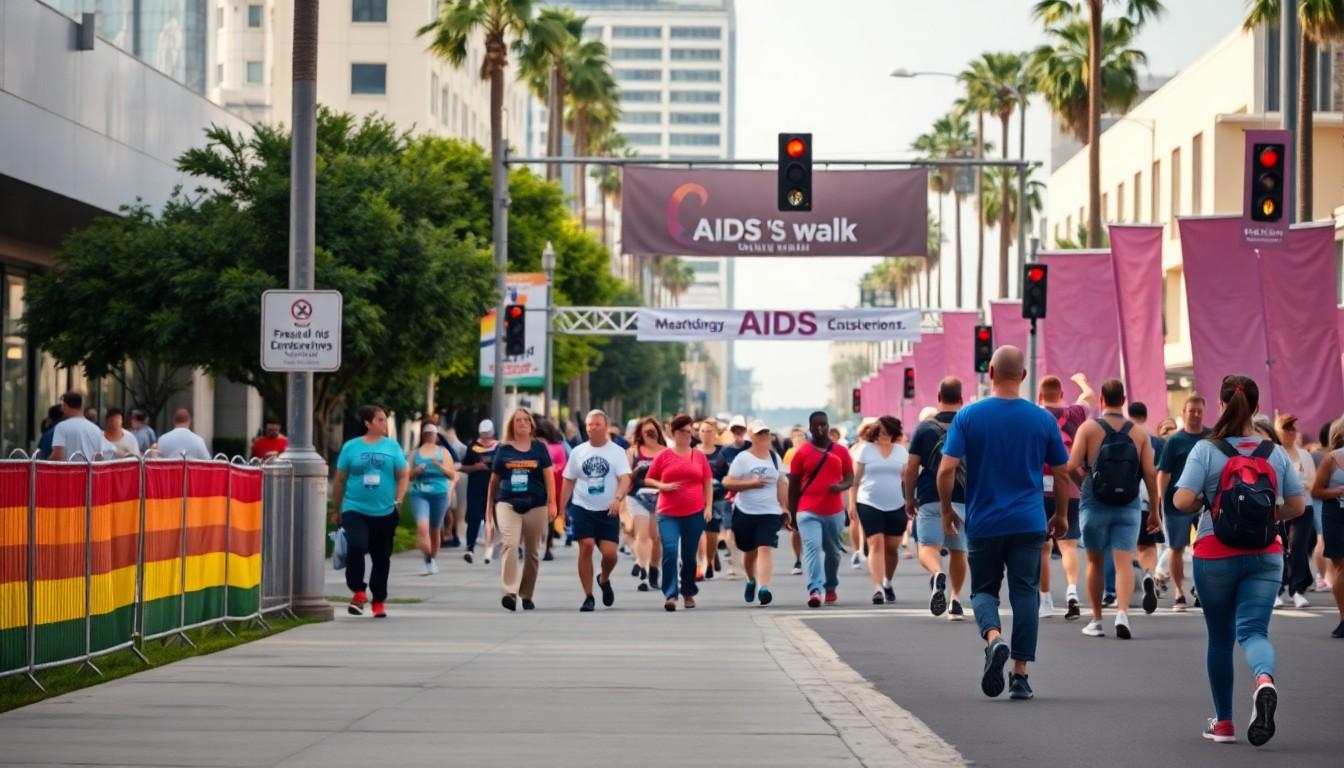
Aids Walk Los Angeles is preparing to return to West Hollywood for its 42nd year, bringing together thousands of supporters at a moment when HIV treatment has transformed lives but unequal access and stigma remain stubborn challenges. The 2026 event offers a chance to remember the past, celebrate progress and keep pressure on the work still ahead.
Essential Takeaways
- The 2026 walk: Aids Walk Los Angeles is scheduled for 18 October in West Hollywood.
- A long-running fundraiser: The event is returning for its 42nd year in support of HIV services and advocacy.
- Progress is real: Modern treatment can help people with HIV live long, healthy lives, while U=U has reshaped public understanding.
- The work isn't finished: Stigma, misinformation and unequal access to prevention and care continue to affect communities.
- More than a ceremony: Walking, fundraising or volunteering can help turn remembrance into practical support.
West Hollywood gets ready for a familiar show of solidarity
There’s something quietly powerful about a crowd gathering for a cause that has demanded attention for decades. On 18 October 2026, Aids Walk Los Angeles will return to West Hollywood, where participants are expected to walk, raise money and stand together in support of people affected by HIV. The event is organised by APLA Health and is entering its 42nd year, according to the Los Angeles Blade and event organisers. [2], [3]
The atmosphere is likely to mix determination with warmth. There’ll be team shirts, banners, familiar faces and plenty of conversation, but also the emotional weight of a health crisis that changed families, communities and public policy. For many supporters, the walk is both a fundraiser and a living link to the activists who refused to let HIV disappear from the political agenda. [4], [5]
Why the walk still matters in the age of effective treatment
HIV care has changed dramatically since the darkest years of the epidemic. With appropriate treatment, people living with HIV can expect long, healthy lives, and someone who maintains an undetectable viral load cannot sexually transmit HIV. That message, known as U=U, has offered enormous relief and freedom, although public understanding hasn't always kept pace with the science. [7]
It would be easy, then, to assume the crisis is over. It isn't. Access to testing, medication, prevention and ongoing care varies widely, while stigma can still make people hesitate before seeking help or disclosing their status. The walk keeps that gap visible, which is important when headlines move on but people still need support. [2], [3]
A 42-year tradition with a practical purpose
Aids Walk Los Angeles isn't simply a symbolic date in the calendar. Funds raised through the event help support services linked to HIV prevention, treatment, care and community wellbeing, making every sponsorship and donation part of a wider support network. APLA Health's event information encourages people to register, form teams and raise funds ahead of the walk. [3], [6]
That model also explains why the event has lasted so long. A single walk can't solve a global health challenge, but a dependable annual gathering can keep money, attention and political pressure moving in the right direction. It offers supporters an accessible way to help, whether they want to complete the route, organise a workplace team or make a smaller contribution from home. [4], [5]
The history behind the banners and bright colours
HIV/AIDS history is often reduced to statistics, but the lived reality was much more personal. It involved people losing partners, friends and family members, and communities organising care when institutions were slow to respond. The progress celebrated today came from years of protest, advocacy, research and mutual support. [2], [7]
That history matters especially for younger LGBTQ+ people who may have grown up with effective treatment rather than the fear that defined earlier decades. Aids Walk Los Angeles offers a way to honour those who came before while recognising that today's gains aren't automatic. They depend on continued investment, accurate information and a willingness to challenge discrimination. [4], [7]
How to take part in Aids Walk Los Angeles
Those planning to attend can register through the official Aids Walk Los Angeles or APLA Health channels, then decide whether to join an existing team or create their own. Fundraising can be as simple as sharing a personal page with friends, colleagues and family, although the most effective appeals usually explain why the cause matters to the individual. [3], [6]
If walking isn't practical, there are still useful ways to participate. Donating, volunteering, promoting U=U information or supporting local HIV organisations can all help. Check the official event details before travelling, particularly for registration requirements, route information, accessibility arrangements and any updates to the schedule. [4], [5]
Progress deserves applause, but complacency doesn't
The most encouraging part of the modern HIV story is that medical progress is real and life-changing. The most frustrating part is that science alone can't remove stigma or guarantee fair access. Events such as Aids Walk Los Angeles bring those two truths together in a way that feels tangible: celebrate how far we've come, then keep walking.
For anyone newly diagnosed, the message is especially important. HIV is a medical diagnosis, not a judgement on someone's character or future, and good care can open the door to a full life. Community support remains vital, because nobody should have to navigate the emotional or practical side of HIV alone. [2], [7]
It's a familiar walk, but the reason for showing up remains urgent.
Source Reference Map
Story idea inspired by: [1]
Sources by paragraph: