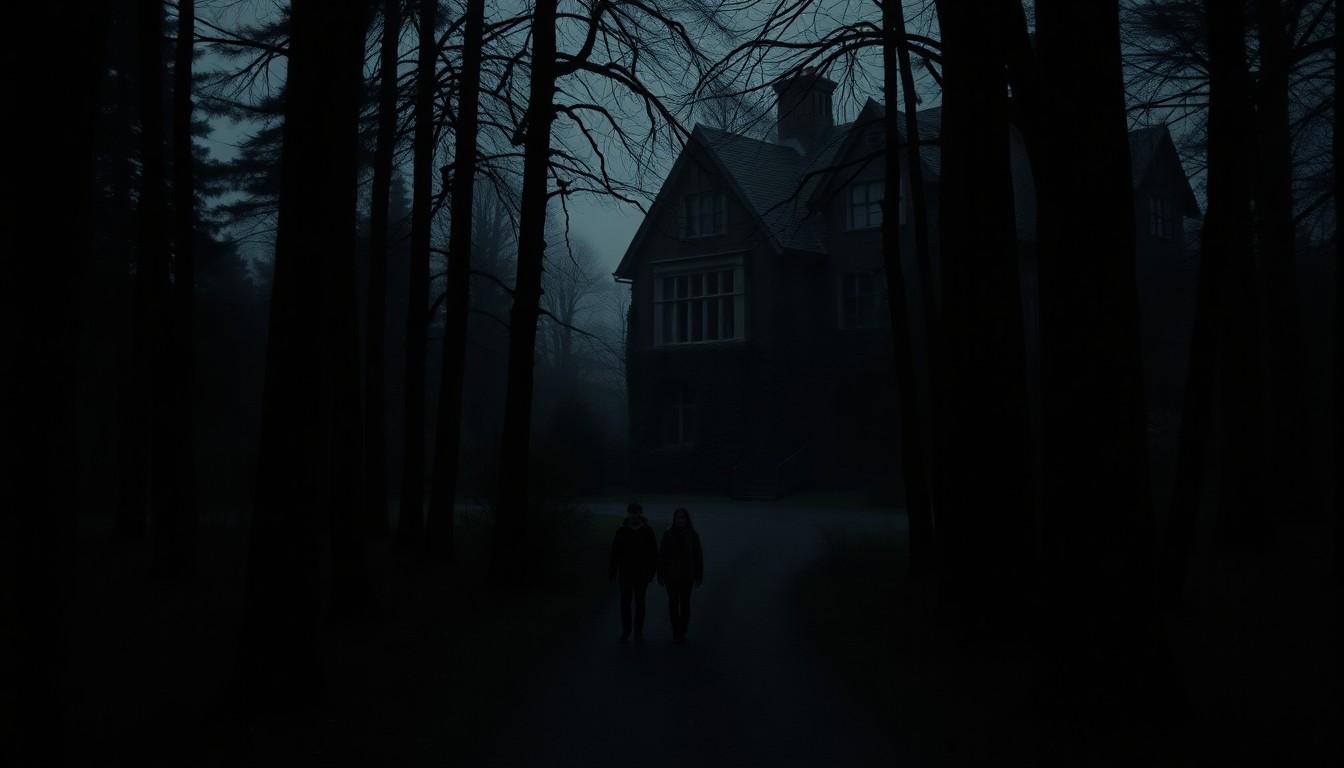
Fans are returning to the Twilight saga for its misty autumn atmosphere, dramatic romance and unexpectedly queer emotional charge. Kristen Stewart’s description of the franchise as “such a gay movie” has given longtime viewers a fresh way to understand its forbidden desire, outsider identity and charged supernatural world.
Essential Takeaways
- Kristen Stewart’s view: The actor has described Twilight as “such a gay movie”, linking its story to oppression and dangerous desire.
- Vampire tradition: Gothic bloodsuckers have long been used as metaphors for forbidden or queer desire.
- The Cullen difference: The family’s decision to reject vampire convention gives their story an outsider, found-family quality.
- Bella’s secret: Her struggle to explain Edward’s true identity can resemble the anxiety of coming out.
- Edward and Jacob: Their rivalry adds a simmering layer of homoerotic tension beneath the official love triangle.
Twilight’s autumn rewatch has a new meaning
There’s something almost comically perfect about watching Twilight when the weather turns cold. The forests are damp, the jumpers are oversized, and every conversation appears to take place beneath a sky permanently threatening rain. Add the soundtrack, the pale faces and the famously intense staring, and the saga becomes less a conventional teen romance than a gothic mood board with fangs.
That atmosphere is part of why the films keep returning to popular culture. According to Teen Vogue, Stewart’s comments encouraged fans to revisit the franchise through a queer lens, rather than treating its LGBTQ+ resonance as something invented by later internet fandom. The appeal isn’t simply nostalgia. It’s the recognition that outsiders have always found room inside stories that weren’t written straightforwardly for them.
For queer viewers, Twilight’s heightened emotions can feel familiar in a way that its Mormon romantic framework might not initially suggest. Everyone is hiding something, desire is treated as dangerous, and the central characters are constantly negotiating who they can trust. That’s a lot of emotional weather for one small Washington town.
Kristen Stewart put the subtext into words
Stewart’s observation landed because it gave a name to a reading many fans had already been carrying. In an interview discussed by Harper’s Bazaar, GamesRadar and Hollywood Life, she called Twilight “such a gay movie” and connected its themes with oppression and wanting something that could destroy you.
The remark also carries a particular cultural weight because Stewart has become an important queer public figure. Her perspective doesn’t turn the saga into an explicitly LGBTQ+ story, but it helps explain why its melodrama has travelled so effectively among queer audiences. Sometimes a text’s emotional truth matters as much as its stated plot.
The Los Angeles Times reported on the way queer fans have embraced this interpretation, particularly the franchise’s themes of secrecy, alienation and forbidden attraction. The films may insist on a supernatural straight romance, but their emotional language is much messier. Edward and Bella are not simply falling in love. They’re trying to exist while hiding the thing that makes them different.
Vampires have always carried queer symbolism
Twilight didn’t invent the idea of vampires as figures of forbidden desire. From Dracula onwards, the genre has used immortality, blood and nocturnal intimacy to explore attractions that society finds threatening or unacceptable. A vampire can be seductive, frightening and isolated all at once, which makes the creature wonderfully useful for stories about taboo.
That tradition helps explain the queer pull of the Cullen family. They’re not merely supernatural beings living in secret. They’re a group that has chosen to reject the behaviour expected of their kind, creating an alternative way of life that leaves them vulnerable to judgement. As Salon noted in its discussion of Stewart’s comments, the saga’s Gothic structure makes room for readings about repression, difference and self-denial.
The Cullens’ polished house, unusual family arrangement and careful public performance add to that feeling. They’re constantly passing as ordinary, while knowing they’re anything but. It’s hardly surprising that viewers who’ve experienced the pressure to conceal part of themselves might recognise something in that chilly, beautiful façade.
Bella’s secret feels surprisingly close to coming out
Bella’s relationship with her father adds another layer to the story. Charlie is generally presented as protective and loving, but Bella still can’t tell him the truth about Edward. The obstacle isn’t only his personal reaction. It’s the wider world’s fear of vampires, which makes honesty feel risky even when affection is present.
Teen Vogue and the Los Angeles Times both highlighted how this kind of secrecy has resonated with queer viewers. Bella’s situation isn’t a direct representation of coming out, and it shouldn’t be treated as one-to-one equivalence. Still, the emotional pattern is recognisable: deciding what to reveal, imagining the consequences and wondering whether being known will make life safer or more complicated.
Then Edward leaves, and Bella’s grief becomes almost physically visible. New Moon turns heartbreak into a long, grey landscape, with friends and family struggling to reach someone who feels emotionally absent. For many viewers, that intensity resembles the particular devastation of a first queer breakup, especially when a relationship has been tangled up with identity, secrecy and belonging.
Edward and Jacob make the love triangle wonderfully complicated
The official story asks Bella to choose between Edward and Jacob. Yet the films repeatedly give Edward and Jacob their own charged connection, full of hostility, fascination and theatrical physical proximity. Their arguments are so intense that the supposed romantic triangle can start to look like a rivalry between two men who are far too invested in each other.
GamesRadar and Salon both pointed to the franchise’s homoerotic possibilities when discussing Stewart’s comment. The tension is amplified by the fact that Edward and Jacob are constantly measuring themselves against one another. They compete, provoke and circle each other, while Bella sometimes feels like the person who makes their relationship socially legible.
That doesn’t mean the saga secretly intended to tell a straightforward story about a three-way romance. It does mean audiences are allowed to notice what the films make emotionally vivid. Queer fandom has always been skilled at finding possibility in stories that leave desire just off-centre, and Twilight offers plenty of material for that kind of imaginative reading.
The queer reading was there from the start
It’s tempting to say Twilight became queer because later fans transformed it online. But the more convincing argument is that the ingredients were present from the beginning: Gothic repression, secret identities, outsider families and an emotional world where wanting someone is both thrilling and dangerous.
Stewart’s comments, as covered by Harper’s Bazaar, Teen Vogue and the Los Angeles Times, didn’t create that interpretation. They helped make it easier to discuss in public. That matters, particularly for fans who first encountered the saga as teenagers and may now be watching it with a clearer understanding of the feelings it stirred.
So, as the annual autumn rewatch begins, Twilight can be enjoyed as campy vampire romance, earnest supernatural melodrama or accidental queer text. The fun is that it supports all three readings at once. In Forks, everyone is hiding a secret, and apparently some of those secrets are wearing very good eyeliner.
It’s a small shift in perspective, but it can make an old vampire romance feel newly alive.
Source Reference Map
Story idea inspired by: [1]
Sources by paragraph:
- Paragraph 1: [2], [5]
- Paragraph 2: [3], [7]
- Paragraph 3: [4], [6]
- Paragraph 4: [5], [7]
- Paragraph 5: [2], [6]
- Paragraph 6: [3], [7]
- Paragraph 7: [4], [5]
- Paragraph 8: [6], [7]
- Paragraph 9: [2], [3]
- Paragraph 10: [5], [6]
- Paragraph 11: [2], [5], [7]
- Paragraph 12: [3], [6]
- Paragraph 13: [4], [7]
- Paragraph 14: [2], [3], [5]
- Paragraph 15: [6], [7]