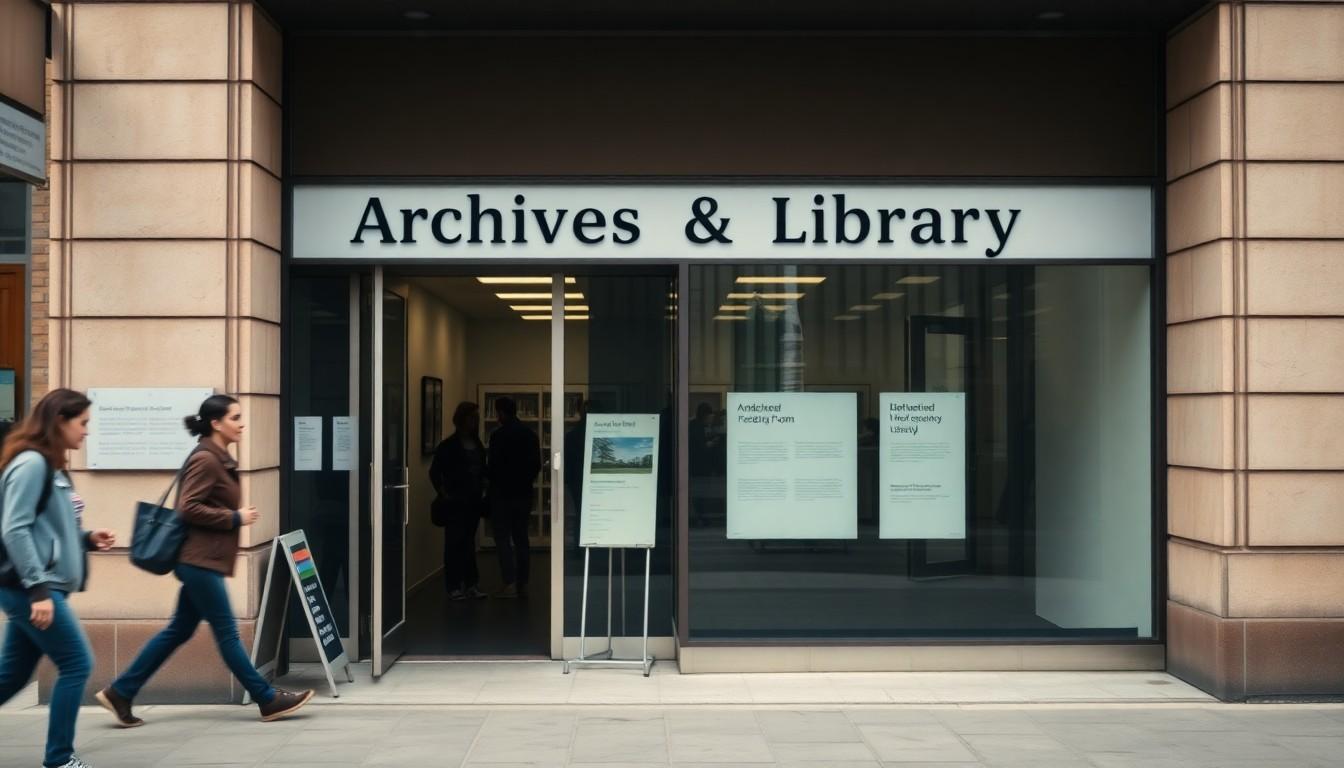
Readers, educators and activists are turning to LGBTQ+ archives for more than nostalgia. Stonewall National Museum, Archives & Library in Fort Lauderdale is preserving books, films, records and personal stories to challenge censorship, strengthen education and keep queer history visible when political pressure threatens to erase it.
Essential Takeaways
- A major cultural resource: Stonewall preserves LGBTQ+ books, papers, photographs and other historical material.
- History with a purpose: The collection helps communities understand how earlier campaigns shaped today’s rights.
- Education is central: Online biographies, travelling exhibitions and starter libraries extend the museum’s reach.
- Visibility matters: Preserving queer stories offers a useful counter to censorship and political distortion.
- The work is ongoing: Stonewall combines archives, public events, advocacy and international connections.
The archive is more than a room of old papers
A queer archive can feel quiet, even hushed, but its contents carry plenty of noise. Letters, posters, photographs, books and recorded memories reveal how LGBTQ+ people organised, loved, protested and built communities long before their stories received consistent institutional attention.
Stonewall National Museum, Archives & Library has made that preservation its central purpose. According to the organisation, its archives protect historical material that might otherwise be lost, scattered or overlooked, while giving researchers and the public a clearer view of LGBTQ+ life. That makes the collection useful not only to historians, but also to anyone trying to understand how social change actually happens.
There’s a practical reason this matters now. When books are challenged or public institutions retreat from difficult subjects, original records become a firm point of reference. They can’t settle every argument, but they make it harder to pretend that queer history began yesterday.
Why queer books and records still need protection
Stonewall’s library holds a substantial collection of LGBTQ+ writing, including fiction, non-fiction, periodicals and reference material. The range matters because queer history isn’t one tidy storyline. It includes political campaigns, health crises, art, family life, nightlife, journalism and the everyday details that rarely make official histories.
The museum’s published information describes the library as a resource for education, research and community connection. That broad role is important. A student looking for a first book, a teacher planning a lesson and a researcher tracing a movement may all need different material, but they’re sharing the same doorway.
Censorship also changes the emotional climate around reading. A challenged book can suddenly feel dangerous or forbidden, while a preserved book says something simpler and more powerful: these lives and ideas belong in the record.
Education turns memory into momentum
Preservation only works if people can find and use what has been saved. Stonewall’s educational efforts include online profiles celebrating LGBTQ+ figures, exhibitions and programmes designed to bring history to wider audiences.
According to the museum’s mission material, Robert Kesten has emphasised the value of personal stories and biography in helping people connect with the past. That approach makes sense. Dates and legislation explain what happened, but a person’s life often explains why it mattered.
The museum also supports outreach beyond its Florida base, including travelling exhibitions and small library initiatives for community organisations. For teachers and local groups, that kind of access can be more useful than a grand institution that feels distant. A modest set of well-chosen books can start a surprisingly big conversation.
Being based in Florida gives the work extra urgency
Stonewall operates in a state where debates over LGBTQ+ rights, education and public symbols have been especially visible. That setting gives the museum’s work a sharper edge, but it also places it close to the communities most directly affected by those decisions.
The organisation’s background and mission present its Fort Lauderdale base as part of its identity, rather than a limitation. The message is straightforward: queer history shouldn’t be protected only in places already considered welcoming. It needs to remain visible in every region where people live, work and grow up.
That local connection also helps explain why archives can be a form of civic engagement. A museum isn’t only displaying the past behind glass. It can provide language, evidence and confidence for people dealing with the present, whether they’re challenging a book ban or teaching a class under pressure.
The lessons reach beyond one community
Stonewall’s collections also place LGBTQ+ history within wider struggles for health equity, civil rights and international human rights. The museum’s public materials describe a mission that connects preservation with advocacy, education and community building.
That wider lens matters because progress rarely moves in a straight line. Gains can be followed by backlash, and a movement that forgets its earlier setbacks may find itself repeating them. Archives offer a kind of institutional memory, complete with the uncomfortable details that polished anniversaries often leave out.
For visitors, educators and supporters, the takeaway is encouraging but practical. Explore reputable LGBTQ+ collections, recommend queer books, support museums and libraries doing this work, and ask where local history is being kept. The future of equality is shaped partly by what communities choose to remember.
It’s a small act of preservation with a very public impact.
Source Reference Map
Story idea inspired by: [1]
Sources by paragraph:
- Paragraph 1: [2], [4]
- Paragraph 2: [3], [5]
- Paragraph 3: [2], [6]
- Paragraph 4: [3], [7]
- Paragraph 5: [4], [5]
- Paragraph 6: [2], [3]
- Paragraph 7: [4], [6]
- Paragraph 8: [5], [7]
- Paragraph 9: [2], [4]
- Paragraph 10: [3], [6]
- Paragraph 11: [4], [5]
- Paragraph 12: [2], [7]
- Paragraph 13: [3], [4]
- Paragraph 14: [5], [6]
- Paragraph 15: [2], [3]
- Paragraph 16: [4], [7]
- Paragraph 17: [5], [6]
- Paragraph 18: [2], [4]