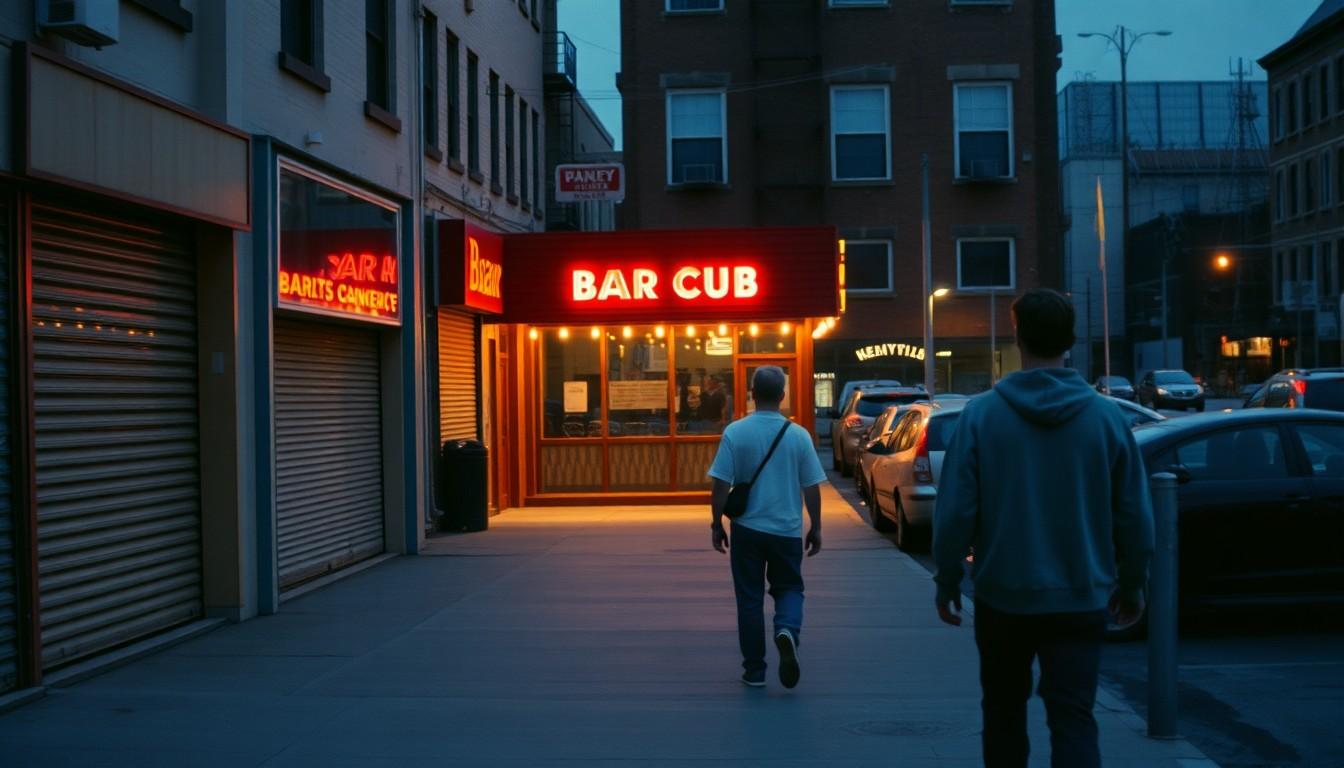
Older LGBTQ+ adults are revisiting whether gay social life was better in the 1990s and 2000s, when bars, bookshops and community venues were easier to find. The answer is complicated: those spaces created powerful connections, but they existed alongside the HIV/AIDS crisis, discrimination and a lack of legal rights.
The gay scene was bigger, louder and easier to find
For many people, the old gay scene began with a simple ritual: walk through a door. Queer bars, clubs, cafés, bookshops and community centres offered places to meet friends without an algorithm, a carefully edited profile or the awkward silence of a paused chat.
Older travel guides and community directories reveal just how extensive those networks could be. A single neighbourhood might once have offered a choice of bars, saunas, shops and social venues, creating a visible map of queer life rather than a scattered handful of destinations. Collections of historic LGBTQ+ travel guides show how these places formed part of a broader culture of movement, discovery and mutual recognition. According to the Fodor's gay guide collection, such publications documented not only nightlife but also the practical geography of queer communities. [3]
That visibility mattered. A newcomer could find a scene by following a guide, a poster or a recommendation, rather than relying on an app that might show only whoever happens to be nearby.
Nostalgia can't erase the HIV/AIDS crisis
The rose-tinted version of the 1990s leaves out a devastating reality. HIV/AIDS shaped gay life through grief, fear and activism, with families and communities repeatedly losing friends, partners and colleagues.
The AIDS Resource Center's historical record of vigils from 1985 to 1995 captures the scale of that mourning and the public urgency surrounding it. [4] Research published in the National Library of Medicine also documents how stigma, unequal treatment and limited access to care affected people living with HIV. [5]
So, yes, the clubs could be packed and the sense of solidarity could be intense. But some of that energy came from anger and survival. A crowded dance floor wasn't proof that everything was better; sometimes it was a place to breathe for a few hours.
What dating apps changed, for better and worse
The internet didn't single-handedly empty queer venues, but it changed how people found one another. Online classifieds, forums and early websites made it possible to arrange dates, friendships and hookups without leaving home. Smartphones later made that process faster, more private and far more portable.
That convenience has obvious appeal, particularly for people living in smaller towns or places where being openly queer still feels risky. Digital networks can offer connection when the nearest LGBTQ+ venue is miles away, closed early or simply doesn't exist.
But convenience can also thin out shared public life. When everyone can make separate plans from separate screens, fewer people necessarily end up in the same room. Research into online social and sexual networks has explored how digital platforms reshape relationships, health behaviours and community interaction, rather than simply replacing one kind of connection with another. [6]
Were the old spaces actually more welcoming?
Not always. Queer venues could be thrilling, but they weren't automatically inclusive. Race, class, gender identity, disability, age and body politics all influenced who felt comfortable inside them. A bar might provide a vital refuge for one person and feel intimidating or exclusionary to another.
There was also a practical cost to maintaining a scene. Rents rose, neighbourhoods changed and small businesses struggled. As historic gay districts became more desirable, some of the people who built those communities found themselves priced out. A lively venue list on an old map doesn't tell the whole story of who could afford to live nearby or who was allowed to feel at home.
Still, the emotional appeal is easy to understand. Walking into a room filled with people who shared some part of your experience could be quietly transformative, especially before mainstream acceptance became more common.
The best future may mix screens with real rooms
The real question isn't whether gay life was objectively better in the 1990s or 2000s. It is whether today's LGBTQ+ communities can keep the accessibility of digital connection while rebuilding the spontaneity of physical gathering.
That might mean supporting independent queer venues, community centres, bookshops and events, while recognising that not everyone wants nightlife. Book clubs, sports groups, cafés, mutual-aid projects and sober meet-ups can provide the same sense of belonging without requiring a late night and a loud sound system.
Historical accounts of gay life often show both sides at once: extraordinary community-building alongside profound loss. The New Republic's reflection on gay life and death makes clear why nostalgia needs a careful hand. [7] People may miss the old rooms, but they don't necessarily miss the danger that surrounded them.
The most honest answer is probably this: gay social life was more concentrated then, while queer connection is more widely available now. One offered a shared room; the other offers a much larger, messier network.
A healthier queer future needs both.
It's worth preserving the places where people can still meet without needing a password, profile or perfect opening line.
Source Reference Map
Story idea inspired by: [1]
Sources by paragraph: