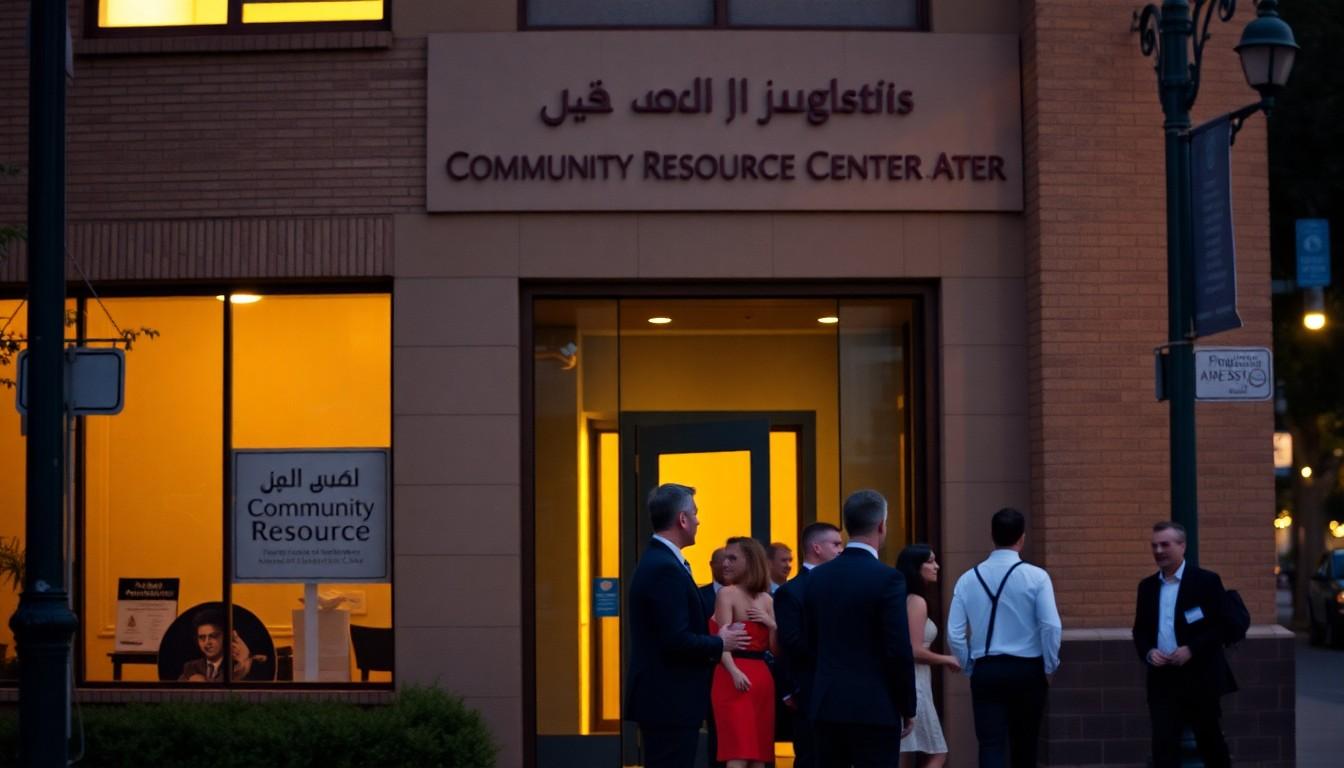
Dallas’ LGBTQIA+ community is preparing to celebrate Cece Cox at the 2026 Black Tie Dinner, where the Resource Center’s longtime leader will receive the Visibility Award. The honour arrives as Cox looks towards retirement, offering a timely salute to more than four decades of advocacy, community-building and practical change across North Texas.
Essential Takeaways
- A landmark honour: Cox will receive the 2026 Visibility Award at Black Tie Dinner’s 45th annual event.
- A full-circle moment: She previously became the youngest recipient of the Raymond Kuchling Humanitarian Award, 27 years ago.
- A lasting legacy: During her leadership, Resource Center expanded its services and reached more than 60,000 people each year.
- Practical progress: Her work included Oak Lawn Place, Resource Center Health and advocacy for wider non-discrimination protections.
- A significant farewell: Cox is expected to retire in early 2027 after more than 40 years in LGBTQIA+ advocacy.
Cece Cox returns to the Black Tie Dinner stage
There’s something satisfyingly circular about Cece Cox receiving another Black Tie Dinner honour nearly three decades after her first. In 1999, she became the youngest person to receive the event’s Raymond Kuchling Humanitarian Award. Now, she’s returning to accept the 2026 Visibility Award.
Black Tie Dinner will present the honour on Saturday 14 November at the Sheraton Dallas Hotel. According to Dallas Voice, the recognition reflects Cox’s long-standing role as one of the most visible and influential LGBTQIA+ advocates in the region.
The evening’s theme, “Renaissance”, feels neatly chosen. Cox’s career has been about keeping community institutions relevant, useful and open to people who need them, rather than treating visibility as a purely symbolic idea.
Four decades of advocacy, with plenty of sleeves rolled up
Cox has led Dallas’ Resource Center since 2010, but her advocacy work stretches back more than 40 years. That makes her influence difficult to measure through a single award or headline. It’s woven into services, policy changes and the everyday support available to LGBTQIA+ residents.
Resource Center now serves more than 60,000 people annually, according to the organisation’s public information. Under Cox’s tenure, its work has included healthcare provision through Resource Center Health and the development of Oak Lawn Place, an 84-unit affordable housing community for people aged 55 and over.
Those projects show why Cox’s contribution goes beyond public speaking or ceremonial visibility. A safer future also needs affordable homes, accessible healthcare and institutions that can meet people where they are, especially as they age.
Why the Visibility Award carries extra weight
Visibility can sound like a soft, celebratory word, but in Cox’s work it has had practical consequences. She has pushed for LGBTQIA+ lived experience to be represented in the organisations and public spaces that shape people’s lives.
Her advocacy helped secure non-discrimination protections for Dallas public employees and students, a reminder that community progress often happens through patient policy work rather than dramatic gestures. D Magazine has also explored the wider arc of Cox’s impact and her role in strengthening LGBTQIA+ support in Dallas.
“I have tried to bring a voice of representation of LGBTQIA+ lived experience,” Cox said in the announcement, adding that she would continue until everyone felt safe being visible. That’s an ambitious standard, but it explains the durability of her public work.
A strong 2026 line-up for Black Tie Dinner
Cox won’t be the only major figure recognised at this year’s event. The programme also includes Benito Skinner, creator of “Overcompensating”, who will receive the Media Award, while HELP Center for LGBTQ+ Health chief executive DeeJay Johannessen will take the Raymond Kuchling Humanitarian Award.
Human Rights Campaign President Kelley Robinson is also due to appear. Together, the line-up connects activism, healthcare, media and national LGBTQIA+ leadership, giving the dinner a broader reach than a traditional awards ceremony.
Black Tie Dinner’s own awards and organisational information position the event as a major fundraising and community occasion. With tickets and table-hosting opportunities still available, the 2026 dinner is likely to attract both long-time supporters and people keen to mark Cox’s next chapter.
What comes next for Cox and Dallas
Cox plans to retire in early 2027, so this award arrives at a particularly poignant point in her career. It gives colleagues and community members a chance to celebrate her while she is still actively shaping the work, rather than waiting until after she has stepped away.
The challenge for Dallas will be turning admiration into continuity. Institutions such as Resource Center will need strong leadership and sustained support to preserve the momentum built during Cox’s tenure, particularly as demand for healthcare, housing and community services continues to evolve.
For now, though, the mood is celebratory. A black-tie evening may involve polished shoes and careful speeches, but Cox’s legacy was built in the less glamorous places too: meetings, campaigns, clinics and conversations that helped people feel less alone.
It’s a fitting honour for a leader who made visibility practical.
Source Reference Map
Story idea inspired by: [1]
Sources by paragraph:
- Paragraph 1: [2], [5]
- Paragraph 2: [3], [4]
- Paragraph 3: [7], [5]
- Paragraph 4: [4], [5]
- Paragraph 5: [7], [4]
- Paragraph 6: [5], [7]
- Paragraph 7: [3], [4]
- Paragraph 8: [6], [3]
- Paragraph 9: [4], [6]
- Paragraph 10: [5], [7]
- Paragraph 11: [3], [4]
- Paragraph 12: [5], [7]
- Paragraph 13: [2], [3]
- Paragraph 14: [4], [5]
- Paragraph 15: [5], [7]