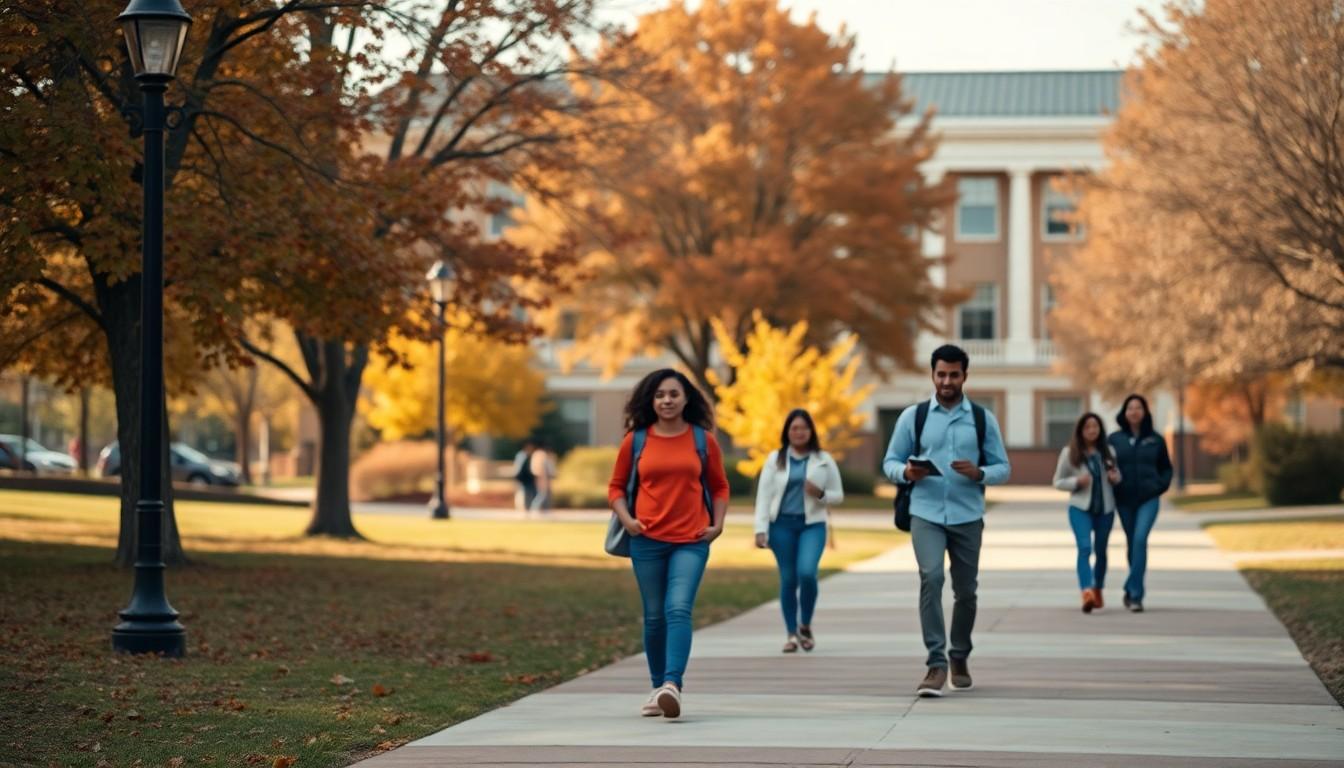
Viewers are discovering a richer picture of Black LGBTQ student life through the new A Different World, where belonging, friendship and ambition share the screen. That matters because HBCUs have long offered queer students meaningful communities, leadership opportunities and support, even as campus experiences can vary sharply from one institution to another.
Essential Takeaways
- Representation matters: A Black gay student shown as fully human can widen ideas about who belongs at an HBCU.
- Friendship is central: Supportive relationships, including friendships with straight men, can become lasting networks of care.
- Campus culture varies: Some LGBTQ students find advocacy and belonging, while others encounter exclusion or hostility.
- Safe spaces help: Dedicated offices, ally training and visible support can make campus life more secure and welcoming.
- The story is bigger than television: Black queer students have long shaped HBCU communities, even when popular culture overlooked them.
A Different World finally shows the fuller picture
The most striking thing about Amir Rodale isn't simply that he's a Black gay student at Hillman. It's that he gets to be a student first: joking with friends, navigating college and finding his place without every scene becoming a debate about his identity.
That ordinary ease feels quietly radical. As Best Colleges notes, LGBTQ students at HBCUs can experience a mixture of community, cultural connection and institutional challenges. Television has often focused on the obstacles, but a fuller story also includes laughter, ambition and the soft, everyday feeling of being known.
The character, played by Jordan Aaron Hall, reflects a reality that existed long before the reboot. Black queer students have been studying, leading clubs, building friendships and shaping campus culture for generations, even when mainstream television didn't make room for them.
Why friendships can matter more than labels
For many students, belonging isn't created by a slogan on a brochure. It's built through the person who saves you a seat, checks in after a difficult week or remembers your family long after graduation.
Research and commentary on LGBTQ life at HBCUs underline the importance of supportive networks, particularly where formal protections or services may be uneven. According to HBCU Buzz, queer students often navigate complicated questions of visibility, safety and community, but they also create their own circles of trust.
That helps explain why Amir's friendships feel so important. His relationships with other young men aren't treated as suspicious or exceptional. They have room for teasing, vulnerability and the glorious messiness of college life. In real life, those bonds can become professional networks, emotional lifelines and the kind of village people carry for decades.
HBCUs can offer support, but no two campuses are alike
It would be misleading to present every HBCU as automatically welcoming. Students' experiences depend on campus leadership, local culture, available resources and whether LGBTQ inclusion is supported in practice rather than simply mentioned in policy documents.
A study published in the Journal of Negro Education examined how institutional culture shapes the experiences of LGBTQ students at HBCUs. Its wider lesson is clear: visibility helps, but meaningful support requires action. That can include trained staff, responsive leadership, student organisations and spaces where students don't have to explain their humanity before asking for help.
The Human Rights Campaign has also highlighted HBCU student leaders who are combining activism with campus leadership. Their work shows how students aren't merely waiting for institutions to change. They're organising, educating peers and pushing their universities towards a broader definition of belonging.
Safe spaces turn good intentions into something real
A rainbow poster can be encouraging, but students notice quickly whether support goes deeper. Safe Zone training, dedicated LGBTQ offices and clear reporting routes can make a campus feel more navigable, especially for students deciding how openly to live.
Research on safe spaces at HBCUs has found that these initiatives can create important rewards, including stronger connections between students, staff and allies. They can also expose the practical difficulties of sustaining support in institutions with limited resources or competing priorities.
For prospective students, it's worth looking beyond a university's marketing language. Check whether it has an LGBTQ student organisation, an active support office, inclusive housing guidance and staff who understand the needs of Black queer students. Current students often offer the most honest view, so campus visits and student forums can be more revealing than a polished webpage.
Representation can change who imagines themselves there
A television character can do something a prospectus can't. It can show a young person laughing in a dorm, finding friends and imagining a future without presenting queerness as a warning label.
That matters because representation influences the choices students believe are available to them. The original A Different World helped generations of viewers picture HBCU life, but Black LGBTQ viewers often had to fill in the gaps themselves. The reboot gives them a more complete image, one where identity is present without swallowing the whole story.
The outlook is promising, although the work is far from finished. Black queer students deserve stories about discrimination when it happens, but they also deserve stories about leadership, romance, friendship, scholarships, family and the simple pleasure of being part of campus life. Sometimes the most powerful representation is the character who gets to have an ordinary day.
It's a small-screen change that reflects a much bigger history of Black queer belonging.
Source Reference Map
Story idea inspired by: [1]
Sources by paragraph:
- Paragraph 1: [3], [6]
- Paragraph 2: [3], [4]
- Paragraph 3: [5], [6]
- Paragraph 4: [6], [7]
- Paragraph 5: [4], [7]
- Paragraph 6: [5], [7]
- Paragraph 7: [3], [4]
- Paragraph 8: [2], [5]
- Paragraph 9: [7], [4]
- Paragraph 10: [3], [5]
- Paragraph 11: [4], [6]
- Paragraph 12: [3], [7]
- Paragraph 13: [2], [5]
- Paragraph 14: [3], [6]
- Paragraph 15: [4], [7]
- Paragraph 16: [3], [5]