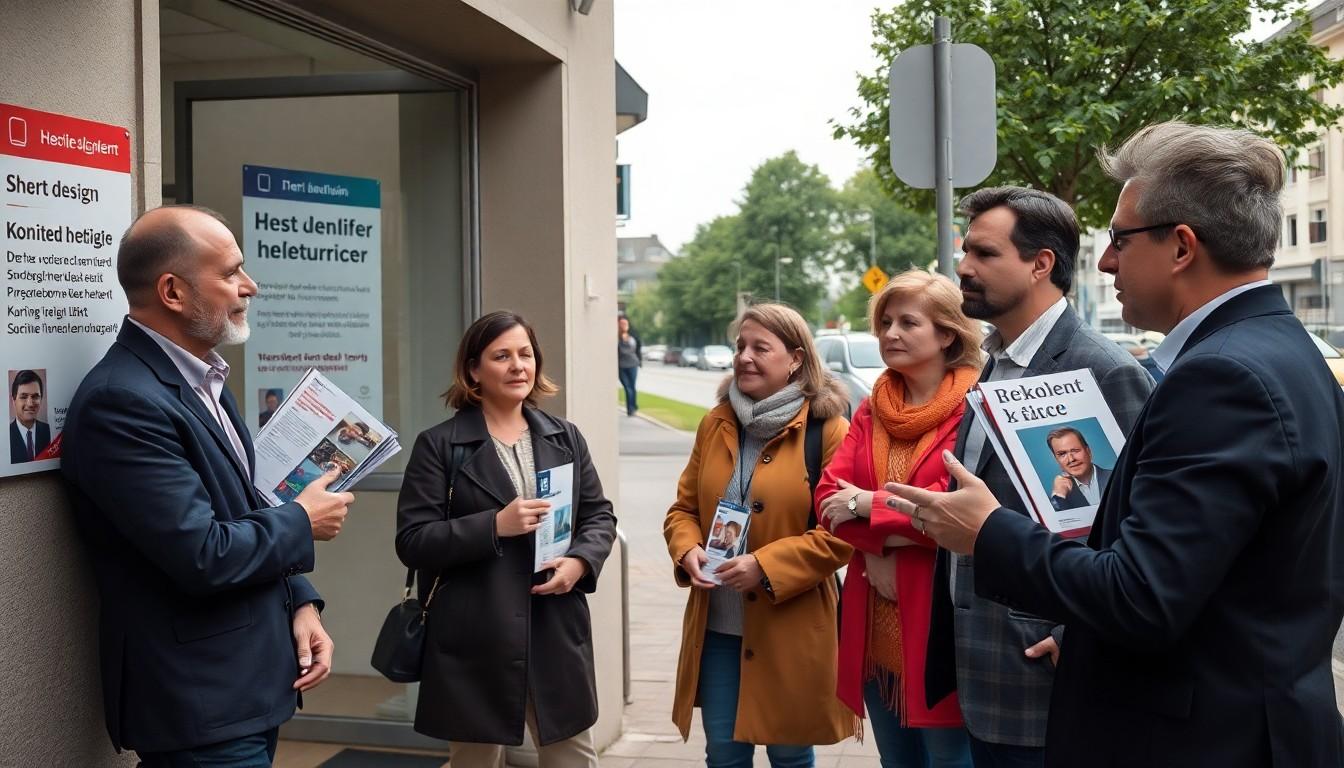
Community leaders in Germany have voiced solidarity with queer people facing fear and discrimination, while refugee advisers warn that independent asylum guidance is under threat. The developments matter for Turkish LGBTQ+ people, families and asylum applicants alike, particularly those navigating official procedures where trust, safety and clear information can make a profound difference.
Essential Takeaways
- Strong community support: The Turkish Community in Germany says queer people and their families should find safety, not exclusion, within community life.
- Culturally sensitive help: Leaders want more mother-tongue counselling for queer people of Turkish heritage and their relatives.
- Travel risks matter: They’re calling for clearer information about dangers LGBTQ+ people may face when visiting Turkey.
- Independent advice under pressure: Refugee organisations say proposed funding reductions could seriously weaken free, impartial asylum guidance.
- Trust is central: Legal advisers argue that an authority deciding an asylum case shouldn’t also be the applicant’s supposedly neutral adviser.
A public show of solidarity reaches beyond slogans
The Turkish Community in Germany has made a clear public commitment to LGBTQ+ people, responding to concern about pressure on queer organisations and activists in Turkey. Its message is aimed not only at institutions, but also at families and community groups where acceptance can determine whether someone feels safe enough to ask for help.
That matters because identity rarely fits into neat boxes. A queer person with Turkish roots may be dealing with homophobia, racism, language barriers and worries about relatives or travel at the same time. The TGD’s statement, published on its website, presents community organisations as places of support rather than judgement. Sources including the TGD and the Sächsischer Flüchtlingsrat emphasise the importance of accessible, trusted assistance for people facing vulnerable situations. [2], [3]
Why mother-tongue counselling can make a difference
The call for culturally sensitive services is practical, not merely symbolic. Advice delivered in a familiar language can make complicated rights, safety planning and support options easier to understand, especially when someone is frightened or unsure whom to trust.
For relatives, too, the right support can soften the shock of a family member coming out or disclosing persecution. The best services won’t assume that every Turkish-German family has the same views, but they can understand the cultural and family dynamics involved. That human detail matters: a quiet, confidential conversation may be the first step towards safety. The TGD’s published appeal and guidance from refugee-support organisations both point towards specialist, accessible provision rather than one-size-fits-all help. [2], [6]
Travel warnings are part of the safety picture
The TGD also wants clearer information about risks affecting LGBTQ+ people who travel to their country of origin. That request reflects a straightforward reality: visiting relatives or attending a family event can carry very different implications for someone whose sexuality or gender identity may attract hostility or official scrutiny.
People considering travel should check current government advice, speak to a specialist support organisation and think carefully about privacy on phones and social media. They should also make sure a trusted contact knows their plans. It’s not alarmist to prepare; it’s sensible, particularly when personal safety and family ties pull in opposite directions. The TGD’s statement links community solidarity with better information about potential dangers abroad. [2], [7]
Independent asylum advice faces a funding fight
The second concern is broader but closely connected. Independent asylum-procedure advice in Saxony and elsewhere helps applicants understand deadlines, evidence, interviews and appeals without relying solely on the authority responsible for making the decision.
Refugee organisations say proposed federal budget reductions could put that support at risk after 2026. The Sächsischer Flüchtlingsrat has warned publicly about the funding gap and has appealed for donations to keep independent advice available. Its information describes the service as free, voluntary and separate from the authorities handling asylum decisions. [3], [4]
Why independence matters to applicants
The legal objection is easy to understand. An asylum applicant may hesitate to discuss trauma, political activity or identity-related persecution with an official body if that same system will assess the application. Independent advisers can explain the process, identify missing information and help people make informed choices without appearing to speak for the decision-maker.
That doesn’t guarantee a positive outcome, nor should advice promise one. But it can make the process fairer and less bewildering, especially for people who don’t speak German confidently or who have experienced persecution because they’re queer. The Sächsischer Flüchtlingsrat and legal representatives have argued that independent guidance remains particularly important as European asylum rules evolve. [4], [5], [6]
The link between the two stories is trust. Whether someone is seeking culturally aware LGBTQ+ support or trying to understand an asylum interview, help works best when it feels safe, confidential and genuinely separate from the power to decide their future.
A trusted adviser can turn a frightening process into a manageable one.
Source Reference Map
Story idea inspired by: [1]
Sources by paragraph: