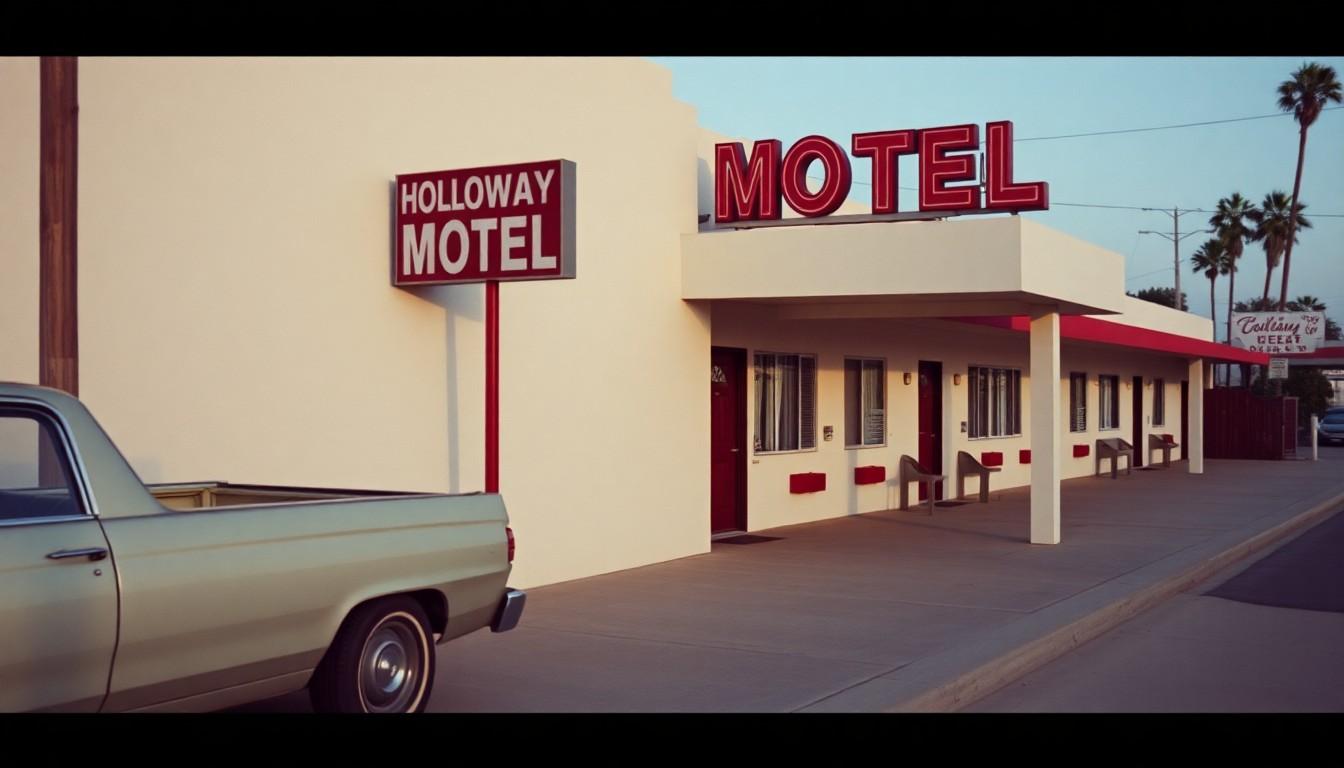
Viewers are discovering a moving new documentary about Tony Powell, a former Norwich City and Bournemouth defender whose hidden life, painful estrangement and late-life reunion reveal the lasting cost of homophobia in football. Now available in the US and showing in selected UK cinemas, it offers a deeply human story of fear, isolation and hope.
Essential Takeaways
- A forgotten football life: Tony Powell played top-flight football in England, including for Norwich City.
- A hidden identity: Fear of rejection led him to abandon his family and former life after moving to the United States.
- An unexpected film: Directors Ramiel Petros and Nick Freeman discovered Powell while filming at a Los Angeles motel.
- A long-awaited reunion: The documentary follows Powell as he reconnects with his siblings and daughters.
- Where to watch: It streams in the US on Apple TV, Prime Video and Fandango, while UK cinema screenings are under way.
A former footballer found far from the spotlight
The most striking thing about The Last Guest of the Holloway Motel isn't its football history. It's the quiet, almost surreal image at its centre: an elderly former professional player sitting outside a fading Hollywood motel, drinking wine and living largely out of sight.
Powell once played at the highest level of English football. He featured for Norwich City, won the club's Player of the Year award and appeared in the 1975 League Cup final. Yet by the time filmmakers met him, much of that past had been buried beneath decades of silence. The film's listings on IMDb and Rotten Tomatoes identify the documentary as a portrait of a man whose extraordinary sporting background sits alongside profound personal isolation.
That contrast gives the documentary its emotional charge. This isn't a conventional football film filled with archive footage and dressing-room nostalgia. Instead, the game becomes the doorway into a much bigger story about identity, ageing and the damage caused by fear.
The motel encounter changed everything
Directors Ramiel Petros and Nick Freeman initially set out to document the closure of the Holloway Motel and the surrounding homelessness crisis. Powell, who had lived and worked there for years, was simply a familiar figure on the building's balcony.
Then he mentioned his career in English football. What began as a short film quickly became a feature-length documentary, with each conversation revealing another layer of Powell's past. Apple TV's film page presents the title as a character-led documentary, while Rotten Tomatoes and MovieFone list the directors and cast connected with the project.
There’s a pleasing unpredictability to that origin story. The filmmakers weren't searching for a former professional footballer, let alone a missing family man with links to one of the most important conversations in the sport. They found him by paying attention.
Why Powell disappeared from his old life
Powell's estrangement was rooted in fear surrounding his sexuality. He had played alongside Justin Fashanu at Norwich during the late 1970s, before Fashanu became the first British male professional footballer to come out publicly in 1990.
For Powell, the prospect of rejection felt overwhelming. He left England in 1981, moved to the United States and severed contact with his wife, daughters, siblings and former football world. Decades later, his family still had little idea where he was. The film's catalogue information, including listings on FilmAffinity and IMDb, places this personal disappearance at the heart of its narrative.
The documentary doesn't excuse the pain caused by his decisions. His daughters grew up without him, and Powell struggles to recall their names years later. But it asks a more uncomfortable question: what kind of environment makes someone believe that vanishing is safer than being known?
A story about ageing, illness and loneliness
The football context matters, but the film reaches beyond sexuality and sport. Powell's later years bring job loss, poor health, alcohol dependency and the death of Sam, his beloved dog. The motel's closure leaves him even more vulnerable.
That combination makes the film feel immediate rather than historical. Powell isn't only confronting events from the 1970s and 1980s; he's trying to survive the consequences in the present. Rotten Tomatoes and MovieFone both frame the documentary around this intimate character study, rather than treating it as a simple sports biography.
There are difficult moments, but also small signs of trust. The filmmakers become a source of companionship, and their relationship with Powell helps him speak about experiences he had hidden from almost everyone. Sometimes the most important intervention is simply staying long enough to listen.
Reconnection gives the film its hopeful turn
The documentary's emotional centre arrives when Powell returns to England and meets his estranged siblings. Their reunion is understandably awkward. After more than four decades, affection hasn't vanished, but familiarity has been replaced by uncertainty.
He later reconnects with his daughters, now adults. Those meetings can't undo the years apart, and the film doesn't pretend otherwise. What they offer is something more modest and more believable: a chance to replace rumour and silence with conversation.
That balance appears to be one of the documentary's strengths. The Last Guest of the Holloway Motel doesn't divide its people neatly into heroes and villains. Powell made decisions that caused lasting hurt, but he was also shaped by a culture in which coming out as gay could threaten family, career and personal safety.
Why the film still matters to football
Openly gay male professional footballers remain rare, even as attitudes across wider society have changed. The film connects Powell's experience with those of Fashanu, Robbie Rogers and later players who have spoken publicly about their sexuality.
The wider message is clear. Footballers operate in an intense world of short contracts, public scrutiny and relentless pressure to fit in. For a young player who fears losing a career, a family or a place in the dressing room, silence can feel like a form of protection.
That makes this more than a documentary about one retired defender. It’s a reminder that progress isn't measured only by headline-making announcements. It also depends on whether people feel safe enough to be honest before they reach breaking point.
Where to watch The Last Guest of the Holloway Motel
In the United States, the documentary is available through Apple TV, Prime Video and Fandango. It is also screening in selected UK cinemas, with wider streaming information expected to follow. Apple TV, IMDb and Rotten Tomatoes provide the main current listing details.
The film may be difficult viewing, particularly for anyone affected by family estrangement, loneliness or mental-health struggles. But its tone is ultimately compassionate, and its central idea is quietly powerful: people can make terrible choices while still deserving the chance to tell the truth about what shaped them.
It's a small story in one sense, but it leaves a very large question hanging over football: how many people are still hiding in plain sight?
Explore the film if you're ready for a football story that stays with you long after the final whistle.
Source Reference Map
Story idea inspired by: [1]
Sources by paragraph:
- Paragraph 1: [2], [3]
- Paragraph 2: [4], [5]
- Paragraph 3: [6], [7]
- Paragraph 4: [2], [3]
- Paragraph 5: [4], [6]
- Paragraph 6: [5], [7]
- Paragraph 7: [2], [4]
- Paragraph 8: [3], [6]
- Paragraph 9: [5], [7]
- Paragraph 10: [2], [3]
- Paragraph 11: [4], [6]
- Paragraph 12: [5], [7]
- Paragraph 13: [2], [3]
- Paragraph 14: [4], [5]
- Paragraph 15: [6], [7]