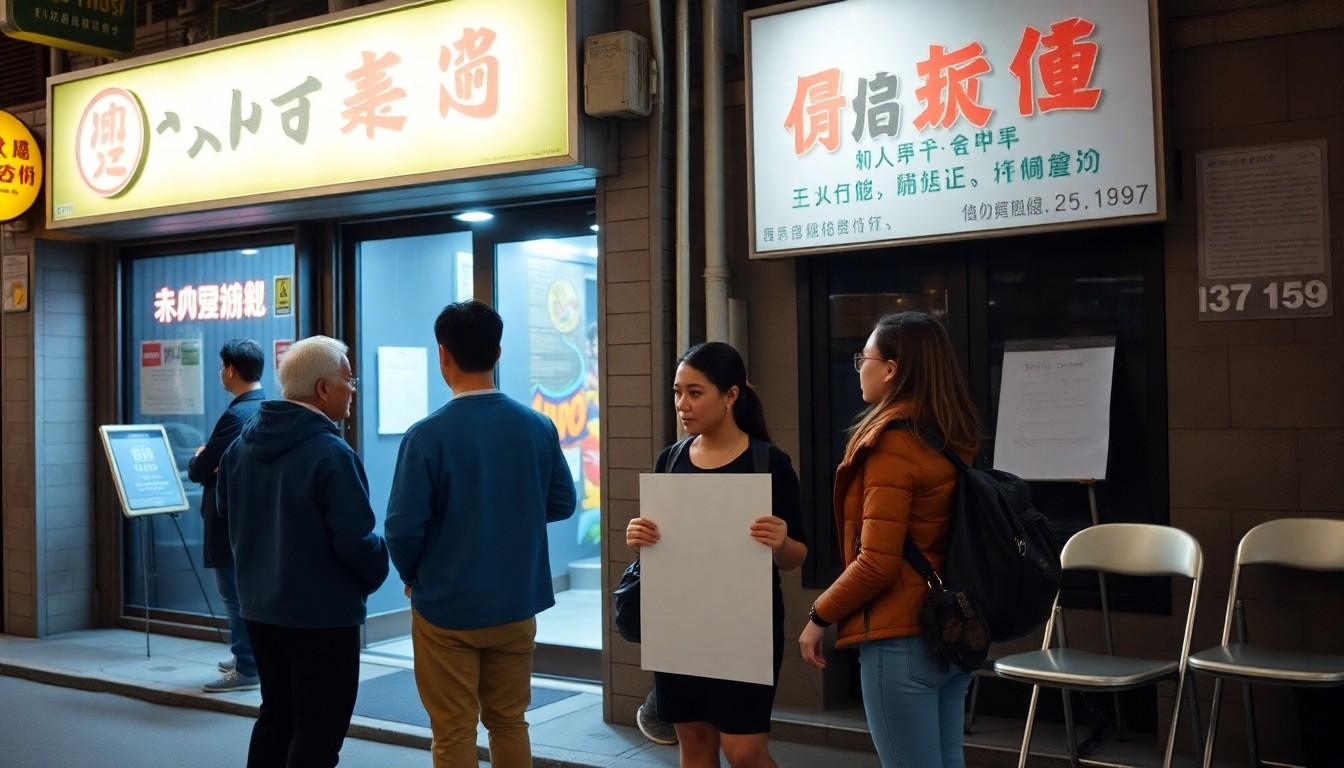
A proposed Taipei LGBTQ forum is drawing fresh attention after a police raid on a Ximen gay bar triggered allegations of excessive enforcement and an offensive remark. The invitation asks city leaders to discuss equal rights, policing and inclusion, while campaigners say legal marriage equality hasn't ended discrimination in everyday life.
Essential Takeaways
- A public forum has been proposed: Drag performer Sandra invited Taipei Mayor Chiang Wan-an and mayoral hopeful Shen Po-yang to discuss LGBTQIA+ issues.
- Shen accepted quickly: He said he was willing to take part and would ask his team to coordinate the details.
- The debate follows a controversial raid: Police conduct at a Ximen bar has prompted protests and demands for accountability.
- The conversation goes beyond marriage: Advocates want scrutiny of daily rights, policing and access to a genuinely inclusive city.
- Taipei's parade remains part of the picture: The annual event is being framed as both a community gathering and a statement of Taiwan's diversity.
A bar raid has become a wider test of trust
The controversy began with a police search at a gay bar in Taipei's Ximen district. Reports and advocacy groups say officers' conduct, including an alleged remark directed at a disabled person, has raised serious questions about dignity and proportionality during enforcement operations.
That matters because a police visit can feel very different depending on who is being searched. In a nightlife venue serving LGBTQ customers, even routine procedures can carry a heavier emotional weight, particularly when people already worry about stereotyping or unequal treatment. Taiwan Plus reported that protests followed the incident, while other coverage described calls for greater accountability.
The authorities now face more than a public-relations problem. They must explain what happened, whether procedures were followed and how complaints will be handled. For many residents, a clear answer will matter just as much as any eventual disciplinary decision.
Drag performer Sandra invites city leaders to the table
Against that backdrop, Sandra issued a public invitation for a civic forum focused on LGBTQIA+ concerns. The proposed discussion would bring together Mayor Chiang Wan-an and Democratic Progressive Party candidate Shen Po-yang, creating a chance to move the argument out of social media and into a more visible public setting.
Shen said he accepted the invitation and that his team could contact Sandra to discuss the format. According to Taiwanese reports, he argued that the discussion should cover the real conditions LGBTQ people face across the city, rather than stopping at the fact that same-sex marriage is legal.
That distinction is important. Marriage equality was a landmark change, but it doesn't automatically settle questions about workplace treatment, public services, family recognition, nightlife policing or the everyday confidence to report mistreatment. A forum that tackles those practical issues would be more useful than a purely symbolic appearance.
Marriage equality didn't end every inequality
Taiwan's same-sex marriage law made the country a regional trailblazer, but legal progress and lived experience don't always move at the same speed. LGBTQ groups have continued to call for scrutiny of discrimination, institutional culture and the way laws are applied on the ground.
The recent raid has made policing a particularly sensitive topic. LGBTQ Nation reported that community organisations were seeking accountability after the incident, while Focus Taiwan's coverage added to the growing public attention around the case. The question isn't whether police should be able to investigate suspected wrongdoing. It's whether they can do so without humiliation, assumptions or avoidable harm.
That is where a public forum could earn its place. Residents will want practical commitments, such as better training, transparent complaint procedures and regular consultation with LGBTQ organisations. Warm words are welcome, but a quieter, safer experience at the next police encounter would be the more convincing measure.
Taipei's parade carries a bigger message
Shen also linked the proposed discussion with Taipei's annual Pride events, saying he has attended the parade in previous years with his family. He suggested that the occasion should be considered not only as a political appearance, but as part of the city's wider cultural identity.
Taipei's Pride parade attracts participants from Taiwan and overseas, giving the city an opportunity to present itself as open, diverse and welcoming. Taipei Times coverage has placed the latest dispute within that broader conversation about LGBTQ rights, public culture and the capital's responsibilities.
Still, visibility works best when it is matched by action. A colourful parade route and polished stage speeches can show solidarity, but they can't replace fair treatment in a bar, a police station or a public office. The contrast is uncomfortable, yet it may be exactly why this debate has caught attention.
What should residents look for next?
The first practical test will be whether the proposed forum actually takes place and who is invited to speak. Community groups, disabled people, venue operators, legal experts and frontline officers would bring different perspectives, making the conversation more grounded than a simple exchange between candidates.
Residents should also watch for concrete follow-up after the event. That could include publication of investigation findings, clearer guidance for searches in nightlife venues and a timetable for training or policy changes. Reuters-style political theatre is easy; measurable accountability is harder, and much more valuable.
For Taipei's LGBTQ community, the issue is personal rather than abstract. As one round of headlines fades, people will remember whether leaders listened carefully and whether the city changed anything that affects an ordinary night out.
A forum can open the door, but trust will be built by what happens afterwards.
Source Reference Map
Story idea inspired by: [1]
Sources by paragraph:
- Paragraph 1: [2], [5]
- Paragraph 2: [3], [6]
- Paragraph 3: [4], [7]
- Paragraph 4: [2], [5]
- Paragraph 5: [3], [6]
- Paragraph 6: [4], [7]
- Paragraph 7: [2], [5]
- Paragraph 8: [3], [4]
- Paragraph 9: [6], [7]
- Paragraph 10: [2], [3]
- Paragraph 11: [4], [5]
- Paragraph 12: [6], [7]
- Paragraph 13: [2], [4]
- Paragraph 14: [3], [5]
- Paragraph 15: [6], [7]
- Paragraph 16: [2], [3]
- Paragraph 17: [4], [5]