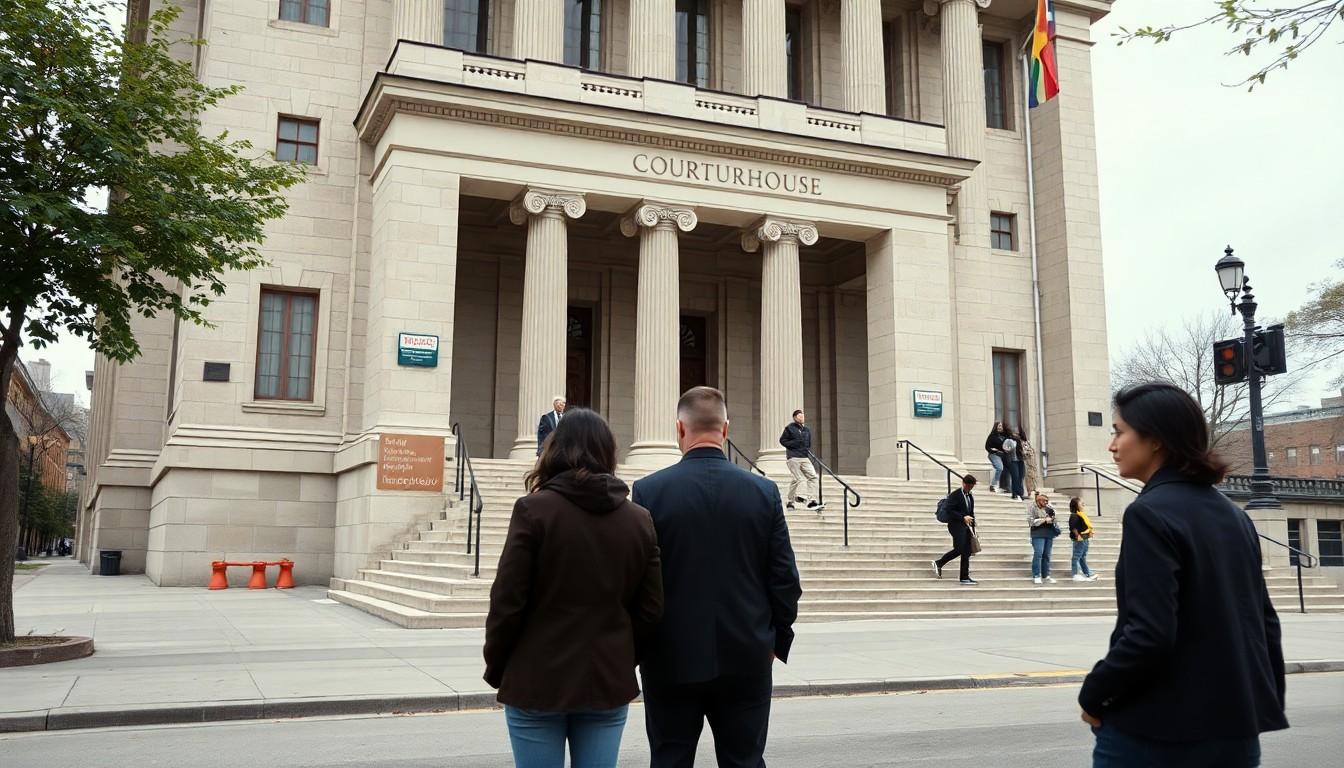
The US Supreme Court’s new term is bringing a fresh wave of LGBTQ+ rights cases, from public funding and youth support to healthcare and research. For LGBTQ+ people, especially children and transgender adults, the outcomes could affect where they can learn, find shelter, access care and expect protection from discrimination.
Essential Takeaways
- Public money is at the centre: One case asks whether religious preschools can receive state funding while excluding LGBTQ+ families.
- Youth services could be affected: Another challenge targets protections for LGBTQ+ minors using shelters and subsidised counselling.
- Emergency rulings matter: The court may act on prison healthcare and accommodation before hearing full arguments.
- Schools remain a flashpoint: A pending case could let teachers claim religious or free-speech rights to misgender pupils.
- Research funding is also contested: The Justice Department is seeking wider power to block studies linked to diversity and gender issues.
A new Supreme Court term, with familiar warning signs
The US Supreme Court’s latest term opens with LGBTQ+ rights already under pressure. After several recent decisions narrowed protections for sexual and gender minorities, the next group of cases could push the legal boundary further, particularly for young people and transgender Americans.
The concern isn’t limited to headline-making judgments. As legal records collected by Justia show, LGBTQ+ rights cases can involve employment, education, healthcare, family life and religious liberty. That broad reach means a ruling in one area can quickly influence disputes elsewhere.
Could taxpayers fund exclusion?
The first major case, St. Mary Catholic Parish v. Roy, concerns Colorado’s public preschool funding. Religious preschools seeking access to the scheme argue they should be able to take public money while refusing service to LGBTQ+ families, despite state anti-discrimination rules.
That combination is what makes the case so striking. It isn’t simply about whether a religious organisation may set its own rules; it’s about whether public funding can follow an institution that excludes some families. A decision in the schools’ favour could encourage similar claims across publicly supported services.
The wider legal backdrop is already unsettled. Recent reporting by The Washington Post, Colorado Public Radio and the Los Angeles Times has highlighted the court’s willingness to revisit state protections when petitioners frame restrictions as conflicts with free speech or religious liberty.
For LGBTQ+ teenagers, support can be lifesaving
A separate case involving Washington state targets protections for access to youth shelters and subsidised mental-health counselling. The challenge is presented as a question of whether parents have standing to object, but its practical consequences could reach teenagers who are rejected at home because of their identity.
For a young person facing homelessness or family conflict, a safe shelter isn’t an abstract government programme. It can mean a bed, a trusted adult and a route towards medical or psychological help. Restricting that support could leave vulnerable teenagers caught between hostile family circumstances and reduced state protection.
This is where the argument about parental rights becomes especially complicated. The legal system may recognise parental authority in some disputes while offering less weight to parents who support LGBTQ+ children. That uneven approach is likely to remain a central feature of the coming battles.
Emergency orders could change lives quietly
Some of the most consequential action may happen away from the court’s main argument calendar. In Trump v. Kingdom, the administration is asking the justices to lift an injunction blocking policies affecting healthcare and social accommodations for transgender prisoners.
An emergency ruling could arrive quickly, with little of the public briefing and discussion that usually surrounds a full hearing. For people dependent on continuity of medical care, even a temporary change can be frightening and disruptive.
The same low-visibility process could shape other LGBTQ+ disputes. Watching the emergency docket may be less dramatic than following oral arguments, but it’s often where immediate consequences appear first.
Schools and science are the next battlegrounds
A pending petition in Polk v. Montgomery County Public Schools would allow the Supreme Court to consider whether teachers may rely on religious or free-speech claims to misgender transgender pupils. Supporters describe the issue as one of individual expression; opponents warn that it could weaken basic protections in public education.
The Justice Department is pursuing a related fight over federal research funding in Trump v. Thakur. Its filing, available from the Office of the Solicitor General, seeks greater discretion to withhold support from studies the administration associates with diversity, equity and inclusion or what it calls “gender ideology”.
That could affect more than academic paperwork. Research funding helps shape what is studied, measured and understood about LGBTQ+ health. A chilling effect on that work could make future policy less informed, particularly in areas where reliable evidence is already politically contested.
The pattern is bigger than any single case
Taken together, these disputes point to a broader strategy: challenge LGBTQ+ protections in public schools, publicly funded services, healthcare, prisons and scientific research, often through the language of religious liberty, parental authority or free speech.
The court’s recent conversion-therapy ruling has already sharpened that debate. LGBTQ+ Nation, Colorado Public Radio and the Los Angeles Times reported that the justices struck down Colorado’s ban on conversion therapy, a decision framed around free-speech principles but welcomed by opponents of the restrictions.
For LGBTQ+ people and their families, the lesson is uncomfortable but clear. The final opinions matter, yet so do the cases accepted, the emergency orders issued and the questions justices ask along the way. By the time a major judgment arrives, institutions may already have changed course.
It's a term worth watching closely, especially if equal access to care, education and safety matters to you.
Source Reference Map
Story idea inspired by: [1]
Sources by paragraph: