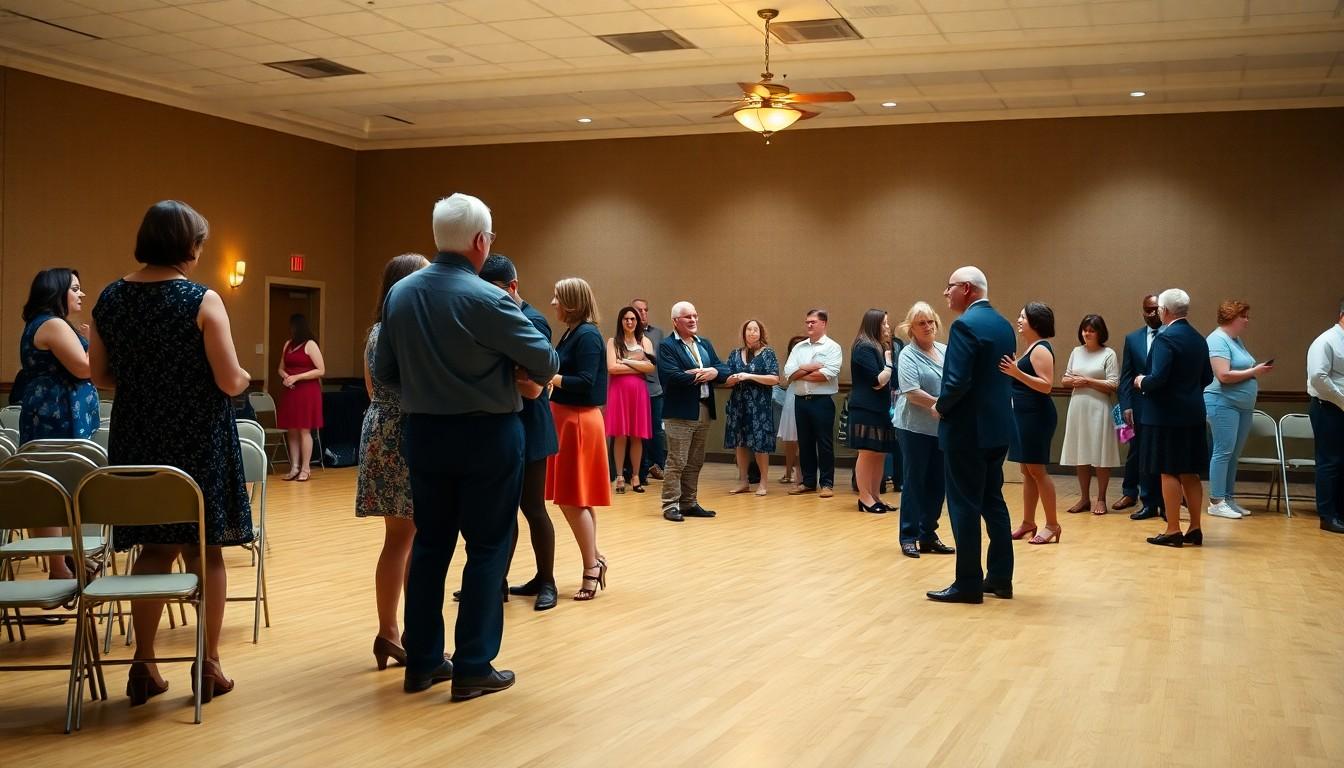
Under coloured lights and a thumping bassline, Ohio’s ballroom scene is doing far more than staging dazzling performances. From Columbus to Cincinnati, queer people are finding mentors, chosen family and confidence, while organisers build safer spaces where the next generation can show up, stand out and feel seen.
Essential Takeaways
- Ballroom is community first: Houses offer guidance, friendship and practical support, not simply competition.
- Chosen family matters: Elders often mentor younger members through housing, work, wellbeing and everyday challenges.
- The scene has deep roots: Ballroom grew from Black and LGBTQ+ communities creating space beyond mainstream acceptance.
- Inclusion is still evolving: Gender-nonconforming participants are pushing for categories that better reflect the people taking part.
- The atmosphere is electric: Music, movement, costumes and cheering turn each event into a vivid celebration.
The beat starts with belonging
The first thing you notice at an Ohio ball is the sound. Bass rolls across the room, judges watch from the stage and performers arrive in sharp looks, glittering details and carefully chosen props. It feels theatrical, but behind the spectacle is something more intimate: people checking on one another, making introductions and holding space for newcomers.
At events such as the Blaque Ball, houses including Chanel, Prodigy, Schiaparelli and Ebony create a visible sense of identity. According to The Buckeye Flame, performers and organisers see these gatherings as vital havens for queer people who may not receive understanding or support elsewhere.
That sense of safety is particularly important for young people. Research from The Trevor Project has repeatedly linked unsupportive homes and communities with greater mental-health risks among LGBTQ+ youth. In that context, a packed ballroom can offer something surprisingly powerful: somewhere to be recognised without explanation.
Why Ohio’s houses feel like chosen family
The house system gives ballroom its structure, but its influence extends well beyond the dance floor. Mothers and fathers guide members, help them prepare for categories and offer advice that can range from finding work to navigating relationships and housing difficulties.
Ciara Ebony, a veteran performer and ballroom Legend, describes motherhood as a demanding responsibility. Her role includes supporting younger members and helping connect people with resources. She also helped establish SISTAHS, a nonprofit focused on health and wellness for queer people of colour.
Meanwhile, Tyree Lauren brings a similarly practical approach to his role as a Father in the House of Lauren’s Ohio, Kentucky and Indiana region. He helps organise events, supports house practices and contributes money and connections to keep opportunities open. It’s leadership with a warm, workmanlike feel, less grand speech and more making sure everyone has eaten and knows where they need to be.
The culture behind the glamour
Ballroom is often introduced to wider audiences through films, television and viral clips, but its history is much deeper. Vogue’s oral history of ballroom highlights how Black and Latino LGBTQ+ communities built intricate worlds of performance, competition and family in response to exclusion elsewhere.
Time has similarly traced voguing and ballroom’s journey from underground queer spaces into mainstream culture. The visibility can be welcome, but it also raises a familiar question: what happens when a community’s style becomes popular while the people who created it remain overlooked?
Ohio’s scene keeps that history active rather than treating it as a museum piece. The categories, houses and rituals are living traditions, shaped by local organisers and performers. A ball might feel exuberant and playful, but every trophy carries the work of people who have kept the scene going through changing times.
A new generation wants more room to move
For younger performers, ballroom can be a route into confidence. Nautii, a Cincinnati performer, found the scene through social media and gradually began competing in categories including Vogue Fem and Sex Siren. He says the experience helped him become more comfortable taking up space and entering unfamiliar environments.
That confidence doesn’t mean the scene is finished evolving. Nautii has raised concerns about the limited recognition given to gender-nonconforming performers when categories are divided into strongly masculine and feminine expressions.
His planned kiki ball aims to create more room for GNC participants. Kiki events are often associated with younger members and can feel more accessible to people who are still finding their way into ballroom. The hope is straightforward: a scene founded on making space for outsiders should keep examining who still feels left at the door.
What comes next for Ohio ballroom?
The future depends on both preservation and change. Elders continue to pass on technique, history and survival skills, while younger organisers bring fresh categories, new events and different ideas about representation.
There are practical pressures, too. Venues need reliable sound systems and safe floors, organisers need funding, and regional alliances help determine which events carry weight for performers building reputations. Those details may sound mundane, but they’re the framework supporting every dramatic entrance and triumphant dip.
The result is a culture that combines sparkle with serious purpose. Ohio ballroom gives people somewhere to perform, certainly, but also somewhere to recover, learn and belong. For many participants, that may be the most important prize in the room.
It's a small wonder that the beat keeps bringing people back.
Source Reference Map
Story idea inspired by: [1]
Sources by paragraph:
- Paragraph 1: [6], [7]
- Paragraph 2: [4], [5]
- Paragraph 3: [6], [7]
- Paragraph 4: [2], [3]
- Paragraph 5: [6], [7]
- Paragraph 6: [5], [6]
- Paragraph 7: [1], [6]
- Paragraph 8: [1], [7]
- Paragraph 9: [1], [6]
- Paragraph 10: [1], [7]
- Paragraph 11: [2], [3]
- Paragraph 12: [1], [6]
- Paragraph 13: [1], [7]
- Paragraph 14: [2], [4]
- Paragraph 15: [1], [6]
- Paragraph 16: [1], [7]