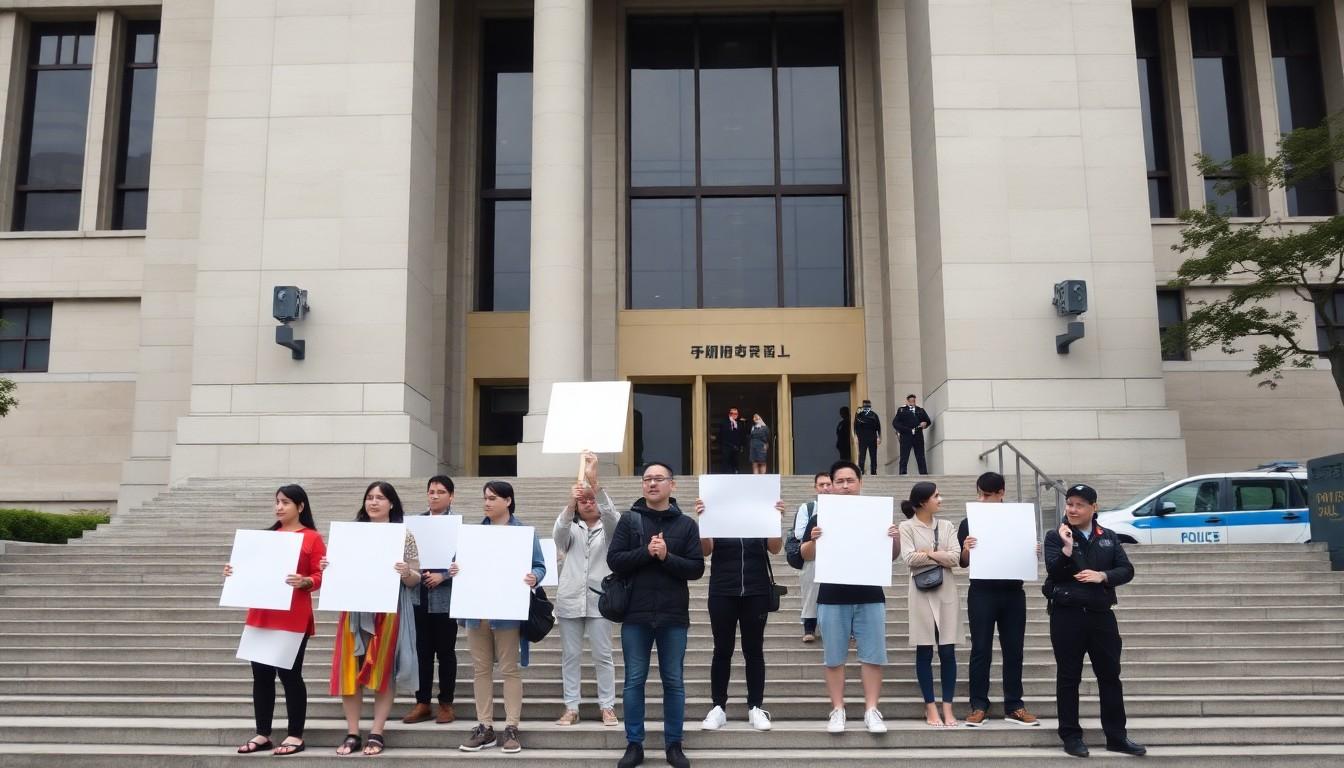
Protesters in Taipei are demanding an independent investigation after a police search at Commander D, an LGBTQ+ BDSM bar in Ximending, led to customers being taken to a police station. The dispute has raised urgent questions about search powers, personal freedom and how Taiwan’s authorities police queer nightlife.
Essential Takeaways
- A police search has triggered protests: LGBTQ+ and human rights groups gathered outside Taipei City Hall.
- Customers were reportedly detained: Almost 60 people were taken to a police station during the operation.
- The legal basis is disputed: Critics are questioning whether the search warrant covered customers and their belongings.
- Campaigners want clear rules: Groups are calling for transparent guidance on searches and inspections at gender-diverse venues.
- The case has wider implications: Activists say the raid risks linking LGBTQ+ nightlife with criminal behaviour without sufficient evidence.
Why the Commander D raid has become a flashpoint
A police operation at Commander D, a BDSM bar in Taipei’s Ximending district, has quickly become more than a dispute over one venue. Protesters say the search exposed a lack of clear safeguards for LGBTQ+ customers, particularly when police action takes place in an intimate or sexually expressive setting.
The atmosphere outside Taipei City Hall was angry but focused. Taiwan Plus reported that LGBTQ+ and allied groups gathered to demand accountability, while campaigners questioned why customers were allegedly taken away even though they weren't the stated targets of the search.
That distinction matters. A search warrant may authorise specific action, but critics want authorities to explain precisely how it applied to people inside the premises. For customers, the difference between being asked to provide information and being physically taken to a station is hardly academic.
Nearly 60 customers were reportedly taken to a station
According to reporting from the Taipei Times, police entered the venue with a warrant and brought almost 60 people to a police station. Authorities reportedly described those individuals as witnesses, but campaigners have challenged the process and its legal foundation.
Questions have also been raised about searches of personal belongings and reports that some people were asked to remove their tops. In a bar where dress and consensual role-play may be part of the environment, activists argue that officers should have taken particular care to avoid humiliation or unnecessary exposure.
The dispute now centres on proportionality. Even where police believe an offence may have occurred, the public expects searches to be targeted, properly explained and conducted with respect. That expectation shouldn't disappear at the door of a queer venue.
Protesters want an independent investigation
Green Party representatives, LGBTQ+ groups and disability advocates have called for an investigation involving external oversight. They want the city government to publish relevant enforcement and surveillance records within a week, and to clarify the rules used during the operation.
LGBTQ+ Nation reported that campaigners are seeking accountability over alleged police misconduct, while The Pink Times described growing scrutiny following protests. Both accounts point to the same broader concern: existing procedures may not adequately reflect the privacy and dignity issues involved in gender-diverse spaces.
An independent review could help separate legitimate policing from possible overreach. It should examine the warrant, the treatment of customers, the handling of personal items and the decision to use the witness label. Clear answers would benefit everyone, including officers who need workable rules in complicated environments.
Why policing queer nightlife needs clearer guidance
The controversy arrives amid a wider debate about how authorities interpret LGBTQ+ venues. Critics say treating drugs, nightlife and queer identity as one combined problem can reinforce damaging assumptions, rather than focusing on evidence tied to a specific alleged offence.
Taipei Times coverage highlighted concerns over the scope of the search and the decision to take customers to a station without arrest warrants. Forumosa discussion has also reflected public unease about what happened and what it could mean for visitors to similar venues.
For customers, the practical lesson is uncomfortable but simple: if you're caught up in a police operation, ask whether you're being detained, whether you're considered a witness and what legal authority is being used. Don't physically resist, but note names, times and instructions where possible, and seek legal advice afterwards. Venues, meanwhile, need clear emergency procedures and access to support.
A test of Taiwan’s reputation for LGBTQ+ rights
Taiwan has long been viewed as a regional leader on LGBTQ+ rights, making this episode especially sensitive. Legal progress can coexist with uneven treatment on the ground, particularly when policing, sexuality and public morality collide.
The campaigners' demands aren't limited to an apology. They want procedures that spell out when officers may search a venue, what they can do with customers and how privacy should be protected. That is a reasonable request, especially in spaces where clothing, consent and personal identity can be misread by outsiders.
As The Pink Times and LGBTQ+ Nation reported, the protests have turned one raid into a national conversation about accountability. The next step will be whether Taipei officials provide a detailed explanation or allow suspicion to fill the silence.
Clear rules, independent scrutiny and respectful treatment are the minimum any nightlife customer should expect.
Source Reference Map
Story idea inspired by: [1]
Sources by paragraph: