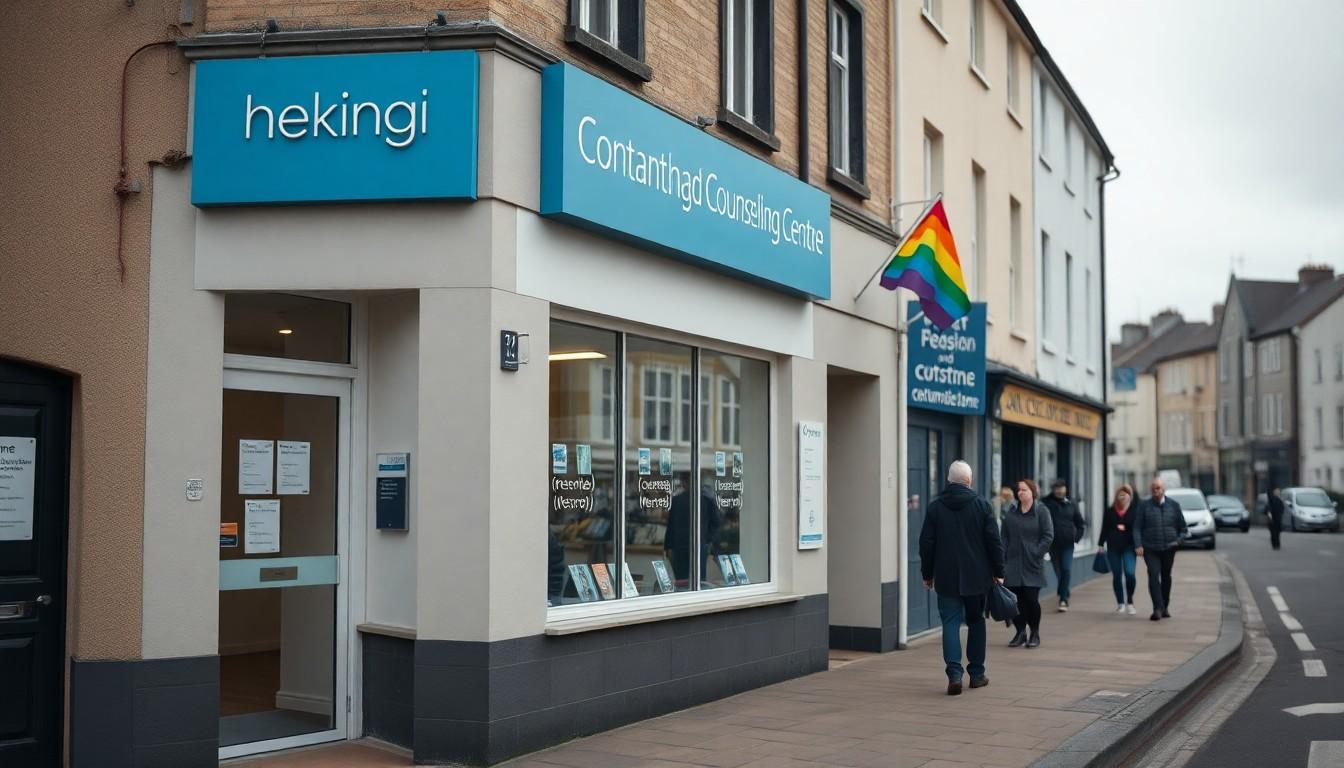
People across Ireland are weighing up Budget 2027, from modest tax relief and a higher minimum wage to extra rent support and expanded mental-health services. For LGBTQ+ communities, the package brings 33,000 additional counselling hours, but campaigners say vital gaps remain in healthcare, regional services and long-term inclusion funding.
Essential Takeaways
- Tax relief: Personal, PAYE and earned income credits will each rise by €125, while the USC threshold will increase.
- Higher minimum wage: The hourly rate is set to move from €14.15 to €14.94.
- Housing support: The rent tax credit is expected to increase, while Help-to-Buy rises to a possible €35,000.
- Mental-health provision: LGBTQ+ people will receive 33,000 extra hours of free counselling.
- Campaigners want more: Organisations say the Budget doesn't fully address gender-affirming care, hate crime prevention or inclusive healthcare.
Tax changes offer relief, but the effect will vary
Budget 2027's broadest measures are aimed at workers and households dealing with stubborn everyday costs. The government says increases to personal, PAYE and earned income tax credits will reduce the tax bill for many employees, while the 3% USC band will stretch to €30,300.
According to the Department of Finance, someone earning €50,000 could pay more than €700 less in income tax and USC. That's welcome news on paper, although the real-world benefit will depend on earnings, household costs and whether rent or childcare is swallowing most of the monthly payslip.
The package also introduces personal investment accounts, allowing people to save up to €12,000 a year, with tax-free treatment on the first €50,000 held. Returns beyond that level will face a 1% charge, including where an account has made a loss, so savers will want to understand the rules before treating the scheme as a simple rainy-day fund.
Minimum wage rises as pressure on pay continues
The national minimum wage is due to increase by 79 cent an hour, reaching €14.94. The Department of Enterprise says the change is intended to support workers while reflecting the wider effort to improve living standards.
For someone working full-time, even a small hourly rise can feel significant across a month. But it won't erase the pressure created by food, energy and housing costs, particularly for workers renting alone or managing irregular hours.
The change may also affect employers in hospitality, retail and care, where staffing costs are already closely watched. In practice, workers will need to check their payslips after the new rate takes effect, while businesses will need to update payroll systems promptly.
Rent and home-buying measures target two very different realities
The expected rent tax credit increase is aimed at people already paying to live in privately rented accommodation. Government figures confirm that the existing credit is worth up to €1,000 a year, with the new Budget intended to provide additional assistance.
That support could make a difference at tax-return time, but it won't change the monthly rent being demanded by landlords. For many tenants, the bigger question remains whether suitable homes are available at all.
First-time buyers get a separate boost through Help-to-Buy, with the maximum amount available towards a deposit rising to €35,000. The Department of Housing says the enhancement is designed to help eligible buyers bridge the gap between savings and the cost of purchasing a new home, though higher house prices and mortgage rates will still shape what people can realistically afford.
LGBTQ+ services gain counselling hours, but campaigners see unfinished work
The most specific LGBTQ+ measure is the addition of 33,000 hours of free counselling. The government has also highlighted record mental-health investment and new pathways for people with ADHD, according to the Department of Health.
Extra counselling is a practical intervention, especially for people facing long waits or searching for a service that understands LGBTQ+ experiences. A quiet, accessible appointment can be more than a line in a Budget document; for someone in crisis, it can be the point at which help finally becomes reachable.
However, the measure doesn't answer every concern raised by LGBTQ+ organisations. Their coordinated pre-Budget proposal called for sustained funding for regional services, improved intersex healthcare pathways, gender-affirming care, inclusive sexual-health provision and safer routes to parenthood.
Why LGBTQ+ groups say long-term funding matters
Campaigners' argument is less about rejecting the counselling announcement and more about its scale and durability. One-off or narrowly defined support can help people immediately, but community organisations often need multi-year funding to retain staff, plan services and reach people outside Dublin.
The groups also pointed to proposals from opposition parties, including dedicated funding for an action plan addressing hate and investment in gender-affirming healthcare. Those demands reflect a wider concern that mental-health support works best when people can also access safe healthcare, stable housing and protection from discrimination.
Budget 2027 therefore lands as a mixed result. It offers tangible help in areas such as tax, pay and counselling, but LGBTQ+ advocates are likely to keep pressing for funding that treats inclusion as core public infrastructure rather than an occasional add-on.
The next test will be delivery: whether the promised hours become easy-to-find services, whether the financial measures reach those under the most pressure and whether future Budgets tackle the gaps that remain.
A useful Budget is measured not only by what it announces, but by who can actually feel the difference.
Source Reference Map
Story idea inspired by: [1]
Sources by paragraph:
- Paragraph 1: [2], [3]
- Paragraph 2: [2], [6]
- Paragraph 3: [2], [6]
- Paragraph 4: [3]
- Paragraph 5: [3]
- Paragraph 6: [4]
- Paragraph 7: [5]
- Paragraph 8: [7]
- Paragraph 9: [7]
- Paragraph 10: [7]
- Paragraph 11: [7]
- Paragraph 12: [2], [3]
- Paragraph 13: [4], [5]
- Paragraph 14: [7]
- Paragraph 15: [7]
- Paragraph 16: [7]
- Paragraph 17: [7]