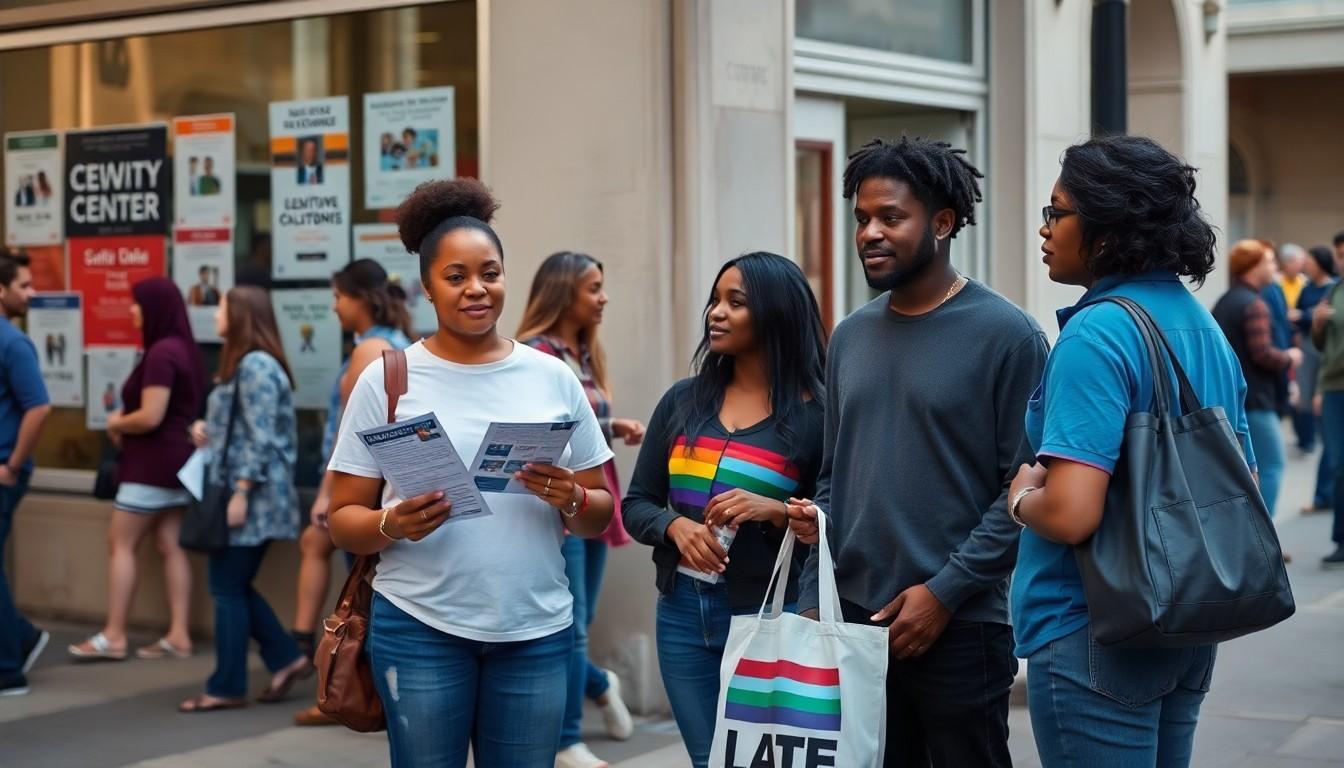
Activists are building a broader Black LGBTQ voter coalition ahead of the 2026 US midterms, arguing that attacks on civil rights, trans protections and diversity programmes are drawing communities closer together. The effort matters because organisers want voters to connect identity, democracy and everyday concerns such as healthcare and affordability.
Essential Takeaways
- A sizeable voting bloc: LGBTQ+ adults represent roughly 12% of the US adult population, according to the Human Rights Campaign.
- A major mobilisation effort: The HRC has committed $15 million to its 2026 electoral programme.
- Stronger civil rights links: The NAACP and LGBTQ rights groups have increasingly highlighted the overlapping discrimination faced by Black and trans Americans.
- A sharper political strategy: Advocates say candidates should challenge misleading attacks directly, rather than allowing them to dominate the conversation.
- Pocketbook issues still lead: Affordability, healthcare costs and political corruption remain central concerns for voters.
A coalition built around shared pressure
The most striking feature of this election effort is its attempt to turn overlapping experiences into political power. Kelley Robinson, the first queer Black woman to lead the Human Rights Campaign, is positioning Black and LGBTQ voters as communities with more in common than campaign strategy has sometimes acknowledged.
The HRC says its 2026 electoral programme will invest $15 million in voter mobilisation. The organisation is also targeting a large LGBTQ+ electorate, giving the campaign both scale and a practical reason to build stronger links with Black-led civil rights groups. The Washington Post has likewise reported on the organisation's expanded focus ahead of the midterms.
That doesn't mean every voter in either community shares the same priorities. It does suggest, however, that policy changes affecting voting rights, workplace protections and gender discrimination can create common ground. Politics is often built around tidy labels, but people's lives rarely fit them so neatly.
Why Black LGBTQ voters are at the centre of the debate
Robinson's background gives the HRC's message a particularly personal edge. Her official profile describes a career rooted in organising and LGBTQ+ advocacy, while her leadership places intersectionality at the centre of the organisation's public work.
The argument is straightforward: a Black LGBTQ voter may face racial and queer discrimination not as separate experiences, but at the same time. That is especially visible for Black trans people, who can encounter barriers in schools, workplaces, healthcare and public life.
The NAACP made that connection explicit after the Supreme Court allowed states to bar transgender girls from participating in some school sports. Its response stressed that Black trans young people can experience discrimination across several parts of daily life, rather than in one isolated arena. The HRC issued a similarly forceful warning that the ruling could weaken wider anti-discrimination protections.
The sports fight is bigger than the pitch
School sport has become one of the most visible flashpoints in the US culture wars, partly because it offers campaigns a simple, emotionally charged story. But the legal consequences may reach further than a team sheet or a school changing room.
The HRC argued that the Supreme Court's decision risked undermining protections for transgender people more broadly. The NAACP's response also framed the issue through civil rights, linking participation in sport with wider questions about equal treatment and belonging.
That helps explain why Black civil rights organisations and LGBTQ groups are increasingly speaking in tandem. Their shared statements don't erase differences between the movements, but they show how a dispute over school athletics can become part of a much wider argument about who receives protection under American law.
Candidates are being urged to answer attacks head-on
Robinson's advice to Democratic candidates is blunt: don't sacrifice trans people in the hope of winning over voters elsewhere. Instead, she argues, candidates should confront misleading claims, state the facts clearly and move quickly back to the issues affecting household budgets.
That approach reflects lessons drawn from the 2024 presidential campaign, when Republican advertising put intense pressure on Democrats over trans rights. The Washington Post has also highlighted the HRC's efforts to shape campaign messaging during the midterm cycle, as candidates navigate a hostile and highly polarised environment.
There is a practical communications lesson here. Repeating an opponent's claim can give it extra oxygen, but refusing to answer can leave voters with only one version of the story. The harder task is to rebut the claim without letting it swallow the conversation.
Everyday costs could decide the election
For all the attention on DEI and transgender rights, Robinson says voters are likely to make decisions based on more immediate pressures. Healthcare premiums, affordability and distrust of politicians tend to feel far more tangible than a distant argument on social media.
That is an important distinction for campaigners. Voters may care deeply about civil rights, but they also want to know whether they can pay the rent, afford treatment and feel secure at work. A persuasive coalition will probably need to connect those concerns rather than treating cultural and economic issues as separate lanes.
The HRC's electoral programme reflects a wider push to make LGBTQ voter mobilisation part of mainstream political organising. If Black and LGBTQ groups can turn solidarity into turnout, the 2026 midterms may show whether coalition-building can survive the noisy tactics of modern campaigning.
The real test will be whether shared vulnerability becomes shared political influence.
Explore the issues and candidates that matter most in your community.
Source Reference Map
Story idea inspired by: [1]
Sources by paragraph: