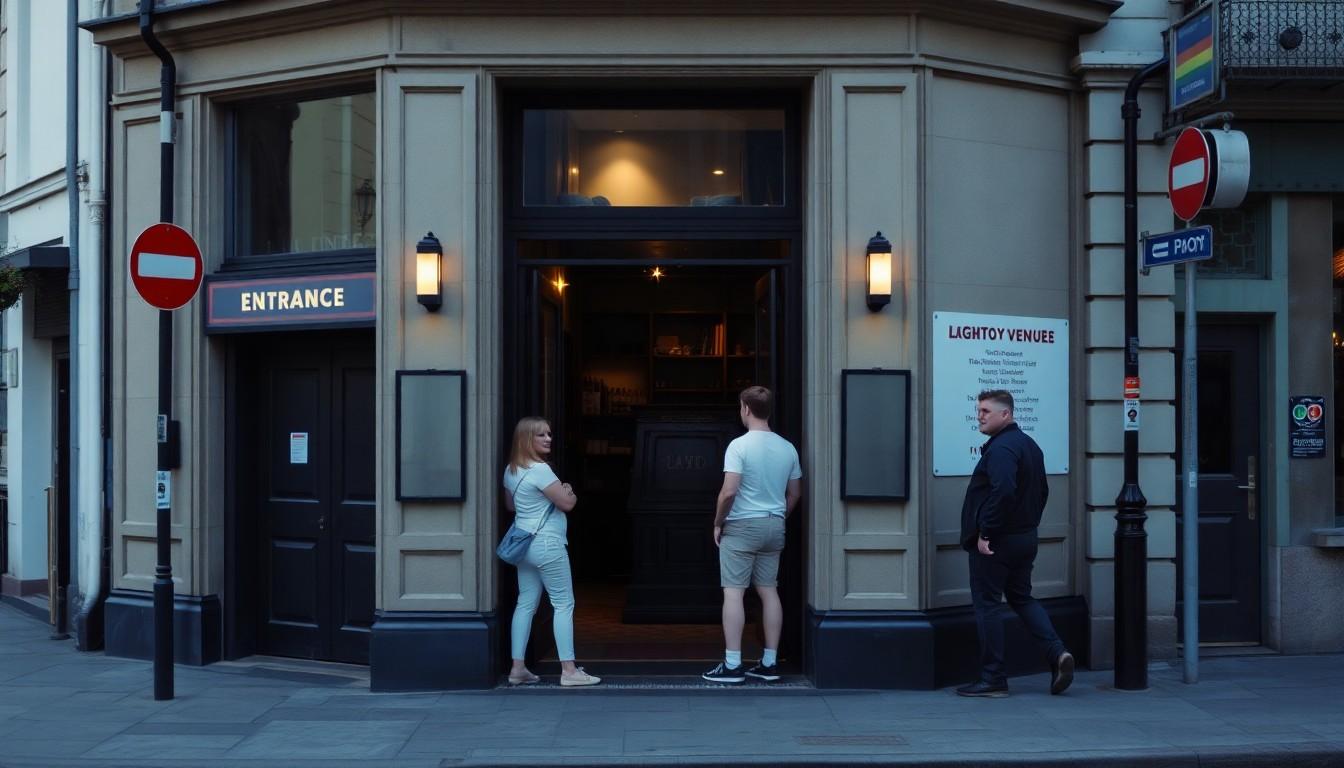
Campaigners are urging Brighton and Hove City Council to support struggling LGBTQ+ venues, after the closure of much-loved spaces including R-Bar and Charles Street Tap. The proposed solution is a ticket levy linked to Brighton Pride, alongside better safety, promotion and planning for the city’s LGBTQ+ Quarter.
Essential Takeaways
- A proposed levy: A suggested £5 addition to Pride tickets could help support community venues.
- Two closures: R-Bar and Charles Street Tap have highlighted the financial pressure facing Brighton’s LGBTQ+ nightlife.
- Year-round support: Campaigners want investment beyond the busy Pride weekend.
- Safer streets: The plan includes better lighting, CCTV, visible policing and action on anti-social behaviour.
- A wider strategy: Councillors are considering support for the full evening and overnight economy, from 6pm to 6am.
Brighton’s LGBTQ+ nightlife is feeling the strain
The warning from campaigners is simple: a city famous for LGBTQ+ culture can't take its venues for granted. The recent loss of R-Bar and Charles Street Tap has made that concern feel immediate, leaving familiar spaces quieter and the community with fewer places to meet.
Local reporting has described both closures as part of a wider squeeze on LGBTQ+ venues, many of which face rising costs, challenging licensing conditions and changing nightlife habits. For regulars, it's more than losing a bar. It's losing somewhere that can feel welcoming, recognisable and safe. (According to Brighton and Hove News and Gaydio.)
Daniel Harris told councillors that Pride should discuss adding a contribution to ticket prices, with a suggested £5 going towards protecting local venues. The idea is aimed at turning some of the city's biggest visitor spending into practical, year-round community support. (The Argus reported on the proposal, while Brighton Locals highlighted the ticket-levy campaign.)
Could a Pride ticket levy help keep venues open?
A levy wouldn't solve every problem, but it could provide a visible link between Brighton's major LGBTQ+ celebration and the venues that help sustain the city's identity throughout the year. Supporters argue that visitors come for Brighton's inclusive atmosphere, so some of the money generated by Pride should help preserve the places that created it.
The proposal also reflects a broader debate about how Pride has changed. As events become larger and more commercially focused, campaigners are asking whether community benefit remains strong enough. That doesn't mean people oppose successful events, but many want a clearer route for funds to reach grassroots organisations and permanent venues. (Brighton Locals and The Argus both reported concerns about community benefit and the proposed levy.)
Any scheme would need careful design. Organisers would have to explain how the money was collected, who controlled it and which venues or projects received help. Without that transparency, even a well-intentioned levy could leave people wondering where their contribution went.
The five-point plan goes beyond Pride weekend
Councillor David McGregor said the council was looking at several ways to support LGBTQ+ venues. A five-point plan presented by venue operator Steve Jones called for investment in Brighton's LGBTQ+ Quarter, including St James's Street, Marine Parade and nearby areas.
The suggestions include cleaner streets, improved lighting, CCTV, visible policing and wardens. They also call for action on street drinking, drug activity, anti-social behaviour and hate crime. Those details may sound practical rather than glamorous, but a bright, well-maintained street can make a real difference when people are deciding whether to go out. (The Argus and Brighton and Hove News covered the proposed measures.)
The plan also seeks promotion throughout the year, rather than concentrating attention around Pride. That could mean showcasing LGBTQ+ venues through Visit Brighton, encouraging midweek trade and making the area more appealing during quieter seasons. A full nightlife strategy would cover the entire 6pm to 6am economy, including transport, investment and venue protection.
Why venue closures matter to the whole city
R-Bar had served Brighton's LGBTQ+ community for decades, and its closure prompted a strong response from customers and fellow venue operators. Coverage from Gaydio and Attitude described the venue's long history, underlining how much emotional weight can sit behind a single closing announcement.
Charles Street Tap's closure added to that sense of loss. These businesses aren't simply interchangeable units on a high street. They provide meeting points for friends, newcomers and visitors, while also helping Brighton maintain the distinctive character that attracts tourists in the first place. (Brighton and Hove News and We News reported on the closures.)
There is a touch of irony here. Brighton's LGBTQ+ reputation is one of its strongest tourism assets, yet the smaller, everyday venues behind that reputation can be the most vulnerable. As one door closes, the city risks becoming known for a celebration that lasts a weekend rather than a culture that lives there all year.
What should visitors and residents watch next?
The immediate question is whether the council, Pride and venue operators can turn broad support into measurable action. That might include a published support plan, clearer funding information, regular meetings with venue owners and progress reports on safety and public-realm improvements.
It will also matter how licensing decisions are handled. Campaigners want a framework that protects responsible operators without blocking new ideas, while the council has stressed that its role covers the lawful use of public land rather than private corporate ownership of Pride events. (The Argus reported on the council's position and the concerns raised at the meeting.)
For visitors, the most useful response is wonderfully straightforward: use the venues that remain, explore beyond the headline events and support LGBTQ+-led businesses throughout the year. A busy Pride weekend is valuable, but a full diary on an ordinary Wednesday may be an even better sign of a healthy scene.
Brighton’s LGBTQ+ Quarter needs support that lasts longer than one colourful weekend.
Source Reference Map
Story idea inspired by: [1]
Sources by paragraph:
- Paragraph 1: [2], [4]
- Paragraph 2: [5], [6]
- Paragraph 3: [1], [2]
- Paragraph 4: [1], [3]
- Paragraph 5: [2], [3]
- Paragraph 6: [1], [3]
- Paragraph 7: [1], [3]
- Paragraph 8: [6], [7]
- Paragraph 9: [4], [5]
- Paragraph 10: [6], [7]
- Paragraph 11: [1], [3]
- Paragraph 12: [1], [2]
- Paragraph 13: [1], [3]
- Paragraph 14: [2], [4]