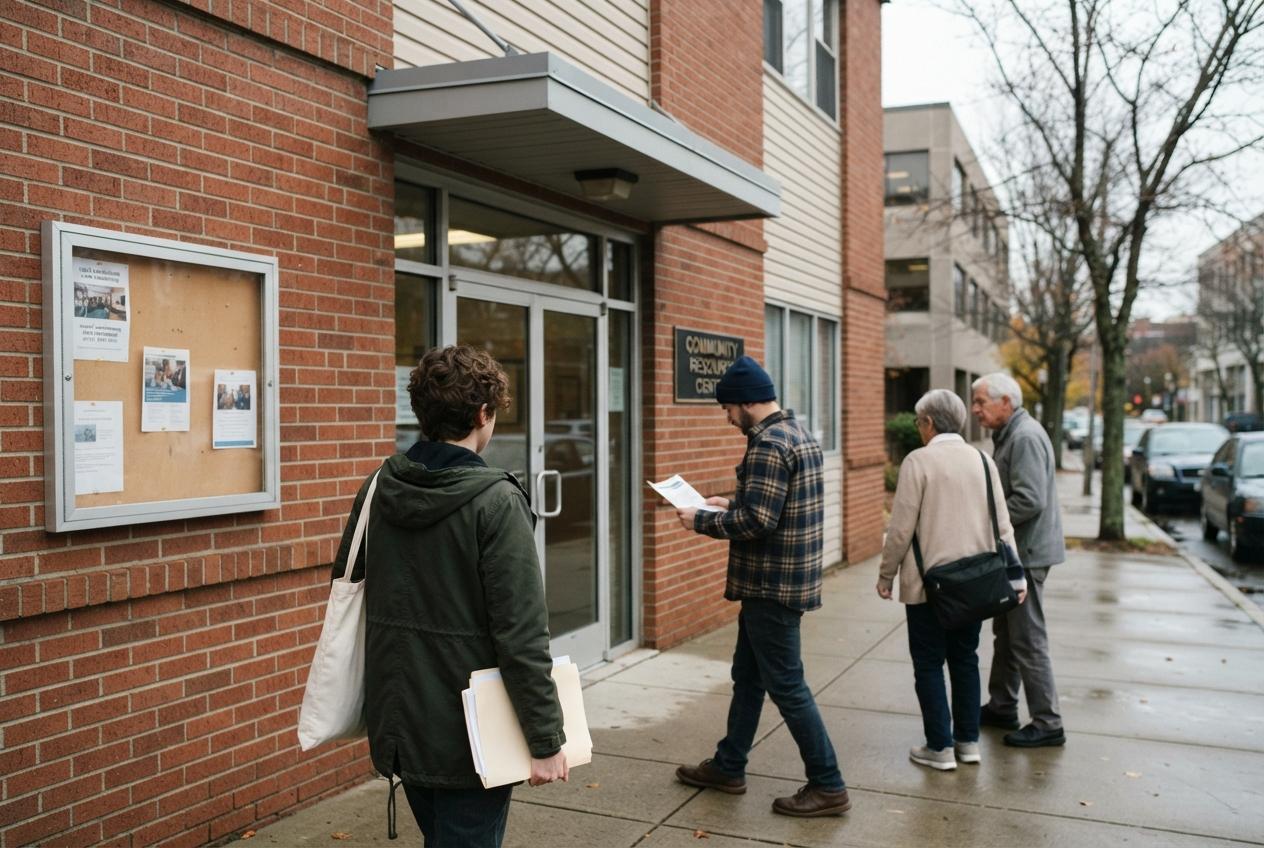
Job hunting can be especially difficult for transgender people in the United States, where discrimination, paperwork problems and housing insecurity can overlap. This practical guide explains the employment landscape, outlines workplace rights and highlights job boards, legal services, shelters and support lines that can help people find work with greater safety and confidence.
Essential Takeaways
- Unemployment remains high: The 2022 U.S. Transgender Survey found that 18% of respondents were unemployed.
- Discrimination can be costly: Some respondents reported losing work or being pushed out because of their gender identity or expression.
- Inclusive job boards help: TransWork, myGwork and Out Professionals offer targeted vacancies, networking or career support.
- Housing and employment are connected: Services such as 211 and HUD Find Shelter can help when a stable home is the first priority.
- Legal support matters: Transgender Law Center, TLDEF and Lambda Legal can offer guidance on discrimination and identity documents.
Why transgender employment still needs attention
For many people, a job search is stressful enough. Add an outdated ID, an unsafe workplace or a landlord who won't accept you, and the process can feel like trying to run uphill in formal shoes.
Data from the 2022 U.S. Transgender Survey shows that 18% of respondents were unemployed, according to the U.S. Trans Survey. Reporting on the survey also points to substantial underemployment, with many people working part-time, temporary or lower-skilled jobs despite having stronger qualifications.
Workplace discrimination doesn't always arrive as an obvious dismissal. It can appear in repeated misgendering, blocked promotion opportunities, hostile colleagues or pressure to leave. That makes a supportive employer more than a pleasant bonus. It can be the difference between building a career and constantly starting over.
Housing adds another layer. When someone lacks a secure address, transport, reliable internet or a quiet place to prepare for interviews, finding work becomes harder still. So a useful transgender employment guide has to cover more than vacancies.
What workplace rights look like now
The Supreme Court's decision in Bostock v. Clayton County established that Title VII's ban on sex discrimination includes discrimination based on gender identity, according to legal explainers. In practical terms, a covered employer generally can't refuse to hire or dismiss someone simply because they're transgender.
That broad protection doesn't make every workplace experience straightforward. Guidance around bathrooms, pronouns and harassment has shifted, and legal disputes continue to shape how rules are applied. Nolo's reporting notes that restrictions affecting transgender bathroom access can raise different questions depending on whether the employer is a federal agency, a private company or a state or local organisation.
If something goes wrong, keep a calm paper trail. Save emails, messages, rosters, reviews and notes showing dates, names and witnesses. Deadlines for filing complaints can be short, so contact a state civil rights agency, the EEOC or a trans-focused legal organisation promptly rather than waiting for the situation to resolve itself.
Where to find trans-friendly jobs and career support
A targeted job board can save time, particularly when its employers have already shown an interest in LGBTQ+ recruitment. TransWork combines listings with CV support, virtual careers events and employer training, while Out Professionals and myGwork offer networking alongside vacancies.
Other useful places to explore include Pride at Work, Out & Equal Workplace Advocates, Campus Pride, Out for Work and the Ingersoll Gender Center job board. For legal careers, the Lavender Law Career Fair can be a valuable route into firms and organisations that understand LGBTQ+ issues.
Local programmes can be just as helpful as national websites. LGBT centres in cities such as New York, San Francisco and Los Angeles offer career counselling, job fairs or trans-specific employment support. Your local American Job Center may also provide free CV advice, interview preparation and training, while vocational rehabilitation offices can help eligible people with disabilities.
Before applying, check an employer's inclusion policy and benefits. Look for clear gender identity protections, employee resource groups, inclusive healthcare and practical signs that staff won't have to fight for basic respect.
Housing and identity documents can make or break a job search
A job offer is much easier to accept when you have somewhere safe to sleep. If housing is urgent, 211 can connect people with local shelter, food and bill assistance, while HUD Find Shelter points towards nearby accommodation and related services.
LGBTQ+ organisations such as the Ali Forney Center, Jazzie's Place, New Alternatives and local LGBT community centres may provide emergency accommodation, transitional housing or referrals. Availability differs sharply by city, so calling early and asking about eligibility is worthwhile.
Paperwork can create another frustrating barrier. A name on a CV that doesn't match an old document may prompt awkward questions, delays or outright bias. Advocates for Trans Equality, TLDEF and local legal-aid clinics provide information about name changes and gender-marker updates, although requirements vary by state.
You don't need to volunteer medical details during an interview. Prepare a short, confident explanation for any document mismatch, then bring the conversation back to your skills. It may feel rehearsed, but having the words ready can make a tense moment feel much less overwhelming.
How to prepare for a safer, stronger interview
Start with the basics: practise your introduction, review the job description and prepare examples that show what you've achieved. A mock interview through TransWork, an LGBT centre or a trusted friend can help you test answers without the pressure of a real panel.
You can also investigate the workplace before accepting an interview. Look for an explicit non-discrimination policy, gender-neutral facilities, inclusive benefits and evidence that the organisation supports LGBTQ+ staff rather than simply adding a rainbow logo in June.
Clothing should help you concentrate, not become another source of discomfort. Choose something that feels professional and physically manageable, and plan practical details such as transport, documents and arrival time. Confidence isn't a magical switch. Often, it's what remains after you've removed a few avoidable worries.
Employers have responsibilities too. Clear policies, respectful names and pronouns, sensible restroom access, manager training and transparent reporting routes all help create workplaces where people can stay and progress.
Support is part of the employment plan
Job hunting can wear down even the most determined person, particularly when every application carries the possibility of discrimination. Trans Lifeline, 988, The Trevor Project and local LGBTQ+ centres offer different forms of crisis, peer or emotional support.
The broader social climate can also affect how safe people feel at work and in public. Pew Research Centre has reported that a growing share of younger adults describe their gender as different from the sex assigned at birth, while reporting on violence against transgender people underlines why safety cannot be treated as an afterthought.
A practical first step is to choose the most urgent need. That might be a vacancy, a shelter referral, help with documents, legal advice or someone to talk to tonight. You don't have to solve the whole maze in one afternoon.
Reliable, affirming support can turn a daunting search into a series of manageable steps. Sometimes that first step is simply making one call.
Find the resource that fits your situation and take the next step at your own pace.
Source Reference Map
Story idea inspired by: [1]
Sources by paragraph:
- Paragraph 1: [2], [5]
- Paragraph 2: [2], [7]
- Paragraph 3: [3], [4]
- Paragraph 4: [2], [7]
- Paragraph 5: [2], [3]
- Paragraph 6: [4], [3]
- Paragraph 7: [2], [7]
- Paragraph 8: [2], [7]
- Paragraph 9: [2], [7]
- Paragraph 10: [3], [4]
- Paragraph 11: [2], [7]
- Paragraph 12: [2], [7]
- Paragraph 13: [5], [6]
- Paragraph 14: [2], [6]