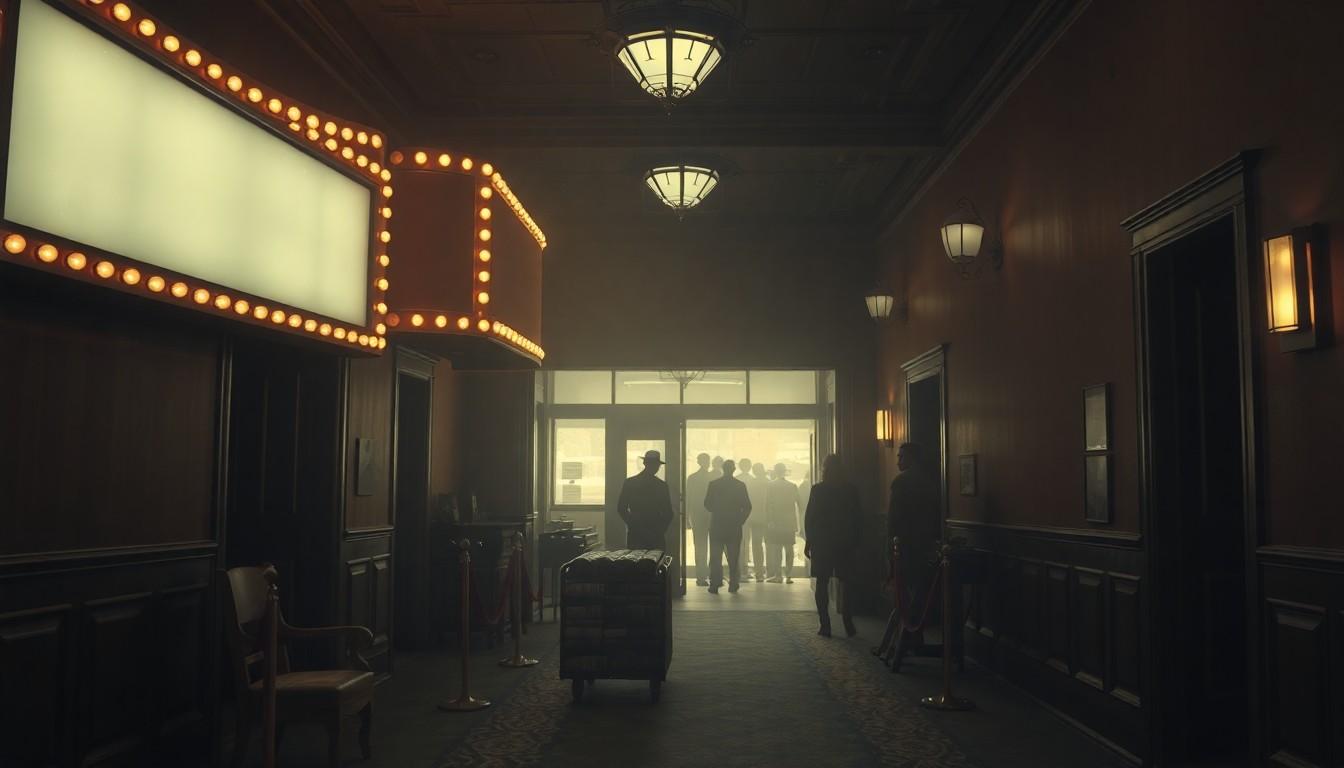
Shoppers aren't the only ones with seasonal lists: horror fans are turning to underrated queer horror films for richer, stranger viewing. From James Whale's campy classic to modern trans-led indie scares, these films bring bold identity, dark humour and plenty of atmosphere to Halloween watchlists and year-round streaming nights.
Essential Takeaways
- Start with a classic: The Old Dark House offers early queer-coded horror and deliciously theatrical performances.
- Expect variety: The list spans gothic vampire stories, slashers, body horror and drag-queen comedy.
- Look beyond subtext: Modern titles often place openly queer and trans characters at the centre of the story.
- Match the mood: Choose camp for a fun night, or something grittier when you want horror with emotional bite.
- Check availability: Streaming libraries change, so search your preferred platform before settling in with snacks.
Why queer horror deserves a place on every watchlist
Queer horror isn't a narrow genre tucked away for Pride Month. It stretches from old Hollywood melodrama and gothic seduction to neon thrillers, practical-effects gore and proudly scrappy independent films. That's part of its appeal: there isn't one correct way for a film to be queer, frightening or fun.
The best examples often turn outsider status into a source of tension and power. A haunted house can become a space for coded rebellion, while a slasher can challenge the familiar habit of treating queer characters as disposable. For viewers, that makes these films more than seasonal curiosities. They're lively, unpredictable additions to a crowded Halloween queue.
Start with James Whale's deliciously strange classic
James Whale's The Old Dark House remains an irresistible gateway into classic queer horror. Its storm-lashed setting, peculiar household and extravagant tone create a world where social rules seem to loosen along with the roof tiles. The result is eerie, funny and wonderfully theatrical rather than relentlessly grim.
As the BFI and other film critics have noted, Whale's identity and career add important context, but the film doesn't need to be treated like a museum piece. Its suggestive language, camp energy and eccentric characters still feel remarkably vivid. It’s the sort of old film that rewards watching with the lights low and a slightly mischievous mood.
Classic Hollywood's queer history is often found in gestures, casting, coded names and atmosphere rather than direct declarations. That makes The Old Dark House especially rewarding for viewers interested in how filmmakers created room for queer readings under restrictive studio-era conventions.
Gothic vampires bring desire into the open
For something more overtly sensual, The Vampire Lovers offers a lush, sapphic take on the vampire tradition. Based on Sheridan Le Fanu's Carmilla, it uses seduction, secrecy and aristocratic interiors to turn forbidden desire into the engine of the horror.
There’s a pleasingly old-fashioned richness to its approach. Candles flicker, gowns sweep through corridors and danger arrives with a smile, giving the film a flavour that’s closer to decadent gothic melodrama than modern shock horror. It’s a strong pick for viewers who like their scares slow, stylish and unmistakably queer.
The wider vampire canon has always had room for fluidity, longing and outsiders. That’s why these stories keep returning in new forms: the monster is frightening, certainly, but they’re also often the only character allowed to live outside ordinary rules.
Slashers can challenge old stereotypes
The 1981 film Butcher, Baker, Nightmare Maker takes a more direct route, combining family dysfunction with an investigation and a surprisingly sympathetic gay character. Its portrayal is shaped by its era, but the decision to make a gay teacher a protective, morally grounded presence gives the film unusual weight.
It’s also a reminder that representation doesn't have to be polished to matter. Older horror can be uneven, sensational or uncomfortable, yet still contain moments that push against the assumptions of its time. Viewers should approach it with context, but there’s value in seeing where the genre occasionally broke from the expected script.
Meanwhile, Bride of Re-Animator turns mad science into something almost domestic. The central partnership between Dan and Herbert has a charged, co-dependent quality, while their attempt to create life together gives the sequel a wonderfully strange emotional undercurrent. It’s excessive, gooey and gloriously camp - in other words, ideal midnight viewing.
Modern queer horror puts identity at the centre
Recent films have moved beyond hints and coded readings, giving queer characters full emotional lives, messy histories and room to drive the plot. Knife + Heart, set in the world of gay adult cinema in late-1970s Paris, mixes giallo mystery with heartbreak, repression and electric colour. It’s stylish, bruising and far more interested in complicated people than easy heroes.
Then there’s Sissy, an Australian slasher that combines influencer culture, old friendship wounds and dark comedy. Its bright social-media surface makes the violence feel even sharper, while the queer ensemble gives the film a lived-in quality. It understands that a reunion can be awkward enough without adding murder to the itinerary.
For body horror, Swallowed offers a claustrophobic and upsetting ride built around friendship, risk and exploitation. It’s a smaller-scale film, but that intimacy works in its favour. Every uncomfortable moment feels close enough to touch, which is precisely why the film sticks around after the credits.
Indie films are where the genre gets boldest
Low-budget horror remains one of the most reliable places to find fresh queer storytelling. Satranic Panic brings a trans drag queen and a non-binary friend into a demon-fighting story shaped by grief, friendship and practical effects. Its handmade feel is part of the charm, giving the film an energetic, punky pulse.
Alice Maio Mackay's Carnage for Christmas continues that interest in trans-led horror, following a true-crime podcaster who returns to a dangerous hometown. It blends gore with small-town hostility and queer community, creating a festive film that doesn't require snow, mince pies or a suspiciously cheerful soundtrack.
Slay takes a lighter approach, sending drag queens into battle against vampires while mixing laughs with found-family warmth. Because real drag performers play the queens, the film has an easy authenticity that helps its comedy land. It’s a particularly good choice when the group wants horror that feels celebratory rather than punishing.
How to choose your next queer horror film
If you want atmosphere, begin with The Old Dark House or The Vampire Lovers. For a sharper, more contemporary night, try Knife + Heart, Sissy or Swallowed. And if your ideal Halloween watch includes camp, colour and characters you’ll want to cheer for, Slay is an easy recommendation.
Streaming availability changes quickly, so it’s worth checking platforms such as Shudder, Tubi, Prime Video, Kanopy and rental services before making plans. Also consider the pace and intensity: a gothic slow burn suits a quiet evening, while a drag-vampire romp is better for a noisy group watch.
Most importantly, don't worry about finding the single definitive queer horror film. The pleasure is in the range, from coded classic cinema to proudly trans indie stories. There’s always another odd little gem waiting behind the next door, and it may have excellent eyeliner.
Explore the list, pick your mood and let queer horror make the season stranger.
Source Reference Map
Story idea inspired by: [1]
Sources by paragraph:
- Paragraph 1: [2], [3]
- Paragraph 2: [4], [5]
- Paragraph 3: [6], [7]
- Paragraph 4: [2], [3]
- Paragraph 5: [4], [5]
- Paragraph 6: [6], [7]
- Paragraph 7: [2], [4]
- Paragraph 8: [3], [5]
- Paragraph 9: [6], [7]
- Paragraph 10: [2], [3]
- Paragraph 11: [4], [5]
- Paragraph 12: [6], [7]
- Paragraph 13: [2], [4]
- Paragraph 14: [3], [5]
- Paragraph 15: [6], [7]
- Paragraph 16: [2], [3]
- Paragraph 17: [4], [5]
- Paragraph 18: [6], [7]