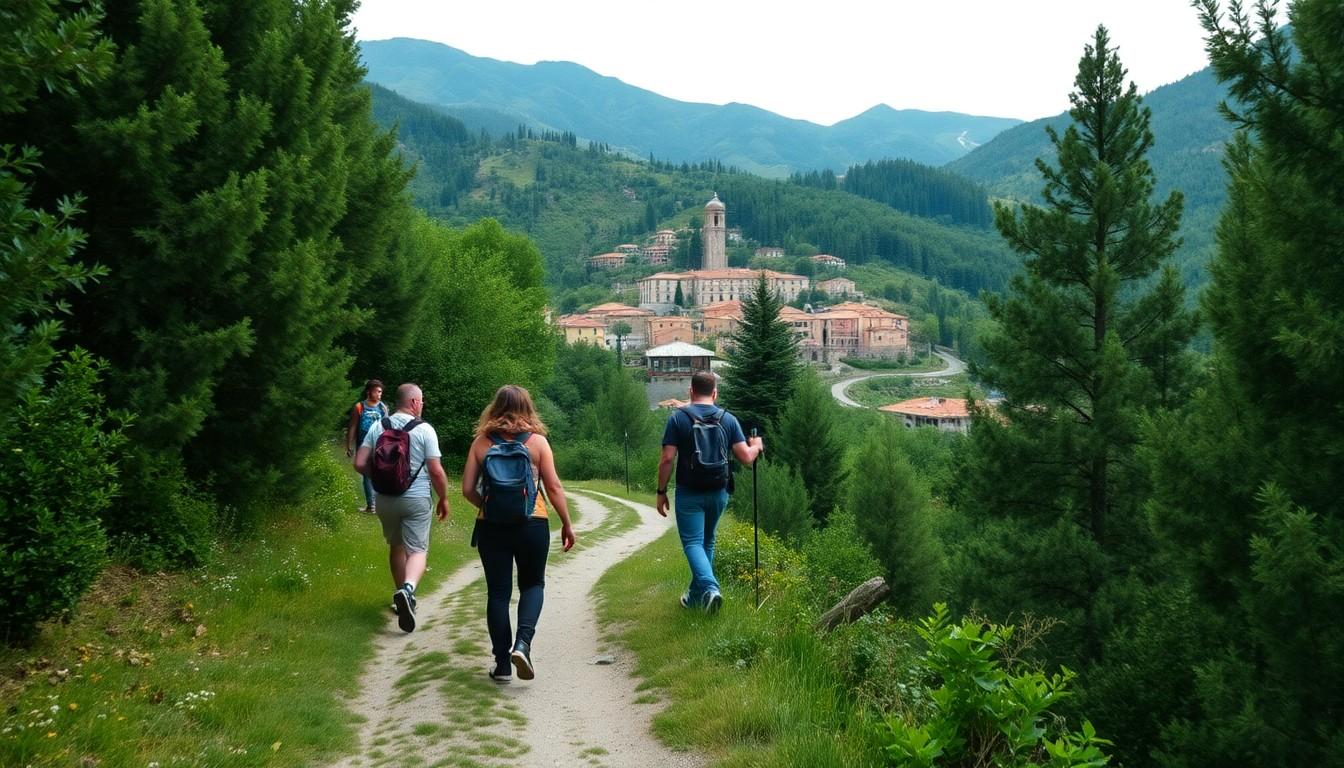
Travellers are looking beyond Spain's famous city breaks for LGBTQ+ escapes shaped by rural Pride, dramatic forests, volcanic coastlines and mountain villages. From Cantabria to the Canary Islands, these less obvious destinations offer a richer mix of community, nature and local culture, while giving visitors plenty of reasons to slow down and stay longer.
Essential Takeaways
- Spain remains a welcoming choice: It legalised same-sex marriage in 2005 and ranked joint first in the 2025 Spartacus Gay Travel Index, according to Spain's national tourism authority.
- Rural Pride is growing: Events in Cantabria, Galicia and the Sierra Norte region connect LGBTQ+ visibility with village life, music and outdoor activities.
- Nature is a major draw: Irati Forest, La Garrotxa and Ordesa y Monte Perdido offer woodland walks, volcanic scenery, waterfalls and dramatic mountain views.
- The coast brings contrast: Cabo de Gata-Níjar combines quiet beaches and coves with volcanic landscapes and UNESCO-recognised geological importance.
- Longer stays pay off: Travelling slowly leaves room for local food, craft traditions, unexpected villages and seasonal changes.
Spain's LGBTQ+ welcome reaches far beyond its cities
Spain's appeal for LGBTQ+ travellers isn't limited to Madrid's nightlife or Barcelona's beach bars. The country has built a strong reputation for inclusion, and its legal and social progress gives visitors a reassuring foundation for exploring more remote places. Spain ranked joint first in the 2025 Spartacus Gay Travel Index, according to Spain's tourism board, reinforcing its position as one of Europe's most comfortable destinations for queer travellers.
That wider welcome matters in the countryside, where community events can feel particularly personal. Rural Pride celebrations such as AgrOrgullo in Cantabria and Agrocuir da Ulloa in Galicia bring LGBTQ+ visibility into villages, farmland and local cultural life. They also offer a more textured travel experience, with regional food, music and traditions alongside the rainbow flags. (Sources: Spain's tourism authority, Spain's LGBTQ+ travel coverage.)
For visitors, the appeal is simple: a festival can become the starting point for a much broader trip. A day spent exploring waterfalls or traditional villages feels different when it's connected to the people and places who live there. (Sources: Spain's LGBTQ+ travel coverage.)
Rural Pride adds a new dimension to Spain holidays
In Cantabria, AgrOrgullo turns the countryside into a setting for celebration, with colourful tractors and a strong message of belonging. Nearby walks to the Lamiña waterfalls, distinctive mountain houses and warming bowls of cocido montañés make the surrounding area worth exploring at an unhurried pace. It's the kind of trip where lunch is not an afterthought but part of the itinerary.
Galicia offers a similar blend through Agrocuir da Ulloa, an August festival linking queer culture with sustainability, rural life, performance and music. These events challenge the familiar assumption that LGBTQ+ travellers must head to large cities to find community. Instead, they show how local identity and queer visibility can sit comfortably side by side. (Sources: Spain's LGBTQ+ travel coverage.)
If you're planning around a rural festival, book accommodation early and allow extra time around the event. Smaller communities often have fewer places to stay, while the best experiences may happen away from the official programme, in a village restaurant, a craft workshop or a conversation after a walk. (Sources: Spain's LGBTQ+ travel coverage.)
Trade crowded streets for Spain's great forests
The Irati Forest in Navarra offers a cooler, quieter version of the country, with beech and fir trees, walking routes and rural places to stay. Autumn is especially tempting, as the woodland turns copper and gold, although spring and summer bring their own rewards. It feels a world away from the standard image of Spain as bright plazas and hot beaches. (Sources: Spain's national tourism information.)
The Sierra Norte region near Madrid adds an outdoorsy twist to Pride through Orgullo Rural de la Sierra, held each May. Hiking sits alongside talks, exhibitions, music and film, making it an appealing option for travellers who want culture without giving up time outside. The Lozoya Valley and El Atazar reservoir extend the choice of activities beyond the festival itself. (Sources: Spain's LGBTQ+ travel coverage.)
La Garrotxa Volcanic Zone Natural Park in Catalonia offers perhaps the biggest surprise. Its volcanic cones, ancient lava flows and oak and beech forests create a landscape that feels far removed from Barcelona, yet it's close enough to fit into a wider Catalonia itinerary. The local Cuina Volcànica restaurant collective gives hungry walkers a very good reason to stay for lunch. (Sources: Spain's national tourism information.)
Choose the right landscape for your pace
For bigger scenery, Ordesa y Monte Perdido National Park in Aragón brings towering cliffs, wooded valleys and waterfalls. The useful approach here is to choose the walk before choosing the ambition. A gentle viewpoint can be just as memorable as a demanding hike, particularly when weather, heat and mountain conditions change quickly. (Sources: Spain's national tourism information.)
Travellers who prefer the sea can turn to Tenerife's La Tejita Beach, where volcanic scenery and an inclusive atmosphere come together beneath the distinctive Montaña Roja. Further east, Cabo de Gata-Níjar in Almería combines cliffs, beaches and sheltered coves with an unusually rugged geological backdrop. (Sources: Spain's LGBTQ+ travel coverage; Spain's tourism and UNESCO sources.)
Cabo de Gata-Níjar is also recognised as a UNESCO Global Geopark and Biosphere Reserve, adding real scientific and environmental interest to its beauty. Pack proper walking shoes, water and sun protection, even if the plan is simply to find a quiet beach. In landscapes this exposed, the sun can be less forgiving than the photographs suggest. (Sources: Spain's tourism information; UNESCO.)
Slow travel makes the culture easier to notice
The Alpujarra region near Granada is a good example of why staying longer can improve a trip. In villages such as Capileira, narrow streets and flat-roofed houses reflect the area's history, while nearby Bubión offers opportunities to learn about jarapas, colourful woven textiles traditionally made in the region. A small craft experience can provide a stronger memory than another hurried museum visit.
Season matters, too. Autumn suits forest walks and changing leaves, spring works well for village wandering, while winter can favour spa breaks and quieter rural stays. Spain's national parks and biosphere reserves aren't just add-ons to a city itinerary; they can form the centre of a holiday built around fresh air, regional cooking and a slower rhythm. (Sources: Spain's LGBTQ+ travel coverage; Spain's tourism and UNESCO sources.)
The most rewarding plan may be to choose one region and give it several days rather than collecting destinations at speed. Leave space for the unplanned trail, the village bakery and the meal you keep talking about afterwards. (Sources: Spain's LGBTQ+ travel coverage.)
Spain's best LGBTQ+ escapes may begin where the city lights end.
Source Reference Map
Story idea inspired by: [1]
Sources by paragraph: