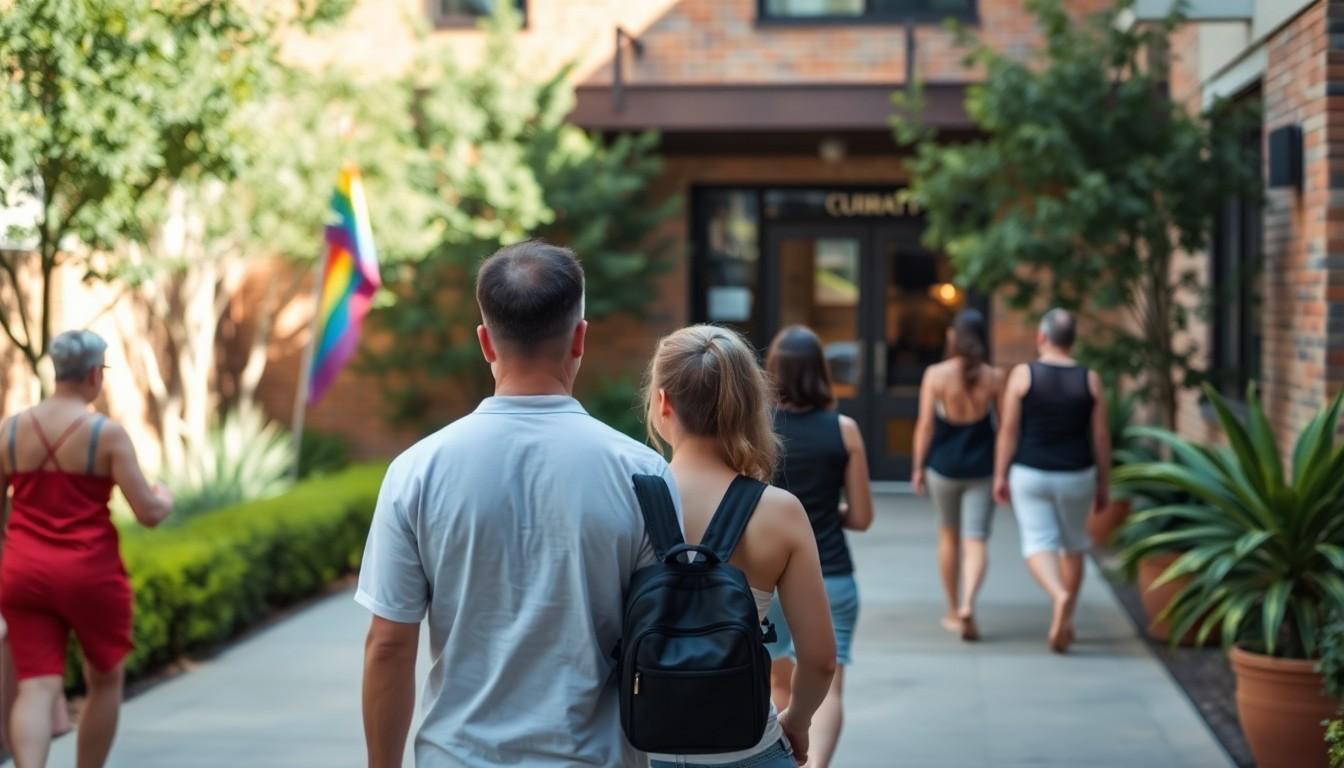
Readers are turning to ReNude Pride for a welcoming space where LGBTQ+ people can discuss non-sexual, legal nudity, body confidence and community. The latest reflection brings together personal history, queer identity and the simple comfort of feeling at ease in your own skin, with a warm reminder that confidence can look wonderfully different for everyone.
Essential Takeaways
- Community first: ReNude Pride presents body comfort as part of LGBTQ+ belonging and shared culture.
- A personal story: The site was created by an interracial same-gender couple who describe themselves as “bare practitioners”.
- Confidence matters: Phoenix Fellington is presented as an advocate and mentor for colleagues in the adult film industry.
- Consent and legality count: The message centres on choosing nudity only where it is comfortable, welcome and lawful.
- The tone is affirming: Its relaxed approach treats non-sexual nudity as ordinary, personal and potentially empowering.
A home for LGBTQ+ people who prefer less clothing
The strongest message is surprisingly simple: comfort matters. ReNude Pride frames nudity not as a spectacle, but as a personal practice that can help people feel more relaxed in their bodies and less burdened by judgement.
That distinction is important. For many LGBTQ+ people, conversations about the body can be tangled up with appearance, performance and social expectations. A space that says, in effect, “you can be yourself here”, offers a softer and more human alternative.
From private preference to shared community
The site’s founders describe their relationship and their preference for being clothes-free as part of the project’s original purpose. Their aim is to create an online home for LGBTQ+ people who also identify with naturism or other forms of legal, consensual nudity.
It’s a quietly radical idea. Rather than presenting one correct way to look, dress or live, the site makes room for people who feel most comfortable with fewer layers. That can be especially meaningful for readers who’ve rarely seen their experience reflected in mainstream queer spaces.
Why body confidence feels so personal
Phoenix Fellington is highlighted as a public-facing figure whose work includes advocacy and mentoring within the SGL film industry. The article connects his confidence in posing unclothed with a broader argument about body image and self-belief.
That doesn’t mean nudity works the same way for everyone. Some people find it freeing, while others prefer privacy, clothing or a carefully chosen setting. The useful takeaway is that confidence shouldn’t be measured by how much skin someone shows, but by whether the choice feels genuinely theirs.
Keeping comfort, consent and context in view
For anyone exploring naturism, the practical rules are refreshingly straightforward. Choose places where nudity is permitted, respect the comfort of everyone present and never assume that another person wants to participate. A beach, private home or organised naturist venue may have very different expectations, so checking first avoids awkwardness.
The same applies online. Images and personal stories should be shared with clear consent, while adult-industry content needs especially careful boundaries. ReNude Pride’s message works best when its emphasis on openness is matched by privacy, respect and good judgement.
A warmer definition of pride
The article’s wider contribution is cultural rather than prescriptive. It links LGBTQ+ history and community with the idea that people deserve to feel at home in their bodies, whether that means dressing boldly, dressing minimally or simply refusing to apologise for personal choices.
There’s something appealingly grounded about that outlook. Pride doesn’t always need to be loud; sometimes it looks like a quiet afternoon, trusted company and the relief of not having to hide. For readers interested in LGBTQ+ naturism, that may be the most valuable invitation of all.
Comfort is personal, but nobody should have to feel alone in finding it.
Source Reference Map
Story idea inspired by: [1]
Sources by paragraph: