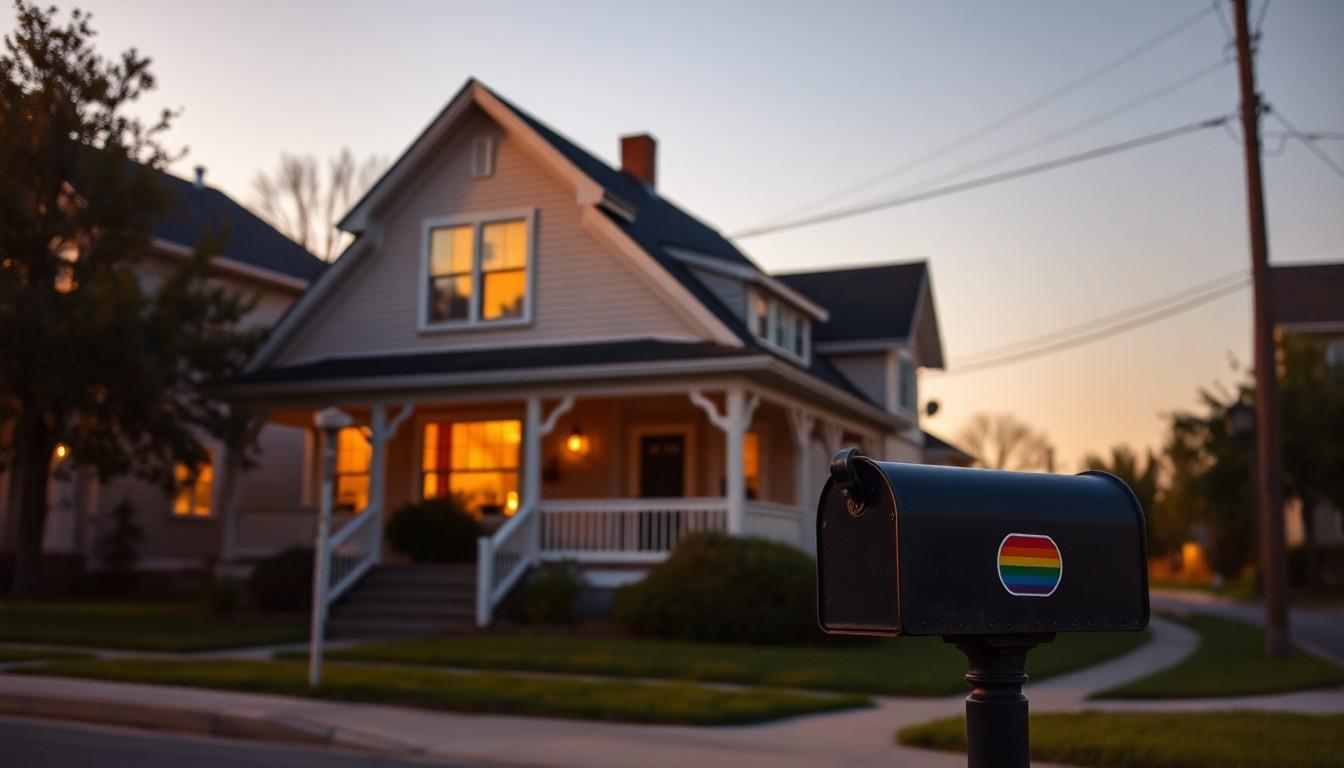
Viewers are revisiting Bewitched as more than a sparkling 1960s sitcom. Behind Samantha’s suburban magic lies a story about secrecy, chosen identity and the hope of building a loving home, making the classic series unexpectedly meaningful for LGBTQ+ audiences and anyone who grew up searching television for a reflection of themselves.
Essential Takeaways
- A secret at the centre: Samantha’s supernatural identity creates a world of concealment, discovery and social pressure.
- Queer readings endure: Fans have long interpreted the sitcom’s coded humour, camp and outsider themes through an LGBTQ+ lens.
- Uncle Arthur remains complicated: His flamboyant character offered visibility, but his comic treatment could also feel uncomfortable.
- The fantasy was domestic: The show imagined love, family and belonging inside an apparently ordinary suburban home.
- Old television can carry new meaning: Personal memories often reveal emotional details that weren’t clear when we first watched.
The magic was always about hiding in plain sight
For many viewers, Bewitched began as an after-school ritual: a familiar theme tune, a neat suburban house and Samantha Stevens twitching her nose before another impossible problem disappeared. Yet beneath the gentle comedy sat a remarkably persistent question: what happens when the person you love has a secret the outside world refuses to understand?
Samantha is a witch living among mortals, and her marriage to Darren depends on managing that difference. According to LGBTQ Nation, the sitcom’s supernatural premise has often been read as a metaphor for concealed identity, particularly because Samantha’s family life is warm and expansive while the mortal world is suspicious and restrictive.
That tension gives the series its emotional engine. Samantha isn’t ashamed of her abilities, but she’s repeatedly expected to suppress them, perform normality and keep the curtains closed. The joke lands because the audience knows the supposedly strange family is often kinder, wiser and more accepting than the ordinary people around them.
Why queer viewers recognise the suburb
Bewitched doesn’t present itself as LGBTQ+ television, of course. It arrived in a period when American network sitcoms rarely addressed queer lives openly, while British television was also shaped by strict limits around homosexuality and public representation. Research from the University of Sheffield shows just how heavily television culture was controlled by social attitudes and broadcasting conventions.
That’s why metaphor mattered. A witch, a magical family and a suburban couple constantly negotiating disclosure created room for viewers to recognise feelings that the programme never named. Queer Sci-Fi has explored why the show can feel queer, pointing to its outsider perspective, camp sensibility and fascination with characters who refuse to fit comfortably into one approved version of normal.
There’s something powerful in being invited to laugh with the secret rather than at it. The audience knows Samantha’s world is full of possibility, while the neighbours and colleagues remain trapped by their own narrow assumptions. For a young viewer still trying to understand themselves, that reversal could feel like a small, glittering act of solidarity.
Uncle Arthur offers visibility, but not uncomplicated comfort
Paul Lynde’s Uncle Arthur is one of the show’s most memorable figures, bringing a theatrical, mischievous energy that sits far outside the polished suburban ideal. Fan discussions collected by Fanlore underline how strongly viewers continue to debate the character, his performance and the broader fan culture surrounding Bewitched.
Today, his campy manner can look like an early form of queer visibility. But representation isn’t automatically reassuring, especially when a character’s difference is used mainly to trigger laughter. LGBTQ Nation has also examined the coded gay humour around classic sitcoms, showing how these performances could be both recognisable and limiting.
That contradiction matters. A closeted boy might see a glimpse of himself in Uncle Arthur, then recoil because the character appears to confirm every fear about being noticed. Visibility can be a lifeline, but it can also come with a warning label. Television history is full of characters who opened a door while making viewers nervous about what might be waiting behind it.
The real fantasy was a loving home
The most affecting part of Bewitched isn’t necessarily the magic. It’s the domestic promise: a couple sharing a home, building a family and surviving the disapproval of relatives, neighbours and employers without giving up on one another.
Samantha’s mother may object, Darren’s boss may be suspicious and Mrs Kravitz may keep peering over the fence, but the central relationship remains remarkably durable. The household becomes a private world where love can exist even when public acceptance is fragile. That idea has particular resonance for LGBTQ+ audiences, many of whom have had to imagine family on their own terms.
The Gloucester museums’ discussion of Bewitched’s LGBTQ+ appeal shows that the series still prompts this kind of cultural conversation decades after its debut. It also explains why the show can feel larger than its premise. The magic is decorative; belonging is the real special effect.
What modern viewers can take from Bewitched
Watching the series now means holding several truths at once. It was a product of its era, with dated jokes and narrow assumptions, but it also gave viewers a sympathetic outsider, a loving partnership and a fantasy of acceptance that reached beyond the script.
For anyone choosing the best classic sitcoms for queer television history, Bewitched belongs in the conversation alongside shows that used allegory, coded humour or unconventional families to make space for people rarely represented directly. It may not have offered an explicit LGBTQ+ storyline, yet its emotional vocabulary remains familiar: hide the truth, protect the household, hope the people you love will stay.
That’s why an old rerun can suddenly feel personal. Sometimes we don’t understand what television gave us until years later, when the nose twitch, the nervous laugh and the carefully managed secret finally line up.
It's a small piece of television magic, but it can still help viewers feel less alone.
Source Reference Map
Story idea inspired by: [1]
Sources by paragraph:
- Paragraph 1: [2], [5]
- Paragraph 2: [2], [6]
- Paragraph 3: [3], [5]
- Paragraph 4: [4], [7]
- Paragraph 5: [2], [3]
- Paragraph 6: [5], [6]
- Paragraph 7: [3], [4]
- Paragraph 8: [2], [5]
- Paragraph 9: [4], [6]
- Paragraph 10: [3], [7]
- Paragraph 11: [2], [4]
- Paragraph 12: [5], [6]
- Paragraph 13: [3], [4]
- Paragraph 14: [2], [5]