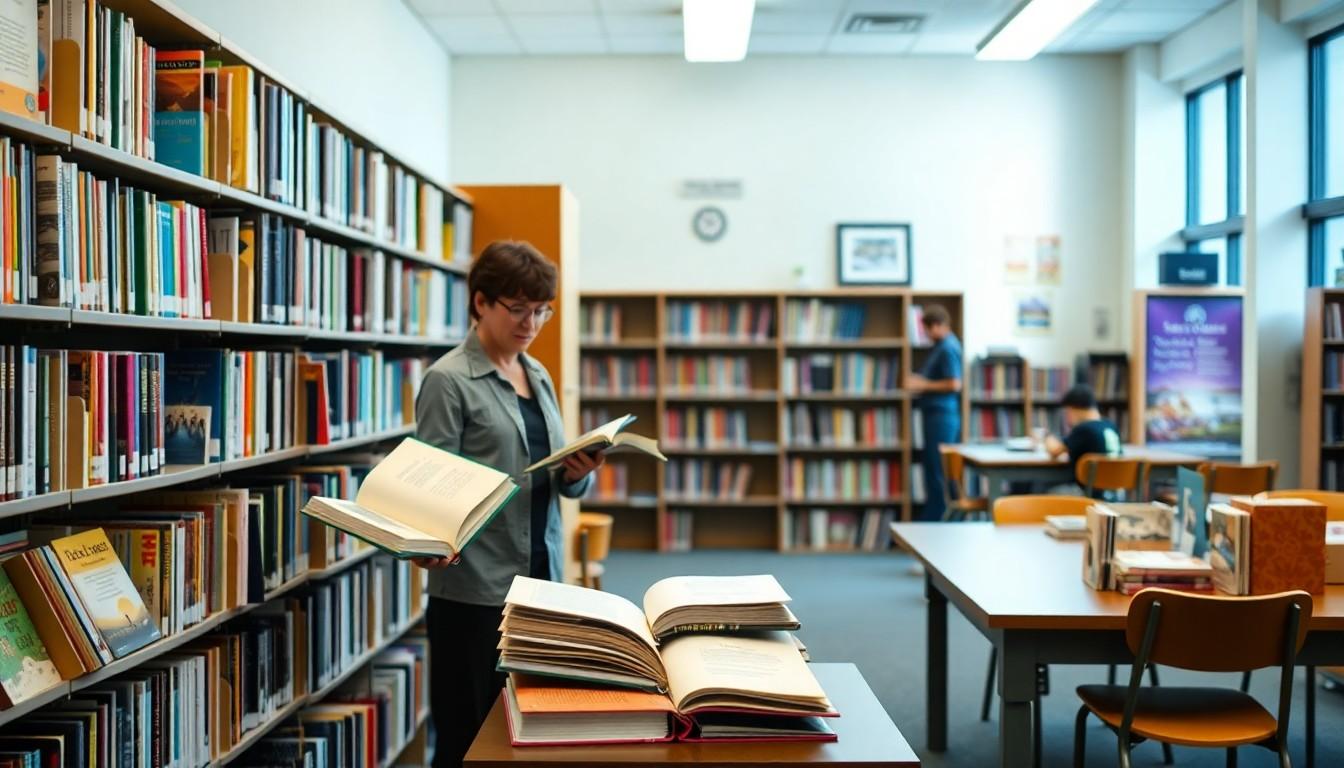
Librarians and artists are finding fresh ways to put affirming books into children’s hands, especially as access to inclusive stories faces growing pressure. Cassy Lee’s work sits at that lively crossroads of comics, education and reading freedom, showing why school libraries remain welcoming spaces where young readers can feel seen, curious and safe.
Essential Takeaways
- Representation matters: Inclusive books can help children recognise their own experiences and understand lives different from theirs.
- Comics have real power: Visual storytelling can make difficult subjects more approachable, memorable and emotionally direct.
- Libraries are active spaces: School librarians do more than organise shelves. They help young people discover ideas and identities.
- Reading freedom needs support: Protecting access to a broad range of books is an ongoing educational and cultural task.
- The right book can linger: A thoughtful story may offer comfort, language or reassurance long after it has been returned.
School libraries are more than rows of books
A school library can feel wonderfully ordinary: the papery hush, the bright covers, the small thrill of finding a title that seems to call your name. But for many children, it can also be one of the few places where they encounter stories that reflect their families, identities or private worries.
That makes affirming books especially valuable. They aren't simply decorative additions to a collection. They can give readers language for feelings they haven't yet managed to explain, while helping classmates approach unfamiliar experiences with greater empathy.
Lee's work brings that idea into sharp focus. As a librarian and comics artist, she operates between the practical world of putting books in children's hands and the creative work of using visual narrative to explore healing, education and human connection.
Why comics can make difficult subjects easier to approach
Comics often get treated as a quick or less serious form of reading, but that view feels increasingly outdated. A panel can show a pause, a facial expression or a change in atmosphere instantly, giving young readers visual clues that prose might take longer to build.
That combination of image and text can be particularly helpful when a story touches on trauma, identity or complicated emotions. Readers can move at their own pace, linger over a page or return to a single image that captures something they recognise.
Lee's academic background in comics at the California College of the Arts reflects the growing understanding that graphic storytelling belongs in serious conversations about literature and learning. The form isn't a shortcut. Often, it's another route into ideas that might otherwise feel intimidating.
The quiet work behind reading freedom
Protecting the freedom to read rarely looks dramatic from the outside. More often, it involves a librarian making a careful selection, answering a parent's question, recommending a title or ensuring that a child can browse without feeling watched.
That steady work matters because collections shape what feels possible. When shelves include books about different cultures, families, bodies and identities, they send a practical message: there is room here for more than one kind of life.
School Library Journal has long reflected the importance of thoughtful selection and professional guidance in children's reading. The challenge is balancing age suitability and educational value without reducing young readers to a narrow list of supposedly acceptable experiences.
Art, education and healing meet on the page
Lee's wider interests show how closely creative practice can connect with emotional wellbeing. Her work explores visual narrative as a way to process trauma, an approach that recognises stories as more than entertainment.
That perspective is also visible across graphic medicine, where comics are used to communicate experiences of illness, care and recovery. The format can make personal accounts feel immediate without flattening them into simple lessons.
For young readers, that emotional honesty can be reassuring. A book doesn't need to solve a problem to be useful. Sometimes it simply helps a child realise that a confusing feeling has been experienced by someone else, too.
How adults can choose more affirming books
Parents, carers and educators can start by looking beyond labels and asking what a book offers its reader. Does it show a child being accepted? Does it make room for different families and identities? Does it treat a character as a whole person rather than turning difference into the plot's only feature?
It also helps to offer variety. Some children will want a gentle picture book, while others may prefer a funny graphic novel, a memoir-inspired story or a fantastical adventure with inclusive characters woven naturally into the world.
Reviews from trusted library and comics publications can help adults discover suitable titles, but a young reader's response matters too. The best recommendation often begins with a simple question: what kind of story would feel good to read today?
A small shelf can hold a big welcome
The future of affirming school libraries will depend on librarians, educators, families and readers continuing to defend broad access to books. That work may be quiet, but its effects can be lasting.
A well-chosen story won't speak for every child, and it doesn't need to. It only needs to reach the right reader at the right moment and make the library feel a little more like somewhere they belong.
Choose books that leave room for every young reader to see themselves.
Source Reference Map
Story idea inspired by: [1]
Sources by paragraph: