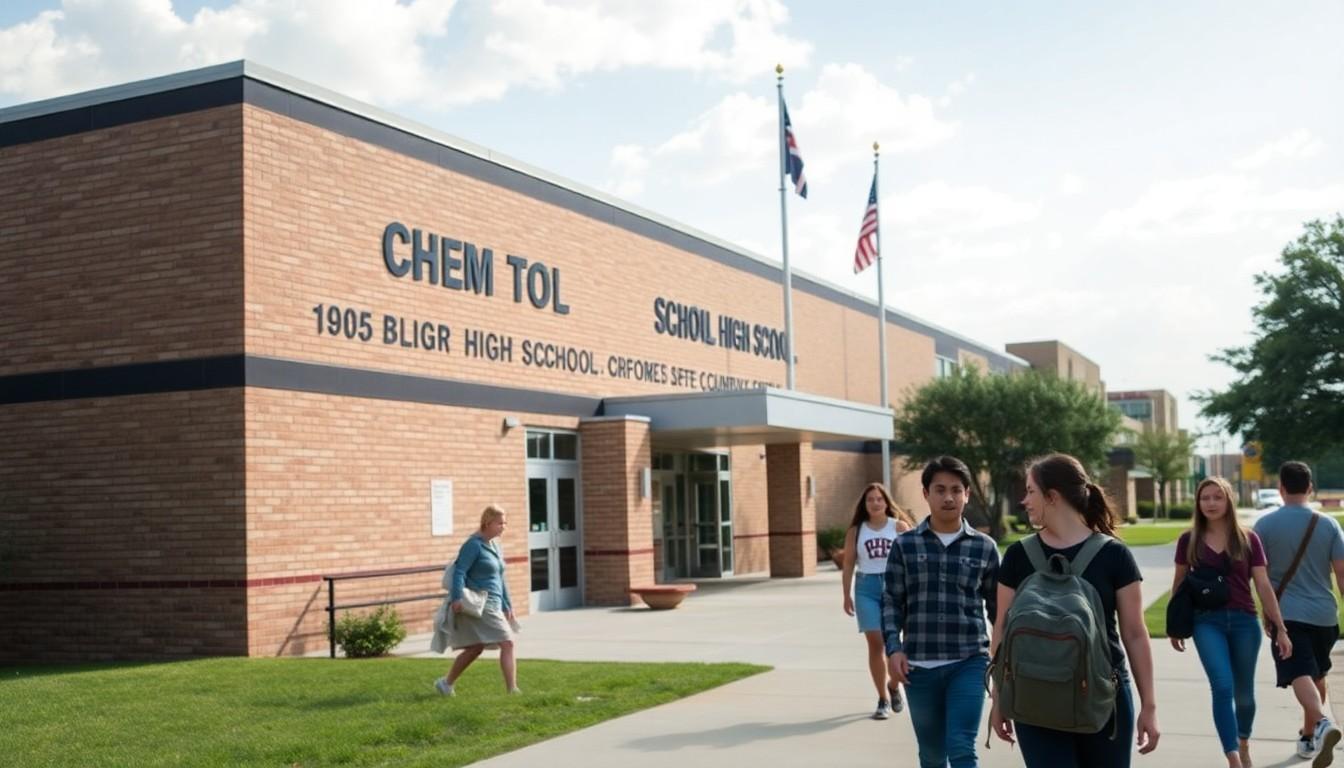
Transgender and gender-nonconforming students in Texas are navigating a tougher school climate as state and federal protections change. For LGBTQ+ Latino and immigrant families, advocates say the stakes are especially high, with schools under pressure to protect every pupil from bullying, exclusion and fear.
Essential Takeaways
- Thousands are affected: Texas is home to an estimated 123,000 transgender people, including about 30,000 teenagers.
- Rules are shifting: Federal guidance protecting gender identity has been withdrawn, while Texas continues to enforce restrictive policies.
- Safety overlaps: Advocates say trans and immigrant students often face similar worries about surveillance, discrimination and a lack of protection.
- Schools matter: Supportive policies, clubs and trained staff can make classrooms feel safer and more welcoming.
- Resources are growing: Familia: Trans Queer Liberation Movement combines organising, education and community support.
Texas schools are becoming a flashpoint
For many students, school should be a place for noisy friendships, awkward first discoveries and the comforting routine of a timetable. But trans and gender-nonconforming pupils in Texas are increasingly being asked to navigate policies that can make those ordinary experiences feel precarious.
The numbers help show the scale. Around 123,000 transgender people are estimated to live in Texas, including roughly 30,000 aged 13 to 17. That means the debate isn't abstract or confined to state politics. It touches classrooms, changing rooms, corridors and lunch tables. Related legal analysis from LegalClarity describes a patchwork of restrictions affecting transgender rights across the state. [4]
The consequences can also travel beyond the pupils directly involved. A child may have a trans friend, sibling or classmate, and their sense of safety can be affected too. That's why advocates argue that inclusive school policies benefit the whole school community, not just one group.
Why trans and immigrant students face connected pressures
Familia: Trans Queer Liberation Movement works at the intersection of LGBTQ+ rights, racial justice and immigrant advocacy. Its mission and programmes focus on building collective power and supporting trans and queer Latinx communities, rather than treating identity, race and immigration status as separate issues. [2] [3]
That overlap matters in Texas, where families may be concerned about both anti-trans policies and immigration enforcement. A student who is already worried about being singled out because of gender identity may also fear what increased official scrutiny could mean for their family.
The organisation's work reflects a wider shift in advocacy. Community groups are increasingly asking schools to think about safety in broad terms, including privacy, protection from harassment, access to support and clear limits on outside enforcement activity. It's a practical approach, even if the politics around it remain heated.
Federal protections have changed again
The US Department of Education has rescinded the 2024 Title IX regulation that expanded protections to include sexual orientation and gender identity, returning to the 2020 framework. Texas had not adopted the 2024 rule, but the federal change still adds uncertainty for families and educators trying to understand what protections apply.
At state level, the direction has been similarly restrictive. The Texas Tribune has reported on bills targeting LGBTQ+ and transgender people, while Axios reported that Governor Greg Abbott signed a bathroom bill into law in 2025. Together, these developments reinforce the sense that schools are operating in a fast-moving legal environment. [5] [6]
For parents, the language of legislation can feel distant. The everyday question is much simpler: can a student use facilities safely, report bullying confidently and take part in school life without being treated as a problem?
Comics can make a complicated fight easier to understand
Familia's comic, "Barrio Scholars: No ICE or Transphobia on Campus", tells the story of students challenging their school board over immigration enforcement and support for gender-affirming clubs. Using a comic format gives young people and families a way into an issue that can otherwise be buried beneath legal terminology.
It also preserves the human side of the debate. The project is dedicated to Jocelynn Rojo and Nex Benedict, whose deaths after bullying have become painful reminders of the consequences of hostile school environments. The comic isn't a substitute for policy, but it can help students recognise that their experiences are shared and that organising is possible.
That educational and cultural work sits alongside Familia's broader national organising. The group has brought together trans and queer Latinx activists from across the United States, highlighting the importance of shared strategies and mutual support. [7]
What can make a school safer?
Schools can't control every change in state or federal law, but they can take practical steps. Clear anti-bullying procedures, confidential reporting routes, staff training and access to trusted counsellors all help. So do student groups that allow young people to find friendship without having to explain or defend their identity every day.
Families should also look for the details behind a school's public statements. Is there a named safeguarding contact? Are complaints handled privately? Does the school explain how it protects students from harassment? A warm welcome is encouraging, but clear procedures are what matter when something goes wrong.
Organisations such as Familia offer another route to information and community support through their programmes and advocacy work. Its approach is a useful reminder that safety is rarely created by one policy alone. It comes from consistent action, listening and the willingness to treat every pupil as part of the school community. [2] [3]
A safer school benefits the whole community, one ordinary school day at a time.
Source Reference Map
Story idea inspired by: [1]
Sources by paragraph: