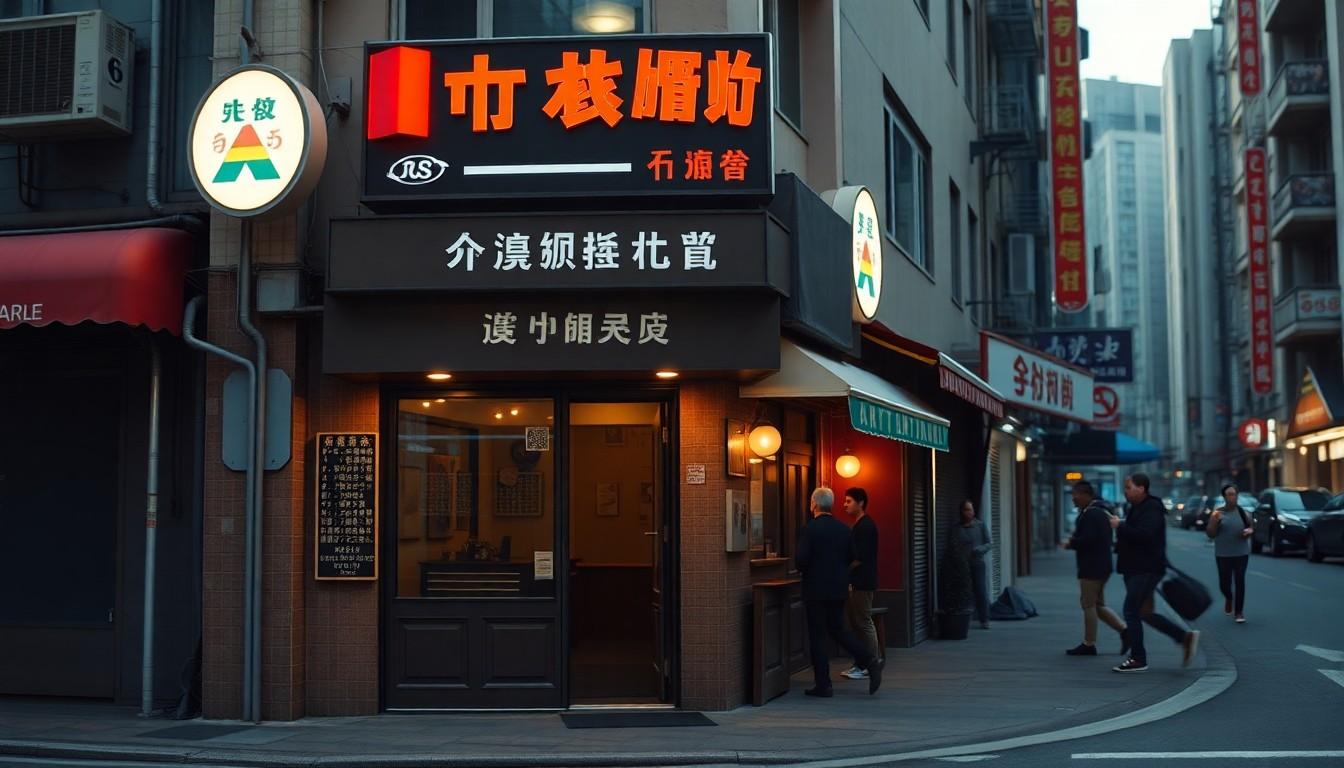
Travellers and LGBTQ communities across Southeast Asia are reassessing Taiwan's reputation as a welcoming destination after a rare police raid on a Taipei gay bar. The incident, which reportedly involved inappropriate remarks and allegations of discrimination, has prompted concern about privacy, policing and whether legal equality always guarantees everyday safety.
Essential Takeaways
- A rare raid: Police searched a well-known Taipei LGBTQ venue, triggering protests and international attention.
- Disciplinary action: Taipei authorities said an officer was punished over inappropriate conduct.
- Tourist concern: Some Southeast Asian LGBTQ travellers say they'll be more cautious when visiting nightlife venues.
- Reputation at stake: Taiwan's image as one of Asia's most LGBTQ-friendly destinations could suffer if the response is seen as inadequate.
- Bigger question: Marriage equality and progressive laws don't automatically mean every LGBTQ person feels safe in practice.
A police raid has shaken Taiwan's welcoming image
Taiwan has spent years building a reputation as one of Asia's most LGBTQ-friendly destinations. That image now feels less secure after police searched a popular gay bar in Taipei, an incident that has travelled quickly through regional LGBTQ networks and international media.
The controversy isn't only about what happened inside the venue. For visitors, a police search can raise immediate fears about privacy, exposure and whether a night out might suddenly become a public ordeal. Those concerns feel especially sharp in a bar where customers may expect discretion. Reuters and regional reports described the raid as unusual, with protests following soon afterwards.
Taipei's mayor, Chiang Wan-an, said officials should strengthen police discipline and prevent discriminatory behaviour by officers. Authorities also said an officer's inappropriate words or conduct had already resulted in punishment, according to Focus Taiwan.
Why Southeast Asian travellers are paying attention
For many LGBTQ travellers in Southeast Asia, Taiwan has represented a relatively safe and open option. The contrast matters because several countries in the region remain socially conservative, while some LGBTQ people still face hostility, legal uncertainty or family pressure at home.
A Thai traveller planning to visit Taiwan told Central News Agency that the incident wouldn't cancel his trip, but he would approach gay bars more carefully. That reaction is revealing. People may still want to visit, yet feel they need to think about where they go, how visible they are and what might happen if police arrive.
Coverage in the Straits Times and AsiaOne shows how quickly the story has moved beyond Taiwan's domestic debate. It has become a regional travel question: if a destination is advertised as LGBTQ-friendly, what should visitors reasonably expect from its police, venues and public institutions?
Marriage equality is progress, but it's not the whole story
Taiwan became the first place in Asia to legalise same-sex marriage in 2019, a landmark change that helped establish its international reputation. Taipei's Pride events have also drawn visitors from across the region, turning the city into both a cultural meeting point and a major LGBTQ travel destination.
But legal recognition and lived experience aren't identical. A country can offer marriage rights while people still encounter prejudice, clumsy enforcement or discomfort in everyday spaces. That gap is precisely what campaigners say the bar raid has brought back into focus.
APCOM executive director Midnight Poonkasetwattana warned that the incident could undermine Taiwan's carefully built reputation if it isn't handled swiftly and transparently. The concern is less about pretending one event defines an entire country, and more about whether institutions respond in a way that rebuilds trust.
What LGBTQ visitors should consider before travelling
The episode doesn't mean travellers should avoid Taiwan. It does suggest that visitors may want to take the same sensible precautions they would anywhere: check recent venue updates, use established LGBTQ-friendly businesses, keep personal documents secure and understand how local authorities handle complaints.
Privacy is another practical consideration. Travellers who are not open about their sexuality at home may want to ask venues how they manage identification, photography and police requests. A discreet venue with clear house policies can make a noticeable difference, especially for visitors travelling alone.
For now, Taiwan's upcoming Pride season will be closely watched. Campaigners say the government and local LGBTQ groups should work together to reassure residents and overseas visitors that nightlife spaces are safe, respectful and free from discrimination.
The response could shape Taiwan's next chapter
The strongest message from activists is that reputation depends on action, not simply on past achievements. Taiwan remains more progressive than many Asian destinations on LGBTQ rights, but visitors will judge the country by what happens when something goes wrong.
A Filipino resident of Bangkok told Central News Agency that the incident made him question whether marriage equality always reflects genuine social acceptance, or whether LGBTQ tourism can sometimes be treated mainly as an economic opportunity. It's an uncomfortable question, but an important one.
Taiwan still has an opportunity to respond clearly, support the affected venue and show that its LGBTQ-friendly identity is more than a marketing line. For travellers, that reassurance could matter just as much as the legal milestones that made the country famous.
It's a small distinction with a big consequence: equality needs to be felt on the ground, not just read in the headlines.
Source Reference Map
Story idea inspired by: [1]
Sources by paragraph:
- Paragraph 1: [3], [6]
- Paragraph 2: [2], [4]
- Paragraph 3: [5], [7]
- Paragraph 4: [3], [6]
- Paragraph 5: [2], [4]
- Paragraph 6: [5], [7]
- Paragraph 7: [3], [6]
- Paragraph 8: [2], [4]
- Paragraph 9: [5], [7]
- Paragraph 10: [3], [6]
- Paragraph 11: [2], [4]
- Paragraph 12: [5], [7]
- Paragraph 13: [2], [3]
- Paragraph 14: [4], [5]
- Paragraph 15: [6], [7]