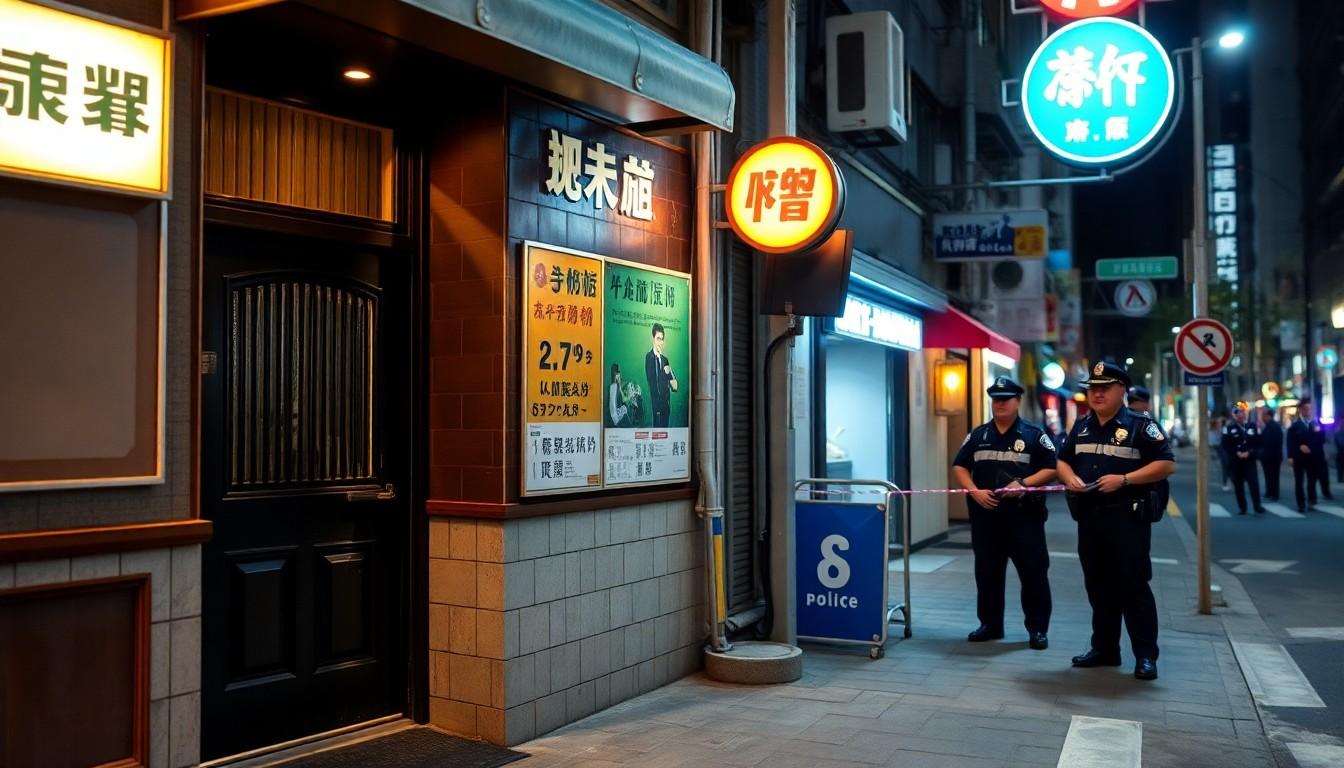
Taipei's LGBTQ+ community is questioning what equal treatment looks like after a high-profile bar search in Ximending triggered accusations of discriminatory policing. As the city's mayor apologises and a mayoral candidate calls for deeper reform, the dispute has become a wider test of Taipei's promise to be welcoming, diverse and safe for everyone.
Essential Takeaways
- The incident: Police searched a well-known LGBTQ+ bar in Taipei's Ximending district after a complaint alleging indecent conduct.
- The controversy: Critics say the operation's manner raised concerns about unequal or stigmatising enforcement.
- The response: Taipei Mayor Chiang Wan-an apologised and called for stronger guidance on police conduct.
- The wider issue: Advocates want clear legal standards, respectful procedures and safeguards against repeat incidents.
- Why it matters: A city's reputation for inclusion is judged in everyday encounters, not only during Pride events.
A routine complaint becomes a public test
The strongest reaction has centred not simply on whether police were entitled to investigate, but on how they carried out that investigation. According to Focus Taiwan, the search quickly became a flashpoint after footage and public criticism raised questions about whether officers had treated the venue differently because of its LGBTQ+ identity.
That distinction matters. Law enforcement must respond when there is credible evidence of wrongdoing, but a lawful purpose doesn't automatically make every method acceptable. As Taipei Times reported, the dispute has prompted renewed scrutiny of police training, proportionality and the way officers communicate with people from communities that have experienced discrimination. [2], [3]
For customers and staff, the emotional impact can be immediate. A uniform, a pointed question or a public search may feel very different in a venue where people already worry about being judged or exposed. In that setting, procedure isn't a dry technicality; it can shape whether people feel safe returning at all. [4], [6]
Why the police response drew such sharp criticism
The controversy intensified after the Wanhua police district initially rejected claims of improper conduct, before acknowledging concerns following the emergence of relevant footage and an investigation. CNA reported that the changing official response added to public frustration and made transparency a central part of the debate. [5]
Community members and rights groups have argued that authorities should explain the legal basis for an operation clearly, while also recognising the difference between investigating suspected offences and treating an entire venue as inherently suspect. Forumosa discussions reflected the unease, with commenters debating both the police powers involved and the perceived double standard. [4]
That is why the phrase "依法執法", or enforcing the law according to the law, hasn't ended the argument. The public is also asking whether officers used a measured approach, whether people were treated with dignity and whether the same tactics would have been used elsewhere. [2], [5]
Taipei's mayor apologises as scrutiny grows
Mayor Chiang Wan-an has apologised and instructed the police department to strengthen discipline and training. The response is an important acknowledgement, although an apology alone won't settle questions about accountability, oversight or future practice. [3], [6]
The case has also attracted international attention, putting Taipei's progressive image under an uncomfortable spotlight. Taiwan is widely seen as a leader on LGBTQ+ rights in Asia, but legal milestones don't automatically erase prejudice from daily life. A city can celebrate diversity publicly while still leaving people anxious in more ordinary encounters with authority. [6], [7]
That gap between reputation and experience is where the story feels most revealing. Pride flags make a powerful statement, but trust is built in quieter places: at a police counter, during an inspection or when someone decides whether it's safe to be visible. [7]
A mayoral candidate calls for more than an apology
Democratic Progressive Party Taipei mayoral candidate Shen Bo-yang said he understood why LGBTQ+ residents were distressed and argued that lawful enforcement must still be open to examination. He called for stronger systems to prevent similar events and said Taipei's commitment to inclusion should be present throughout the year, not only during the city's Pride parade. [2], [3]
His comments shift the discussion from one controversial search to a broader question of city governance. What training do officers receive? Who reviews complaints? Are there consistent rules for entering nightlife venues? And can residents challenge decisions without feeling that they are placing themselves under further scrutiny? [5], [7]
Those questions are practical, not symbolic. Clear protocols, body-camera review, independent complaint channels and regular anti-discrimination training could give both officers and the public a firmer understanding of where the boundaries lie. For venue owners, transparent guidance would also make it easier to cooperate with legitimate investigations without feeling singled out. [3], [6]
What a genuinely inclusive city looks like
Taipei's next step will be judged by what changes after the headlines fade. Police departments can publish findings, explain procedures and show how lessons have been applied, while city officials can involve LGBTQ+ organisations in designing training and oversight. That kind of follow-through is less dramatic than a public apology, but far more reassuring. [5], [7]
For residents, the central issue is simple: equal protection should not depend on whether someone is in a mainstream bar, a queer venue or any other public space. As the debate has shown, a city feels inclusive when people can expect fair treatment without having to prove that they belong there first. [4], [6]
The case has left Taipei with a difficult but useful challenge. Its reputation for diversity now needs to be matched by everyday policing that is calm, consistent and visibly respectful. [2], [7]
A welcoming city is built through ordinary encounters, one respectful decision at a time.
Source Reference Map
Story idea inspired by: [1]
Sources by paragraph: