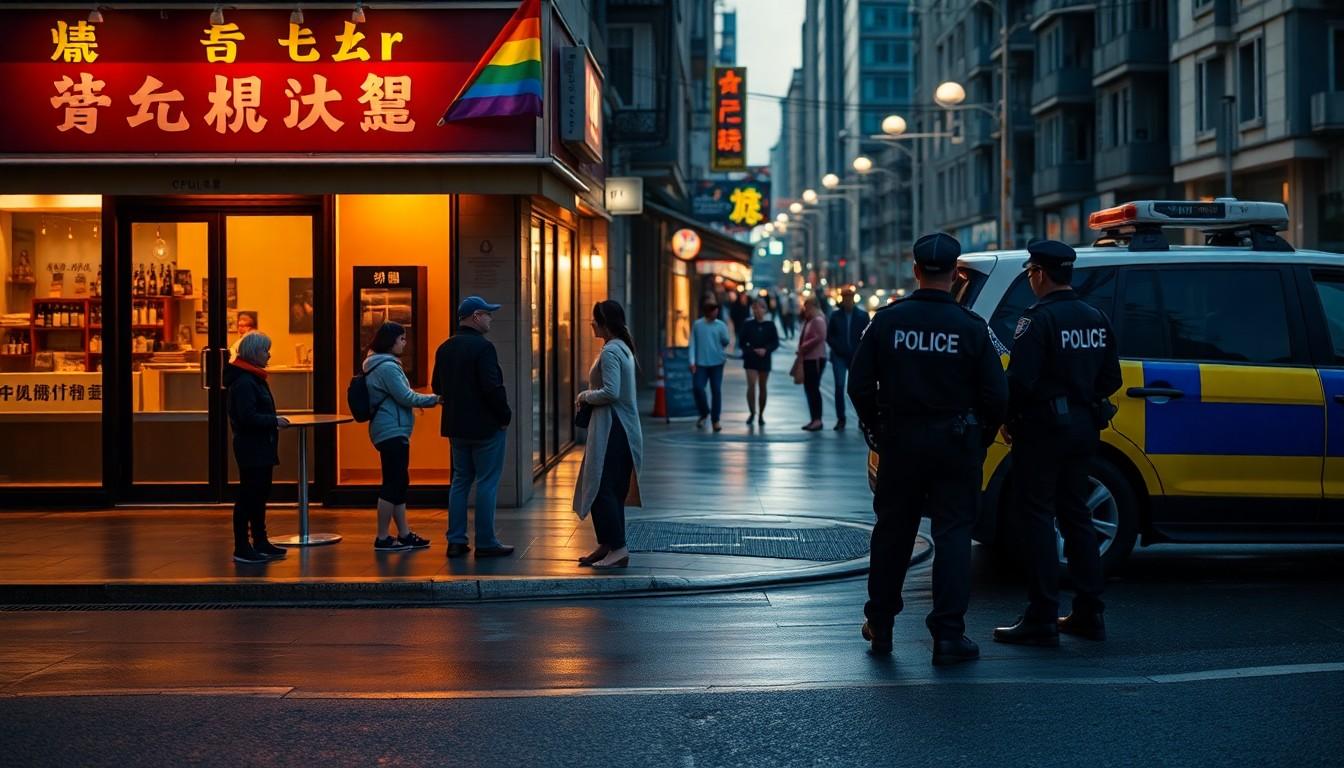
Campaigner Shen Po-yang says Taipei's LGBTQ-friendly reputation must reach every police encounter, not just Pride, after a raid on a Wanhua gay bar triggered accusations of excessive enforcement and discrimination. The dispute has put dignity, proportionality and public trust back at the centre of the city's political conversation.
Essential Takeaways
- A disputed raid: Police action at a Wanhua LGBTQ bar has prompted claims that officers crossed the line during enforcement.
- An apology: Taipei Mayor Chiang Wan-an expressed regret, while an officer was reprimanded over insulting a disabled person.
- The bigger question: Legal authority doesn't automatically settle whether the way it was used was proportionate.
- A test for Taipei: Advocates say inclusion must be visible in everyday institutions, not only during Pride events.
Taipei's LGBTQ-friendly image is facing a real-world test
The argument isn't simply about whether police can inspect a venue. It centres on how that power is exercised, and whether people leave feeling protected or humiliated. Coverage of the incident has drawn attention from rights groups and overseas observers, according to Focus Taiwan and other reports cited by regional media.
The venue is in Wanhua, a district with a lively nightlife scene and a long association with Taipei's more alternative communities. That makes the episode especially sensitive: a city can promote itself as welcoming, but residents judge inclusion in quieter, more personal moments, often under the harshest fluorescent light.
Shen Po-yang, a Democratic Progressive Party candidate for Taipei mayor, said the city shouldn't display diversity only during its annual Pride parade. As reported by Taipei Times, he argued that equal treatment needs to be present in police work, government procedures and ordinary daily life.
What happened during the police operation?
The police have said their checks had a legal basis, but the conduct of officers became the central controversy. Initial denials reportedly gave way to an acknowledgement that aspects of the enforcement were inappropriate after footage and an investigation brought the details into sharper focus, according to reports reviewed by Focus Taiwan and Taiwan-based outlets.
The incident also included an allegation that a disabled person was insulted, leading to disciplinary action against an officer. Mayor Chiang apologised and said he was sorry about what happened, a response that has done little to quiet questions about supervision and accountability.
That distinction matters. Police need authority to investigate suspected wrongdoing, but authority isn't a blank cheque. The practical test is whether the operation was necessary, conducted within clear limits and carried out without degrading the people involved.
Why proportionality matters beyond this one bar
Shen has said the issue isn't whether lawful enforcement should be respected. Rather, the manner of enforcement still needs examination, particularly when a community has a long history of stigma and being treated as suspect.
That concern has also appeared in public discussion online, where the raid has been framed as a test of Taipei's LGBTQ credentials. Forumosa discussion and commentary from Sidetrack highlighted the gap between a city's inclusive branding and the experience of people facing state power in a private venue.
For LGBTQ communities, small gestures can carry unusual weight. A remark, search or public accusation may feel less like an isolated mistake and more like a reminder of older discrimination. That doesn't remove the need to investigate crime, but it does raise the standard for respectful, evidence-led policing.
How should officials rebuild trust?
The clearest next step is transparency. People should be able to understand the legal basis for an operation, the limits placed on officers and what safeguards were in place for privacy, disability and dignity. Independent review, clear body-camera procedures and meaningful training could help turn general promises into something residents can actually see.
Officials also need to avoid language that paints an entire venue, neighbourhood or community with the same brush. Shen has urged the mayor and Kuomintang legislators not to spread unverified claims about drugs, warning that careless allegations can stigmatise both the public and frontline workers.
The political stakes are obvious, especially with Taipei's next mayoral contest approaching. But the human stakes are more immediate. People shouldn't have to calculate whether being open about who they are might make an ordinary interaction with public authorities feel dangerous.
Pride messaging means little without everyday safeguards
Taipei's Pride events are highly visible and help project a modern, open city. Yet the raid has exposed the less photogenic work required to support that image: better oversight, respectful language, accessible procedures and consequences when officers fail to meet the standard.
That is why this episode has resonated beyond one nightlife venue. As reporting and public commentary from Taiwan's media ecosystem suggest, the question is whether inclusion is treated as a slogan or built into the routines of government.
A truly welcoming city doesn't merely invite people in. It gives them reason to believe they can live, work and socialise without being singled out because of their identity.
It's a small-sounding standard, but it can shape whether public trust survives the next difficult encounter.
Source Reference Map
Story idea inspired by: [1]
Sources by paragraph:
- Paragraph 1: [2], [3]
- Paragraph 2: [4], [6]
- Paragraph 3: [2], [3]
- Paragraph 4: [3], [5]
- Paragraph 5: [2], [4]
- Paragraph 6: [5], [7]
- Paragraph 7: [3], [6]
- Paragraph 8: [2], [3]
- Paragraph 9: [4], [6]
- Paragraph 10: [3], [5]
- Paragraph 11: [2], [7]
- Paragraph 12: [3], [6]
- Paragraph 13: [2], [4]
- Paragraph 14: [5], [7]
- Paragraph 15: [2], [3]
- Paragraph 16: [4], [6]
- Paragraph 17: [2], [3]
- Paragraph 18: [5], [7]