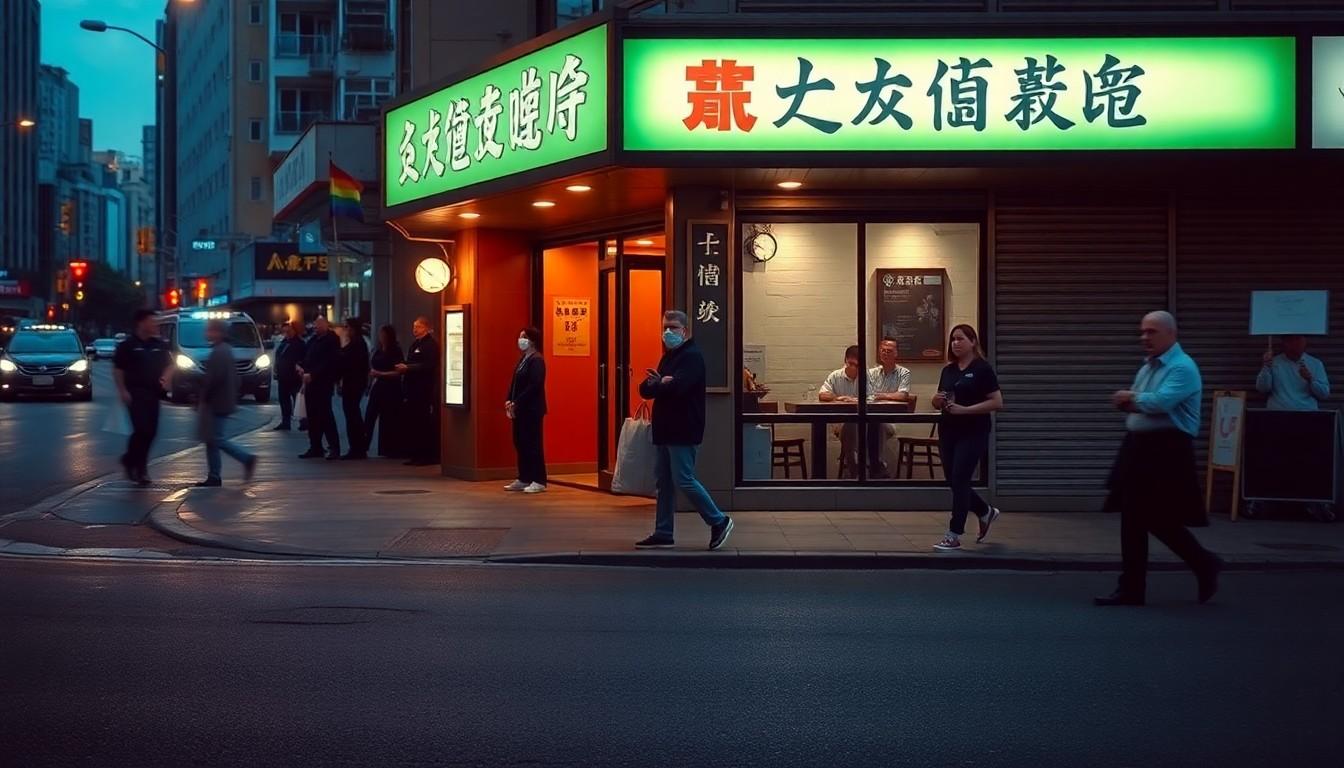
Protests have erupted in Taipei after a police raid at a gay bar, prompting the mayor to apologise and promise a full review. The incident has raised difficult questions about dignity, discrimination and how Taiwan's progressive reputation is upheld in everyday life, not just during its famously colourful Pride celebrations.
Essential Takeaways
- A controversial raid: Police questioned 51 people at Commander D bar and arrested its owner.
- Officers disciplined: Six officers received reprimands or other penalties over alleged misconduct.
- Mayor apologises: Chiang Wan-an said Taipei must remain welcoming and equal for everyone.
- Rights groups object: LGBTQ organisations say the episode points to deeper institutional problems.
- Legal backdrop: Taiwan became the first place in Asia to legalise same-sex marriage in 2019.
A raid that quickly became a public test
The controversy began on Saturday afternoon, when police entered Commander D, a gay bar in Taipei's Wanhua district, under a court-approved search warrant. Officers took 51 people in for questioning and arrested the venue's owner, saying they were investigating possible breaches of public-decency rules.
Videos shared online intensified the backlash. One appeared to show an officer making an intrusive remark to a wheelchair user in a toilet, turning what might otherwise have been a routine enforcement story into a sharp debate about dignity and ableism as well as LGBTQ rights. Taiwan Plus reported that protests followed, with demonstrators accusing authorities of discriminatory treatment. [3]
Taipei Mayor Chiang Wan-an said the city should be inclusive regardless of age, gender, sexual orientation, identity, ethnicity or beliefs. He also apologised to those affected and said any improper conduct would be examined thoroughly, according to The Straits Times. [5]
What police say happened inside the bar
Taipei Police Commissioner Lin Yen-tien said the operation was lawful and followed a search warrant issued after repeated complaints. Police said Commander D had been the subject of 13 public-indecency complaints this year, while the wider precinct inspected 15 entertainment venues that day. [4]
The police account says officers found indications of sexual or obscene behaviour but couldn't immediately identify who was involved. That was why, investigators said, some shirtless patrons were taken in for questioning. Police also said they were inclined not to issue fines to the 51 people detained.
Still, the explanation hasn't settled the matter. One anonymous patron told Reuters they were held for more than six hours after taking off their shirt because the crowded bar was hot, not because they were engaging in sexual conduct. That gap between official reasoning and personal experience is at the heart of the public anger. [6]
Six officers face discipline after alleged misconduct
Lin said six officers had been disciplined. Four were given two reprimands each for inappropriate language, while the lead investigator received a demerit for failing to stop the comments quickly. The chief of Wanhua Precinct was also disciplined over inadequate supervision.
Those measures suggest the police department recognised that the operation crossed professional lines, even as it continued to defend the raid's legal basis. The distinction matters: a warrant may authorise a search, but it doesn't give officers permission to humiliate people or treat a community as inherently suspicious.
Mayor Chiang, who is seeking re-election, has previously attended Taipei Pride. His response therefore carries both political and symbolic weight, particularly with the city's main Pride event due later this month. Taipei's annual celebration is one of the largest in East Asia, and the city has long promoted itself as a liberal, welcoming destination. [7]
Why the LGBTQ community says this goes deeper
Rights organisations say the incident shouldn't be dismissed as a few ill-judged comments. The Taiwan Alliance to Promote Civil Partnership Rights and partner groups described it as evidence of continuing homophobia, discrimination and abuse of power within enforcement systems.
That criticism reflects a wider concern. Legal equality can change quickly on paper, but trust is built through ordinary encounters with public institutions, including police checks, licensing inspections and emergency services. For many LGBTQ people, the question isn't simply whether same-sex marriage is legal; it's whether they can enter a venue without feeling singled out or degraded.
Democratic Progressive Party mayoral candidate Puma Shen said enforcement itself should be respected, but its methods must also face scrutiny. As he put it in a Facebook post, Taipei's diversity shouldn't be visible only on Pride day. [2]
How visitors and venues should read the situation
For bar owners and patrons, the practical lesson is to understand the difference between a legitimate inspection and inappropriate treatment. Venues should keep licensing and safety records in order, document official visits where lawful, and make sure staff know how to request an officer's identification and the scope of a warrant.
Anyone questioned can ask why they are being detained, request clarification of the legal basis and seek legal advice. If an encounter feels discriminatory, recording details afterwards, including timings, names, witnesses and any available footage, may help lawyers or rights groups assess what happened.
That doesn't mean every police operation is unlawful, nor does it erase the complaints that led to this one. But a city that calls itself inclusive has to show that principle in the uncomfortable moments too, when enforcement is difficult and tempers are high. Taiwan's reputation as a regional LGBTQ leader will be judged less by slogans than by what happens next.
It's a small distinction with a big consequence: equality has to be felt on an ordinary night out, not only celebrated in a parade.
Source Reference Map
Story idea inspired by: [1]
Sources by paragraph:
- Paragraph 1: [3], [5]
- Paragraph 2: [4], [6]
- Paragraph 3: [5], [7]
- Paragraph 4: [2], [4]
- Paragraph 5: [2], [3]
- Paragraph 6: [5], [7]
- Paragraph 7: [3], [4]
- Paragraph 8: [2], [5]
- Paragraph 9: [3], [6]
- Paragraph 10: [2], [4]
- Paragraph 11: [5], [7]
- Paragraph 12: [2], [3]
- Paragraph 13: [4], [6]
- Paragraph 14: [2], [5]