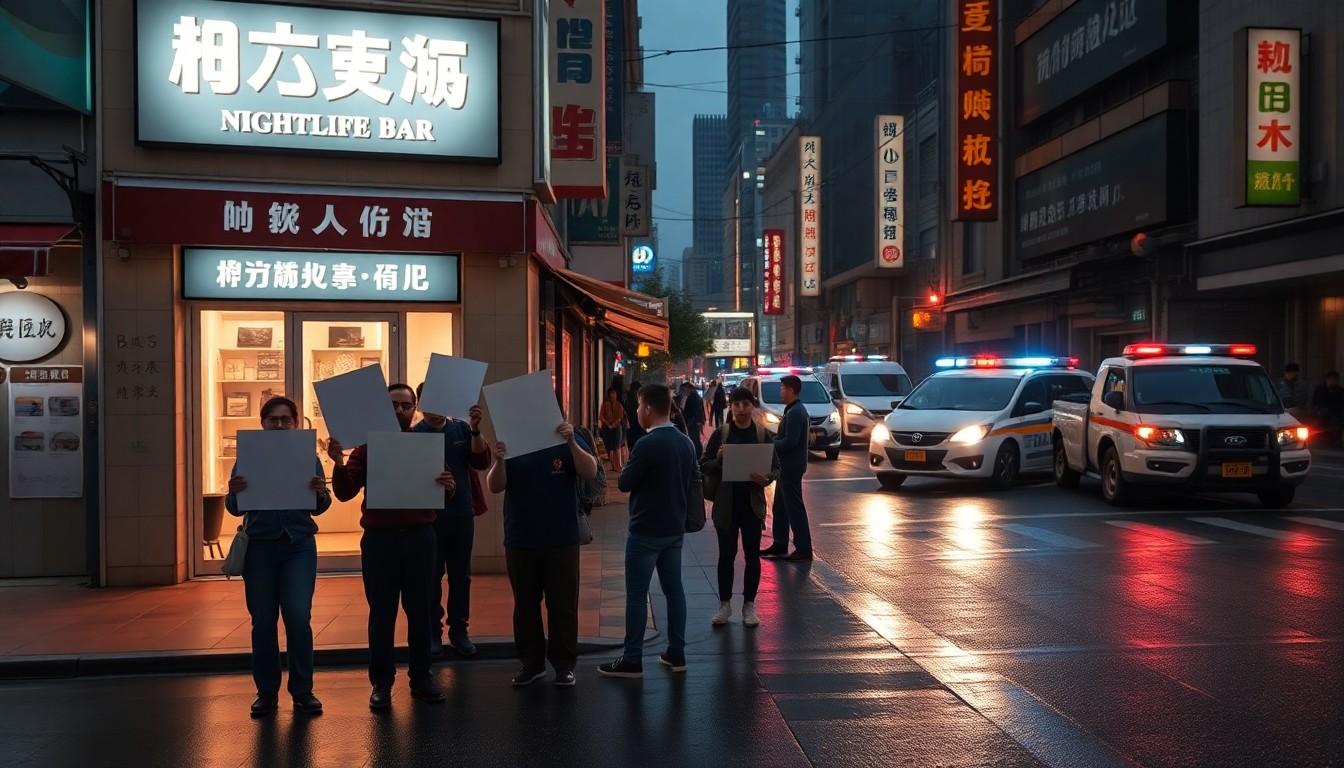
Taipei’s LGBTQ+ community is demanding answers after police raided a gay bar in Ximending, detaining dozens days before the city’s Pride celebrations. The incident has prompted protests, allegations of discriminatory treatment and renewed questions about how Taiwan’s progressive reputation translates into everyday policing in LGBTQ+ spaces.
Essential takeaways
- Dozens detained: Police questioned 51 of the 58 people found inside Commander D.
- Legal basis disputed: Authorities cited Taiwan’s Social Order Maintenance Act and said a court had issued a search warrant.
- Misconduct alleged: LGBTQ+ groups reported concerns over force, procedure and comments directed at a disabled person.
- Officer reprimanded: Police later acknowledged that an inappropriate remark was made to someone using a wheelchair.
- Investigation sought: Protesters and rights organisations want an independent review and public explanation.
A raid that shook Taipei’s LGBTQ+ community
The police operation at Commander D, a BDSM-themed gay bar in Taipei’s Ximending district, quickly became more than a local enforcement story. With Pride approaching, the sight of patrons being detained and questioned struck a particularly raw nerve in a city that has long marketed itself as welcoming to LGBTQ+ people.
Reuters reported that 51 of the bar’s 58 patrons were taken in for questioning, while the owner was arrested. Police cited alleged nudity and indecent behaviour under Taiwan’s Social Order Maintenance Act, a law that covers exposing the body or adopting a lascivious posture in public or publicly accessible places.
The scale of the operation made the episode feel especially stark. For many in Taipei’s queer community, a police presence at a gay venue is bound to carry a different emotional weight than an ordinary licensing inspection. A night out that should have felt private and relaxed instead ended with people being processed by authorities.
Protesters say procedure and dignity were ignored
Ten LGBTQ+ organisations condemned the raid in a joint statement, alleging that officers failed to show a warrant, used excessive force and made discriminatory remarks. The groups called for an independent investigation, disciplinary measures and a public apology.
The Taipei Times also reported allegations that a journalist was allowed to photograph the operation. A source told the paper that the journalist had already been inside as a patron when police arrived, but the claim added to concerns about privacy and how the raid was handled.
Police initially denied wrongdoing and said the action followed a court-issued search warrant. However, the Wanhua Precinct later said surveillance footage confirmed that an officer made an inappropriate remark to a person in a wheelchair and that the officer had been reprimanded, according to reports by Taiwan Plus and the Taipei Times.
That admission doesn't settle the wider dispute. It does, however, explain why protesters are asking not just whether the raid was legally authorised, but whether it was carried out fairly and respectfully.
Why the timing has intensified the anger
Taipei’s Pride events are among the biggest LGBTQ+ gatherings in East Asia, so the raid arrived at a politically sensitive moment. Taiwan became the first country in Asia to recognise same-sex marriage in 2019, and lawmakers later expanded adoption rights for LGBTQ+ couples.
Those milestones have helped create a powerful image of Taiwan as a regional leader on queer rights. But legal progress doesn't automatically guarantee equal treatment in every police station, workplace or nightlife venue. That gap between national reputation and personal experience is at the heart of the anger now visible on Taipei’s streets.
Around 100 people marched to the Wanhua Police Precinct on Sunday, carrying signs including, “Is Taipei really LGBTQ+ friendly?” Protester Kang Yang told Reuters, “I’m not cool with this,” adding that the city had once claimed to be queer-friendly.
What police and city leaders have said
Taipei Mayor Chiang Wan-an said the raid was conducted in accordance with the law, while also instructing the precinct to review the allegations and explain its actions publicly. The precinct chief reportedly told demonstrators that police respect a pluralistic society and will protect every citizen’s rights.
That response leaves the city facing a delicate test. Officials must establish what happened, but they must also show that accountability applies when the people involved belong to a community that has historically faced stigma from authorities.
For bar owners and patrons, the practical concern is straightforward: a warrant or statutory power doesn't remove the need for clear identification, careful treatment and protection of personal dignity. Those basics matter even more in venues where privacy and consent are central to the experience.
A test of Taipei’s inclusive image
The controversy may now shape how LGBTQ+ residents and visitors view Taipei’s nightlife, particularly specialist venues and spaces built around privacy. Trust is difficult to repair once people feel they have been exposed, singled out or treated as suspicious simply because of where they spend their evening.
Taiwan’s rights record remains significant, but progress is never a finished product. The response to this raid will show whether authorities see the incident as an isolated breach of conduct or as a warning that policing in LGBTQ+ spaces needs clearer safeguards and stronger oversight.
For now, the community is asking a simple question with wider implications: can Taipei call itself LGBTQ+ friendly unless that promise is visible during difficult moments, not just during Pride?
It's a small venue, but the accountability question is much bigger.
Source Reference Map
Story idea inspired by: [1]
Sources by paragraph: