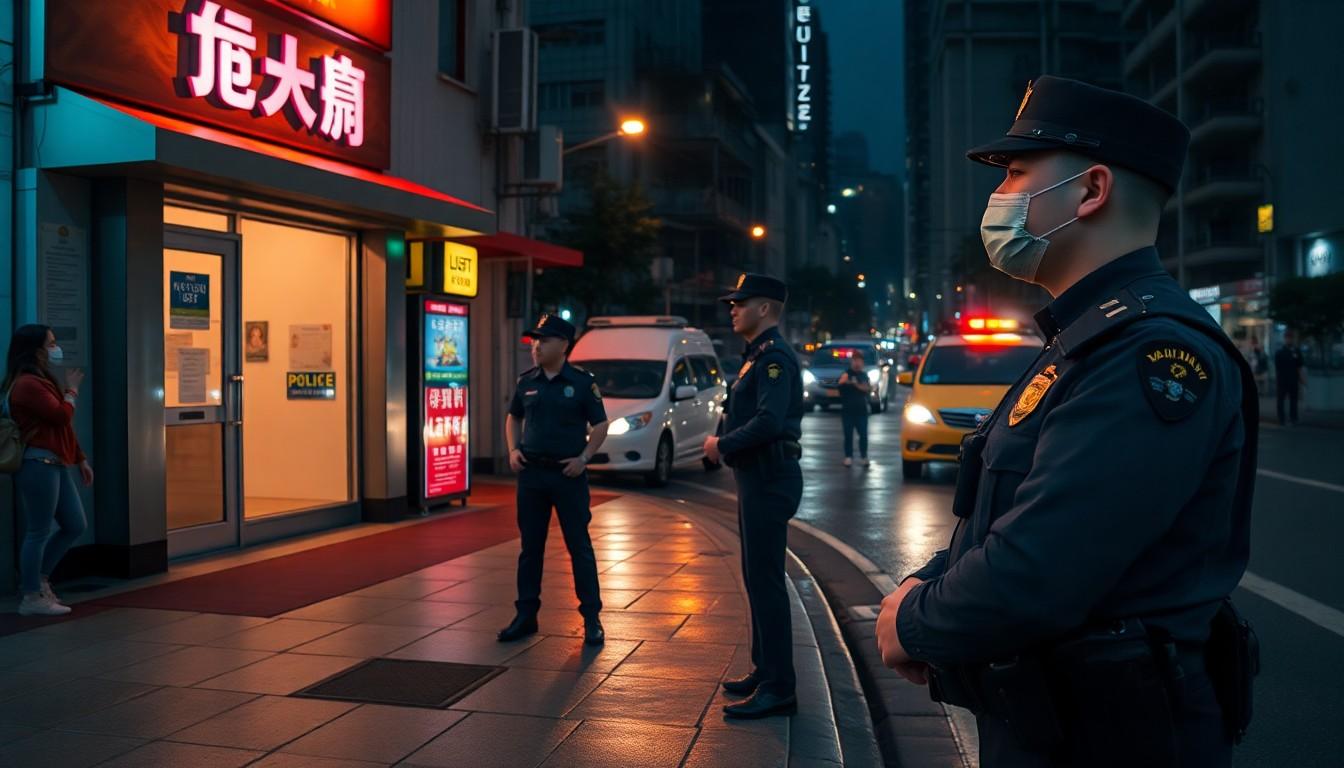
Critics are demanding answers after police searched a well-known Taipei gay bar, with concerns over alleged discriminatory remarks, the number of people taken away and whether officers followed proper procedures. The dispute matters well beyond one venue, raising fresh questions about policing, LGBTQ+ rights and Taipei's reputation as a welcoming city.
Essential Takeaways
- Police scrutiny: Officers entered the bar with a search warrant, but critics want the legal basis and necessity of the operation explained.
- Discrimination concerns: Politicians say sexual orientation and disability must never become targets of mockery during enforcement.
- Evidence under review: Taipei's mayor has been urged to release or examine body-camera footage.
- Community unease: LGBTQ+ groups say the incident echoes a longer history of intrusive inspections and stigma.
- Accountability matters: Critics argue that disciplining one officer alone wouldn't address wider procedural concerns.
Why the Taipei bar raid has caused such anger
The controversy centres on a police operation at a prominent gay bar in Taipei, where officers reportedly carried out a search and took a large number of people away. The presence of a warrant may establish the starting point for an investigation, but it doesn't settle the wider questions about how the operation was conducted.
According to Reuters, the raid prompted angry protests and renewed concern among Taiwan's LGBTQ+ community. For many observers, the most troubling detail isn't simply that police entered the venue. It's the allegation that remarks made during the operation treated sexuality or disability as something to ridicule, a line public authorities must not cross.
Politicians want the legal case laid out clearly
Democratic Progressive Party legislator Chuang Jui-hsiung said police have a duty to investigate suspected wrongdoing, but argued that enforcement must remain lawful, proportionate and respectful. He also questioned why so many people were taken away at once, saying the authorities should explain the legal justification in terms the public can understand.
Taipei Mayor Chiang Wan-an responded quickly to the controversy, which Chuang suggested may have been influenced partly by electoral considerations. The mayor has been urged to review body-camera recordings and give residents a fuller account, rather than allowing the dispute to end with a brief statement or a single disciplinary action.
Body cameras could answer the biggest questions
The most practical next step is a careful reconstruction of what happened, minute by minute. That means checking officers' body-camera footage, the search warrant, custody records and the reasons given for questioning or removing each person.
Focus Taiwan reported that the case had drawn significant public attention, while Taiwan's Central News Agency covered calls for the authorities to clarify the operation. Those records could help establish whether officers followed the warrant's scope, used proportionate measures and communicated appropriately with people inside the venue.
Transparency won't automatically resolve every disagreement, but it can separate genuine legal issues from speculation. It also gives the public a way to judge whether the operation was a targeted investigation or something broader and more intrusive.
The LGBTQ+ community sees a familiar pattern
Fan Yun, another DPP legislator, said the reaction reflects Taiwan's history of LGBTQ+ people facing inappropriate inspections, removal from venues and public stigma. That history gives the present dispute an emotional weight that a routine police statement is unlikely to address.
Taiwan's legal recognition of same-sex marriage has helped establish the country as a regional leader on LGBTQ+ rights. Yet legal progress doesn't guarantee respectful treatment in every encounter with public institutions. As the Taipei Times noted in its coverage, the incident has revived debate about whether a city celebrated for openness is matching that image in practice.
What a proper investigation should examine
A credible review should look beyond any offensive comments and examine the entire chain of decisions. That includes why the search was approved, how many officers attended, why people were taken away, how long they were held and whether reasonable adjustments were made for disabled individuals.
The principle is simple: police can investigate suspected offences, but they must also obey the law while doing so. Coverage from CNA and international outlets including Infobae has highlighted calls from LGBTQ+ organisations for a thorough investigation, rather than a narrow response focused on one officer's conduct.
For Taipei, the stakes are both legal and reputational. A city cannot convincingly call itself friendly while leaving people unsure whether their identity might make them more vulnerable during a police encounter. The public deserves facts, a transparent review and meaningful improvements where the evidence shows they are needed.
A clear investigation could turn a damaging episode into a test of whether accountability really works.
Source Reference Map
Story idea inspired by: [1]
Sources by paragraph: