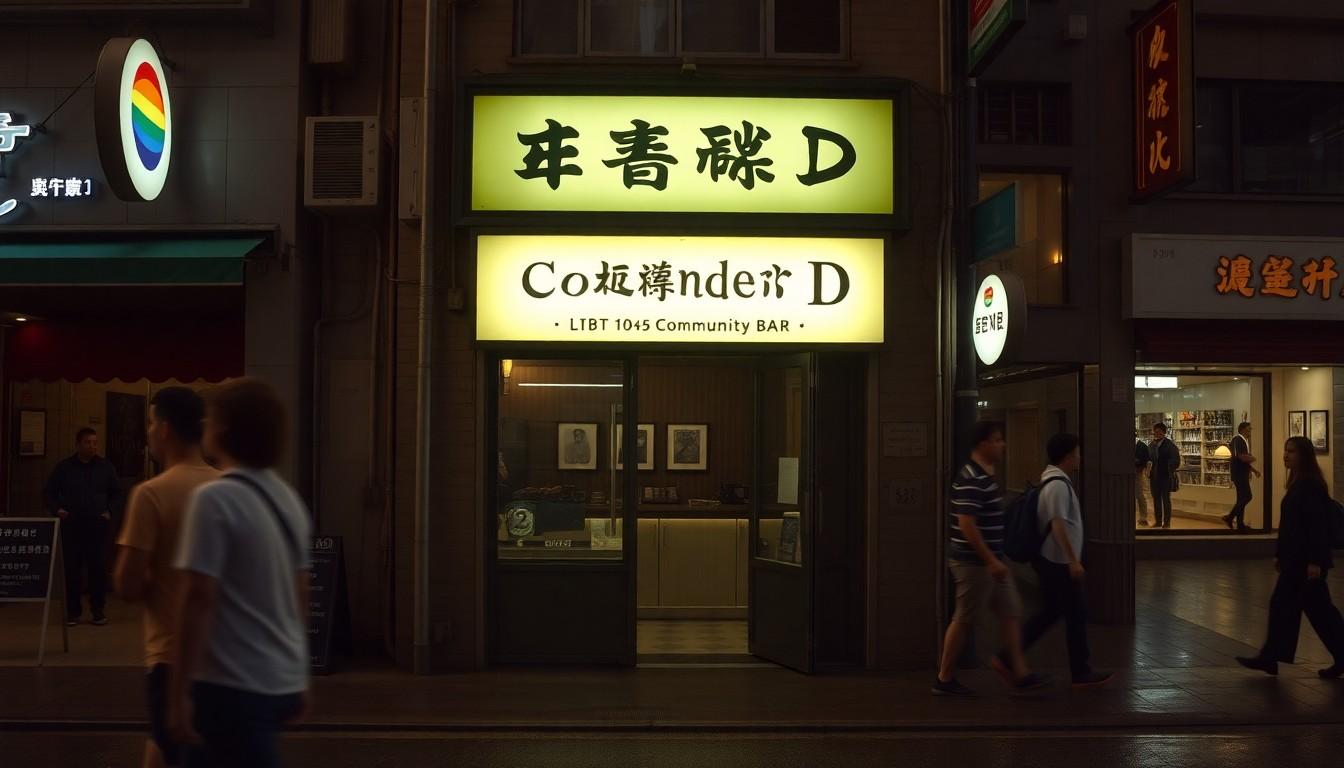
Protests have followed a police raid on a gay bar in Taipei, prompting the mayor to defend the city’s inclusive reputation. The incident has drawn attention to alleged misconduct, disability-related remarks and the gap between Taiwan’s progressive laws and everyday experiences for LGBTQ+ residents and visitors.
Essential Takeaways
- Police operation: Officers raided three gay bars in Taipei’s Ximen district during a wider inspection of entertainment venues.
- Public anger: A video showing an officer questioning a disabled customer triggered widespread criticism.
- Official response: Mayor Chiang Wan-an apologised for improper conduct and reaffirmed equal rights.
- Wider concern: Rights groups say the episode reflects deeper problems, rather than one isolated incident.
- Important context: Taiwan became the first place in Asia to legalise same-sex marriage, in 2019.
A raid in Taipei’s best-known gay district
The weekend operation took place in Ximen, one of Taipei’s liveliest nightlife areas and a familiar destination for the city’s LGBTQ+ community. Police questioned 51 people and arrested the owner of Commander D, citing a complaint linked to public decency rules, according to Reuters.
The details quickly became more troubling than a routine inspection. Video shared online appeared to show an officer asking a customer in a wheelchair how disabled people have sex in the venue’s toilet. It was the sort of remark that can turn an official operation into a public relations disaster almost instantly.
Police said disciplinary action had been taken against officers over inappropriate behaviour, although officials did not provide a full account of what happened. Reuters reported that the operation was one of three involving gay bars in Ximen that day.
Why the incident has struck such a nerve
Taiwan has long been seen as one of Asia’s most open societies on LGBTQ+ rights. Same-sex marriage has been legal since 2019, while Taipei’s annual Pride event has become the largest of its kind in East Asia, according to reporting carried by regional outlets including The Straits Times.
That reputation makes the raid feel especially jarring. For many people, the issue isn’t simply whether police had grounds to investigate a venue. It’s whether customers were treated with dignity, whether rules were applied consistently and whether LGBTQ+ spaces were singled out for unusual scrutiny.
Rights organisations have argued that the episode points to entrenched homophobia, discrimination and misuse of authority within enforcement systems, rather than a single officer’s poor judgement. Their concern is understandable: legal equality on paper matters, but so does feeling safe when entering a bar, reporting a problem or speaking to the police.
Disability, dignity and the power of one video
The footage involving the wheelchair user has added another layer to the controversy. Questions about disabled people’s sex lives, asked in a policing context and apparently inside a public venue, were widely viewed as humiliating and intrusive.
It also highlights how LGBTQ+ inclusion cannot be separated from accessibility. A city may be celebrated for Pride and marriage equality, but that welcome needs to extend to disabled visitors, older people, ethnic minorities and anyone else who can feel invisible in busy nightlife spaces.
Mayor Chiang Wan-an said the government must protect equal rights regardless of age, gender, sexual orientation, identity, ethnicity or beliefs. The message is clear, but residents will now be watching for practical changes rather than another reassuring statement.
What happened to those questioned?
One person questioned during the raid told Reuters they had been held for more than six hours after officers suggested that being shirtless in the venue could breach public decency rules. The person said the bar was crowded and hot, and that they had taken off their shirt shortly before police arrived.
Investigators later said officers had found evidence suggesting sexual or obscene conduct, but could not immediately establish who was involved. They also indicated that those questioned were unlikely to be fined, although the uncertainty itself has raised concerns about due process.
For visitors, the practical lesson is a cautious one. If you’re stopped during an inspection, ask calmly what rule is being applied, request an interpreter if needed and keep a record of the venue, time and officers involved. Anyone who believes they’ve been mistreated should consider contacting a local rights group or legal adviser.
Taipei’s inclusive image faces a real-world test
The mayor is seeking re-election in a closely fought contest, giving the controversy an unavoidable political dimension. His rival, Puma Shen, said that suspected wrongdoing should be handled lawfully but that people’s rights and dignity must be protected.
Shen also argued that Taipei’s diversity should be visible every day, not just during the Pride parade. That may be the most important point in the dispute. Pride banners and progressive legislation are meaningful, but public trust is built in ordinary moments, including a police visit to a crowded bar.
Taipei’s reputation won’t be decided by one speech or one event. It will depend on whether authorities explain the raid, address complaints openly and show that inclusion applies when the cameras have gone. Regional reporting and commentary in The Taipei Times suggest the debate is likely to continue well beyond the immediate protests.
It's a reminder that equal rights are strongest when they’re felt in everyday life, not just written into law.
Source Reference Map
Story idea inspired by: [1]
Sources by paragraph: