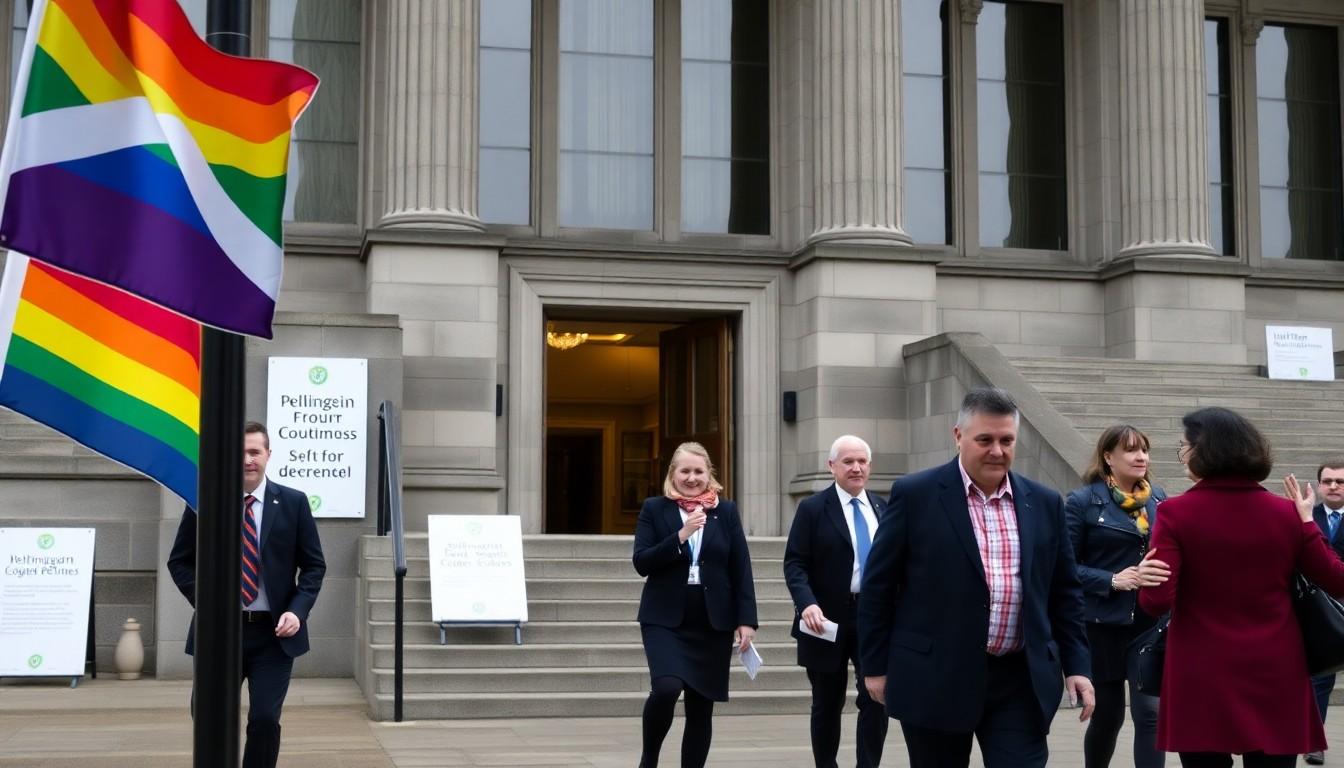
Scotland is developing legislation to prohibit conversion practices, with ministers consulting LGBT organisations, experts and the wider public. The debate matters because the proposed law could affect families, faith groups and professionals, while supporters say it’s needed to protect people from coercive or abusive attempts to change sexual orientation or gender identity.
What Scotland is proposing
The Scottish Government says it intends to end conversion practices through legislation covering sexual orientation and gender identity. Its stated aim is to protect people from harmful, coercive or abusive behaviour, rather than criminalise ordinary conversations or personal beliefs.
The policy sits within a wider equality programme, and ministers have been gathering evidence through consultations and advisory work. According to the Scottish Government, the proposed approach is intended to be carefully defined, with safeguards built into the legislation.
That distinction is central. A ban aimed at force, threats or manipulation is one thing. A law that reaches ordinary family discussions, pastoral support or private advice would raise much broader questions about free expression and parental responsibility.
Why parents and pastors are anxious
The sharpest concern is uncertainty. Parents may want to talk with a child about sexuality or gender in a thoughtful, faith-based or cautious way, while pastors may offer prayer, counselling or spiritual guidance. Critics fear that unclear wording could leave people unsure where lawful support ends and criminal conduct begins.
The Scottish Government’s consultation materials say the proposal is not intended to prohibit respectful conversations or the expression of religious beliefs. Even so, campaigners who oppose the plan argue that intent can be difficult to prove once police investigations or complaints enter the picture.
That’s why the detail will matter more than the headline. Definitions, thresholds for harm, consent, age, intent and exemptions could determine whether the law targets abuse narrowly or creates a chilling effect around sensitive conversations.
Ministers are consulting, but trust remains fragile
The government has established an expert advisory group and says it has engaged with LGBT organisations, professionals and other stakeholders. Its published consultation also invited responses from members of the public, faith communities, organisations and campaigners.
The consultation process is designed to test the evidence before legislation is introduced. A government response to the consultation analysis is part of that process, giving ministers an opportunity to explain how feedback has shaped the eventual bill.
But consultation only builds confidence if people believe opposing views are being heard seriously. In a debate this emotionally charged, families and religious communities will want more than reassurance. They’ll want to see their concerns reflected in the wording and the safeguards.
What the government says the law would do
Official policy documents frame conversion practices as behaviour intended to change or suppress someone’s sexual orientation or gender identity through pressure, coercion or abuse. The government says existing criminal offences may not always deal adequately with such conduct.
The proposed framework is therefore presented as a protection measure, particularly for people who may be vulnerable to exploitation or control. Supporters argue that no one should be subjected to degrading treatment or forced attempts to alter who they are.
However, the legal test will need to be exceptionally clear. A serious criminal law shouldn’t depend on whether a conversation is unpopular, awkward or ideologically contested. It should identify conduct that crosses a precise and defensible line.
What happens next?
The Scottish Government’s consultation and advisory work provide the groundwork, but the final impact will depend on the bill Parliament eventually sees. MSPs will need to examine its language closely, especially where it touches children, family life, counselling and religious practice.
For parents and pastors, the practical advice is simple for now: follow the legislative process, read the consultation documents and distinguish carefully between opposing abuse and defending the freedom to offer honest, respectful support.
This debate deserves balance on every side. Protecting people from coercion is important, but so is ensuring that a well-intentioned law doesn’t make ordinary conversations feel legally dangerous.
A clear law should protect vulnerable people without turning family guidance or pastoral care into a criminal risk.
Source Reference Map
Story idea inspired by: [1]
Sources by paragraph:
- Paragraph 1: [2], [5]
- Paragraph 2: [3], [6]
- Paragraph 3: [7], [4]
- Paragraph 4: [2], [6]
- Paragraph 5: [3], [5]
- Paragraph 6: [6], [7]
- Paragraph 7: [2], [5]
- Paragraph 8: [3], [4]
- Paragraph 9: [6], [7]
- Paragraph 10: [2], [3]
- Paragraph 11: [5], [7]
- Paragraph 12: [2], [4]
- Paragraph 13: [6], [7]
- Paragraph 14: [2], [3]
- Paragraph 15: [5], [6]
- Paragraph 16: [4], [7]