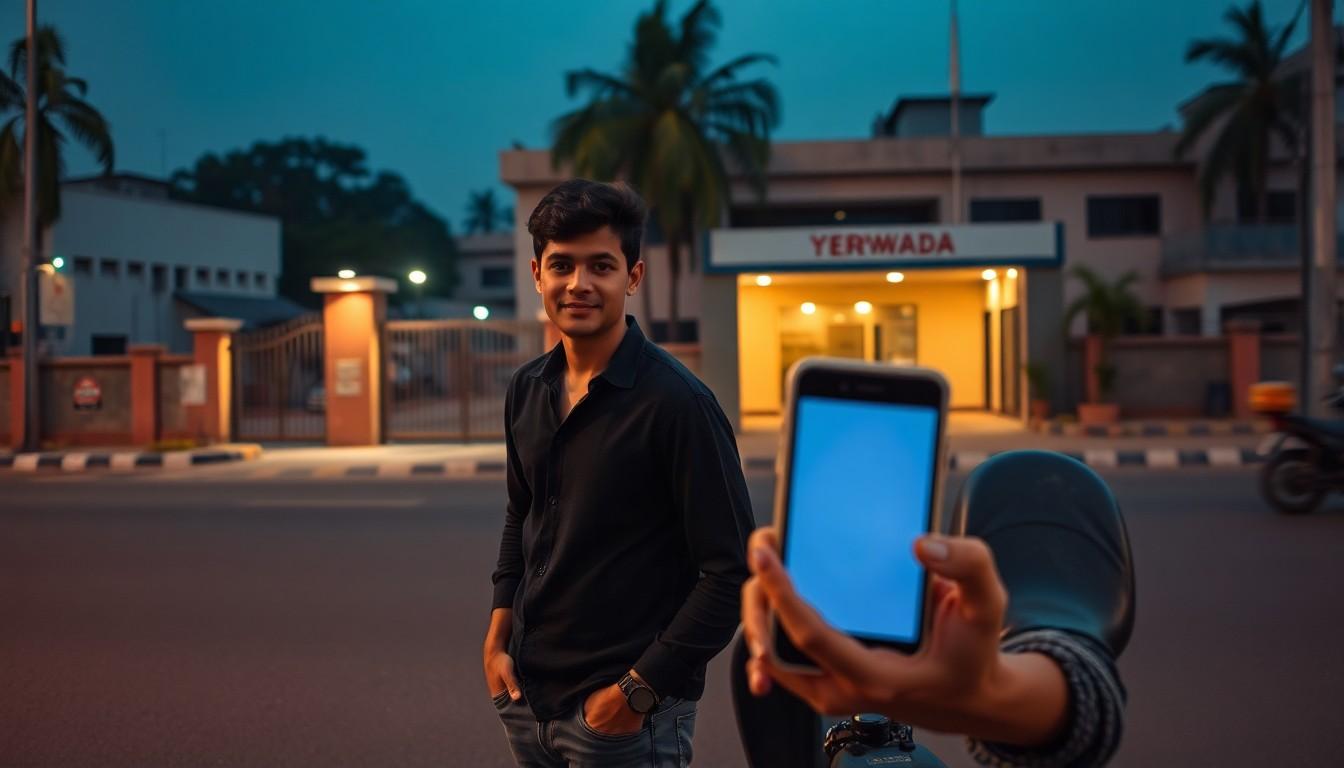
Users of LGBTQIA+ dating apps in Pune are being urged to take extra care after a series of alleged attacks, robberies and extortion cases. The incidents show why meeting strangers from apps requires more than a quick profile check, particularly when privacy concerns, fear of stigma and unfamiliar locations can make it harder to seek help.
Essential Takeaways
- A serious assault: A 22-year-old Pune man was allegedly attacked after meeting someone through Grindr.
- Money was taken: The accused allegedly forced a transfer of Rs 20,000 through the victim's PhonePe account.
- The location mattered: The meeting took place in a deserted, dilapidated building near Yerwada.
- A wider warning: Police and LGBTQIA+ activists say similar cases have emerged in recent years.
- Safety comes first: Public, familiar meeting places and trusted contacts can reduce risk.
A dating-app meeting allegedly turned violent
A meeting arranged through a gay dating app allegedly ended in assault, threats and forced digital payment in Pune. According to the Indian Express, the 22-year-old victim had met another man through Grindr before going to a dilapidated building near the Mental Asylum in Yerwada.
The encounter reportedly took place on 29 September, when three young men allegedly attacked the pair. The other man is said to have fled, while the victim was allegedly threatened and assaulted. It’s a grim reminder that a private meeting can become dangerous very quickly when there’s no reliable escape route or nearby support.
The Times of India also reported the assault and robbery case, underlining the growing concern around criminal groups allegedly targeting people they meet through dating platforms.
Why dating-app users can be vulnerable
The danger isn’t unique to one app or one community, but LGBTQIA+ users may face additional pressures. Concerns about privacy, outing and social judgement can make victims reluctant to contact family members or approach the police, even after a serious incident.
That silence can benefit perpetrators. A person who fears exposure may be more likely to comply with threats, hand over money or avoid reporting an attack. As activists and police point to repeated cases in Pune, the issue looks less like an isolated mishap and more like a safety problem requiring broader awareness.
There’s also a practical trap here: a discreet location may feel safer at first, but an empty building, hotel room or isolated stretch of road can leave someone with very few options if the meeting goes wrong.
The warning signs to notice before meeting
A rushed push towards secrecy is worth treating as a red flag. So are demands to meet somewhere abandoned, pressure to share intimate images, requests for money or sudden changes to the agreed location.
Before meeting, users should verify a match through a video call or another form of live contact. It’s sensible to share the person's profile, phone number, meeting address and expected return time with someone trusted. A screenshot can help, although it shouldn’t replace real-time contact.
Choose a busy cafe, shopping centre or other public venue for a first meeting. Keep your own transport available, avoid accepting drinks or food you haven’t watched being prepared, and make sure your phone is charged. Your instincts may not produce courtroom evidence, but they’re still useful equipment.
Digital payments can make extortion faster
The alleged forced PhonePe transfer shows how quickly a personal safety incident can become financial crime. Once a payment is made, victims should preserve transaction records, chat histories, usernames, call logs and location details rather than deleting them in panic.
Banking and payment platforms should be contacted immediately to report an unauthorised or coerced transaction. The police should also be informed, especially where there are threats, physical violence or attempted sexual assault. Keeping evidence intact can help investigators trace accounts, devices and communication patterns.
Users can reduce exposure by setting transaction limits where available, avoiding large balances in linked wallets and never sharing payment PINs or passwords. No legitimate date needs access to those details.
Reporting matters, even when it feels uncomfortable
The reported Pune case is a reminder that victims deserve support rather than blame. Meeting someone through an app doesn’t make an assault less serious, and private sexual choices don’t excuse robbery, coercion or violence.
Anyone in immediate danger should contact local emergency services and move towards a busy, staffed location if possible. LGBTQIA+ support organisations, trusted friends and legal-aid groups may also help someone make a report in a way that feels safer and more informed.
Dating apps can create genuine connections, but caution shouldn’t be dismissed as paranoia. A little planning can preserve the best part of meeting someone new while making it harder for a bad actor to control the situation.
It’s a small safety routine, but it can make a vulnerable meeting far safer.
Source Reference Map
Story idea inspired by: [1]
Sources by paragraph:
- Paragraph 1: [2], [4]
- Paragraph 2: [3], [5]
- Paragraph 3: [6], [2]
- Paragraph 4: [3], [4]
- Paragraph 5: [5], [6]
- Paragraph 6: [2], [3]
- Paragraph 7: [4], [5]
- Paragraph 8: [6], [2]
- Paragraph 9: [3], [4]
- Paragraph 10: [5], [6]
- Paragraph 11: [2], [4]
- Paragraph 12: [3], [5]
- Paragraph 13: [6], [2]
- Paragraph 14: [4], [5]
- Paragraph 15: [6], [3]