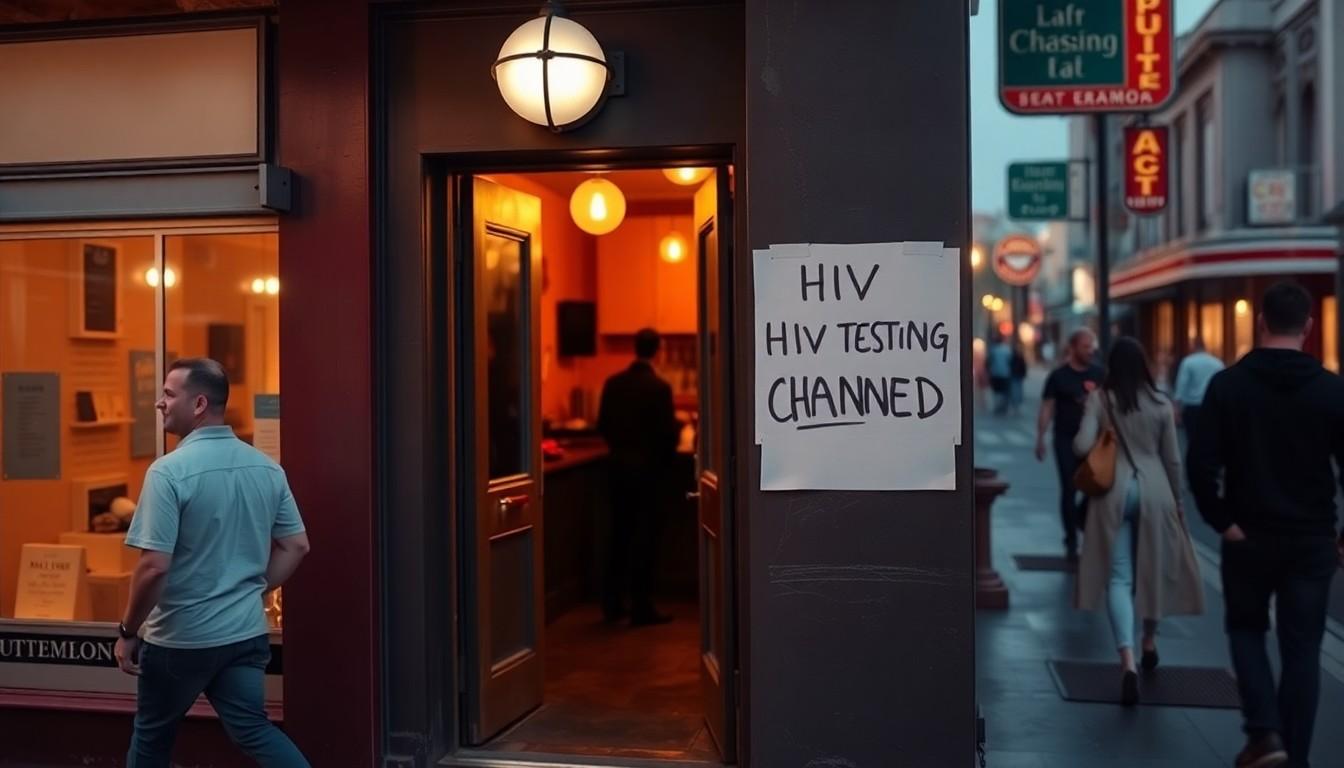
Workers and LGBTQ+ advocates are urging Wood Enterprises to restore HIV testing at three New Orleans bars, warning that the decision could weaken both community healthcare access and staff morale during a financially difficult season.
Essential Takeaways
- Testing has ended: HIV testing is no longer being hosted at Good Friends, Rawhide Lounge and Cafe Lafitte in Exile.
- CrescentCare was involved: The healthcare organisation had provided testing services at the venues.
- Workers are concerned: An employee says staff and LGBTQ+ patrons feel hurt by the policy change.
- The dispute has widened: A social media-posted exchange involving management and a former bartender drew public attention.
- The wider issue: Supporters see bar-based testing as a discreet, familiar way to reach people who may not seek traditional healthcare.
Why the testing change has struck such a nerve
The controversy is about more than a table, a testing kit and a few hours of clinical support. For many people, New Orleans' LGBTQ+ bars have long functioned as social spaces, informal support networks and places where visitors can feel at ease. Removing HIV testing from that setting has therefore landed as a symbolic loss as well as a practical one.
According to WDSU's reporting, testing previously took place at Good Friends, Rawhide Lounge and Cafe Lafitte in Exile through CrescentCare. The decision to stop hosting it followed a change in management policy, prompting criticism from workers and members of the LGBTQ+ community.
For someone already nervous about visiting a clinic, a familiar bar can feel less intimidating. That matters because convenience and trust often decide whether people get tested at all.
Employees say the impact is personal and financial
One Wood Enterprises employee, speaking anonymously because of concerns about retaliation, has asked company leaders to reconsider the decision. The employee said LGBTQ+ workers may remain in jobs even when they disagree with management because they still need wages to cover rent, food and household bills.
That message arrives after what the employee described as a difficult summer for service and tourism workers. The autumn and holiday period would normally offer a chance to rebuild earnings, so any damage to customer confidence could be especially unwelcome.
The letter's central point is blunt but hard to ignore: staff can feel caught between their income and their community. It is an uncomfortable position for anyone, particularly in venues whose identity is closely tied to LGBTQ+ nightlife.
A social media dispute pushed the issue into public view
The debate gained wider attention after a text exchange involving Wood Enterprises' Anne Breaud and a bartender who later left the business was shared on social media. That episode helped move the disagreement beyond private conversations among staff and customers.
Reports from outlets including Hoodline and Instinct Magazine have also framed the decision as part of a broader concern about losing community-based HIV services. The reaction shows how quickly a business policy can become a public trust issue when it affects healthcare access in a close-knit community.
Bars aren't clinics, of course, but partnerships like this can meet people where they already are. That practical overlap is why the change has generated such a strong response.
Why community-based HIV testing still matters
HIV testing is most useful when it is easy to access, confidential and offered without judgement. Outreach at nightlife venues can help reach people who work late, lack convenient transport or simply feel more comfortable asking questions in a familiar environment.
CrescentCare's involvement gave the programme a recognised healthcare partner, while the bars provided a steady flow of potential visitors. Ending that arrangement doesn't necessarily remove every testing option in New Orleans, but it may make testing less visible and less convenient for some people.
The sensible next step for anyone concerned about their status is to contact a qualified healthcare provider or local sexual-health service for confidential advice. Venue-based testing can complement those services, but it shouldn't replace professional medical care.
What could happen next?
The employee's appeal asks Tom Wood and his management team to reopen the conversation rather than treat a reversal as defeat. That distinction matters. Restoring testing, or finding another arrangement with a local healthcare organisation, could be presented as a practical response to community feedback.
There is also a business lesson here. In LGBTQ+ venues, customers often judge a bar by more than its drinks list or music programme. They notice whether the space feels welcoming, dependable and connected to the people it serves.
For now, the dispute remains a test of whether Wood Enterprises can rebuild confidence with workers and patrons. Sometimes the most powerful form of damage control is simply listening, then acting on what people have said.
It's a small healthcare partnership, but its absence has made a very large statement.
Source Reference Map
Story idea inspired by: [1]
Sources by paragraph: