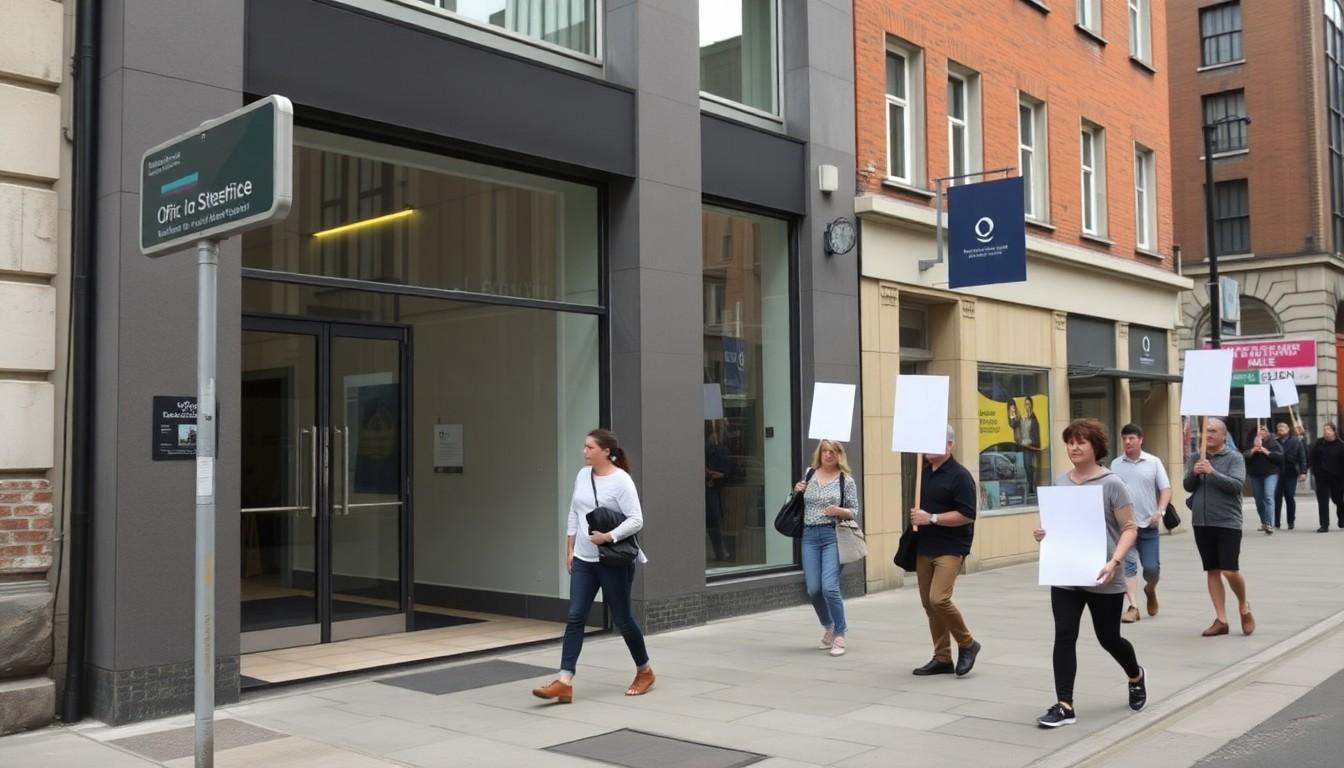
A London queer culture hub says Meta has restricted its Instagram reach, prompting warnings of a protest outside the company’s UK headquarters. The dispute highlights a familiar frustration for LGBTQ+ venues and creators: accounts can suddenly become harder to discover, often without a clear explanation or meaningful route to appeal.
Essential Takeaways
- Account visibility reduced: Boys! Boys! Boys! says Instagram warned that its account could no longer be shown to non-followers.
- No specific post identified: The group says Meta hasn’t pointed to content that allegedly breached its rules.
- Protest threatened: Organisers may demonstrate outside Meta’s Camden headquarters if discussions go nowhere.
- Wider concern: Similar restrictions have affected LGBTQ+ bars, venues, publications and community figures.
- Practical safeguard: Queer organisations should keep mailing lists, websites and other channels active rather than relying solely on Instagram.
Instagram restriction leaves queer hub asking difficult questions
The immediate problem is simple but serious: people who don't already follow Boys! Boys! Boys! may no longer find the account through Instagram's recommendation and discovery systems. For a community venue, that can mean fewer event bookings, reduced visibility for artists and a quieter route into LGBTQ+ social life.
The London Gallery Cafe, which hosts queer cultural events and conversations, shared an alert saying its account couldn't be shown to non-followers. According to Attitude, the warning suggested that the profile might not be following Instagram's recommendation guidelines, although it didn't identify a particular post. [2]
That uncertainty is the part likely to irritate followers most. A removed photograph is at least visible as a decision; a reach restriction can feel like a curtain quietly dropping over an account.
Why the group says it has been careful
Boys! Boys! Boys! says it deliberately avoids posting material that might trigger Meta's systems. In a statement shared through its sister account, the group asked the company to identify the specific content that had supposedly breached its community guidelines.
The hub also questioned whether the restriction reflected discomfort with queer art and culture rather than a clearly defined policy violation. That concern echoes reporting from GO Magazine, LGBTQ Nation and Instinct, which has described wider disputes involving Instagram accounts connected to LGBTQ+ bars and venues. [3], [4], [5]
Meta's moderation systems are designed to operate at enormous scale, using automated tools alongside human review. But scale isn't much comfort to a small venue when an unexplained restriction can affect ticket sales, partnerships and the ability to reach people looking for a safe place to meet.
A recurring pattern for LGBTQ+ venues
This isn't the first time LGBTQ+ organisations have said their Instagram accounts were suspended, limited or removed. Reporting by Out and SFist has documented concerns from queer clubs and San Francisco venues, where operators say social platforms are essential for promoting events but can also become unpredictable gatekeepers. [6], [7]
The tension is especially sharp because queer venues often rely on visual storytelling. Performance photography, nightlife imagery, bodies and intimacy may be central to their work, yet those same subjects can be interpreted inconsistently by automated moderation tools. A mainstream brand might have a large communications team to challenge a decision; a small community space may have little more than an appeal button and a busy inbox.
That imbalance has broader consequences. When discovery is reduced, the account can remain technically online while becoming practically invisible to newcomers, particularly young people or visitors searching for LGBTQ+ events in London.
What the threatened protest could mean
Boys! Boys! Boys! says it plans to write to Meta and seek support from Camden Council and its local MP. If those efforts fail, the group has threatened to organise a protest outside Meta's UK headquarters on Canal Reach in Camden, according to Attitude. [2]
A public demonstration would turn a frustrating platform dispute into a visible local campaign. It would also underline that this is not merely a question of likes or follower counts. For a queer gallery and event space, social media access can be part of the basic infrastructure used to connect audiences with culture, support and one another.
The group’s complaint arrives after Meta restored a number of LGBTQ+ accounts following previous suspensions, according to the same report. That history may explain why organisers are pushing for a clearer answer rather than quietly accepting the restriction. [2]
How queer organisations can protect their reach
Instagram remains useful, but it shouldn't be the only doorway to a venue or publication. Organisations facing sudden visibility problems should keep an up-to-date website, email newsletter and event calendar, while making sure followers know where to find them if an account disappears.
It also helps to save screenshots of warnings, record dates, note appeal attempts and keep copies of important posts. Clear contact details on a website can turn a platform disruption into an inconvenience rather than a full communications blackout.
Most importantly, venues should tell audiences how to stay connected across several channels. It’s less glamorous than a perfectly curated feed, but a mailing list is refreshingly difficult for an algorithm to hide.
The dispute now sits with Meta, which has been contacted for comment. Until the company explains the decision, Boys! Boys! Boys! and other queer organisations are left asking for something basic: transparent rules applied consistently.
A small visibility warning can have a very large community impact.
Source Reference Map
Story idea inspired by: [1]
Sources by paragraph:
- Paragraph 1: [2], [4]
- Paragraph 2: [2], [3]
- Paragraph 3: [5], [6]
- Paragraph 4: [4], [7]
- Paragraph 5: [6], [7]
- Paragraph 6: [2], [4]
- Paragraph 7: [2], [3]
- Paragraph 8: [5], [6]
- Paragraph 9: [2], [7]
- Paragraph 10: [3], [4]
- Paragraph 11: [2], [5]
- Paragraph 12: [6], [7]
- Paragraph 13: [2], [4]
- Paragraph 14: [3], [5]