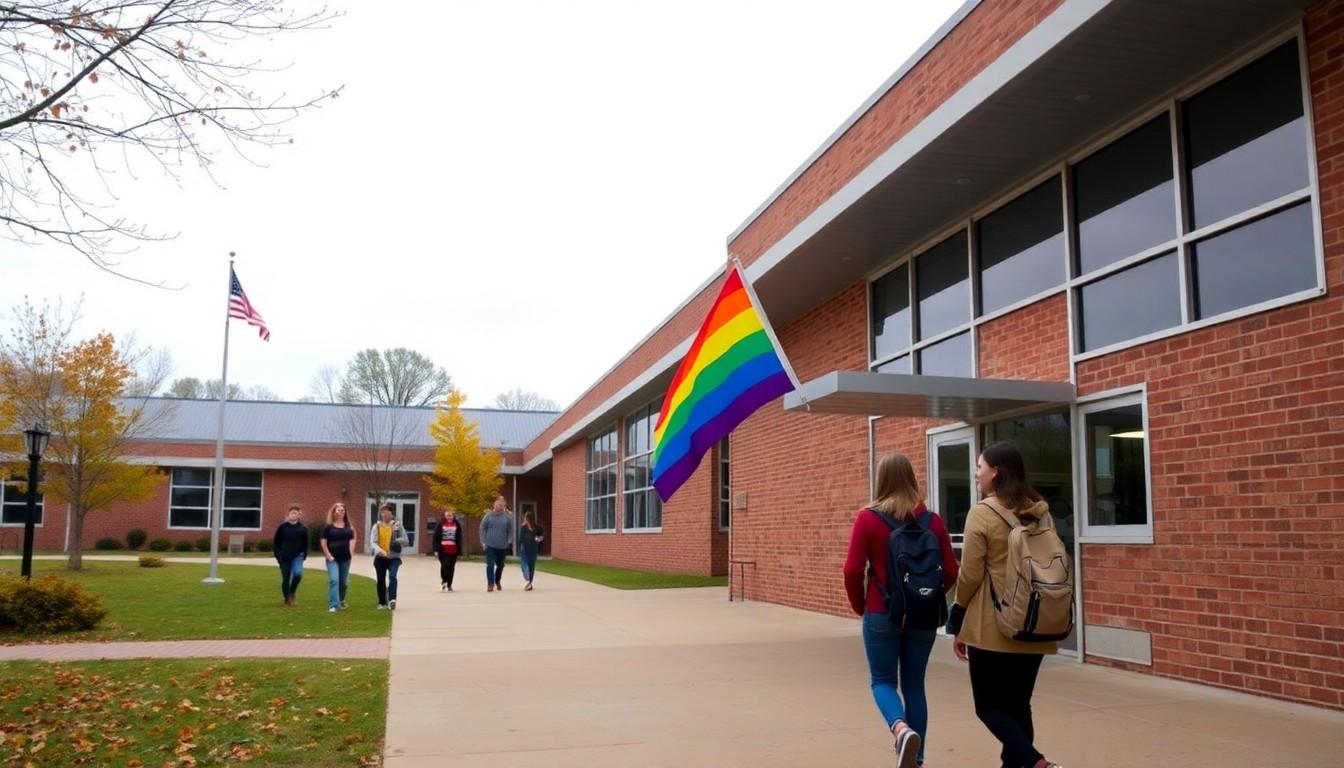
Loudoun County Public Schools is defending a new LGBTQ+ History Month proclamation after parents questioned what it means in practice. The October initiative encourages students and staff to recognise LGBTQ+ history and achievements, while the district says it creates no compulsory student requirements. The debate reflects wider tensions over inclusion, parental rights and school policies.
Essential Takeaways
- October recognition: The school board has designated October as LGBTQ+ History Month.
- No compulsory participation: Loudoun County Public Schools says the proclamation imposes no requirements on students.
- Inclusive language: The statement promises a supportive environment and rejects discrimination linked to sexual orientation, gender identity or gender expression.
- Parental concerns: Critics have raised broader questions about lessons, facilities and the boundaries of school-led messaging.
- A wider US debate: Similar disputes are unfolding across American school districts, making Loudoun a closely watched case.
What Loudoun County’s proclamation actually says
The central point is straightforward, at least on paper. Loudoun County Public Schools is encouraging its community to recognise LGBTQ+ history during October and throughout the academic year, including by highlighting notable people and milestones.
According to Fox News Digital, the district says the school board proclamation doesn't require students to participate. That distinction matters, because a statement encouraging recognition is different from a compulsory lesson, event or activity. Still, parents may reasonably want to know how the message will appear in classrooms, assemblies and school communications.
The proclamation also describes the district as committed to a safe, supportive and inclusive environment. Its language presents acceptance and respect as basic features of school life, rather than as optional themes for a particular month.
Why the announcement has prompted a reaction
Loudoun County has already become a flashpoint in America's arguments over education, gender identity and parental authority. Some parents have objected to school policies involving transgender pupils, including questions about social transition and access to toilets or changing facilities.
Fox News Digital reported that one parent alleged a child who identified as transgender entered a boys' toilet, while other disputes have focused on whether families are properly informed about school decisions. Those allegations and disagreements have helped turn what might otherwise be a routine heritage-month announcement into a much larger political argument.
For supporters, recognising LGBTQ+ history is part of creating a school where pupils feel visible and protected. For critics, the issue is less about kindness than about whether schools are promoting contested ideas without sufficient parental involvement. That divide isn't likely to disappear with one proclamation.
A non-binding statement can still carry weight
The district's claim that students face no formal requirement is important, but it doesn't mean the proclamation has no practical effect. School-board statements often shape the tone of newsletters, displays, recommended materials and staff discussions, even when they don't prescribe a specific assignment.
LifeSiteNews and other commentators have framed the decision as an example of schools moving further into cultural and political territory. By contrast, supporters generally view the same language as a response to discrimination and a way to broaden the history pupils encounter.
For parents, the useful questions are concrete. Is participation compulsory? What resources will teachers use? Will families be notified about lessons or events? And is there a clear process for raising concerns? Those details offer more clarity than the slogan alone.
How this fits a broader school trend
Heritage months have long been part of American public education, from Black History Month to celebrations of local and national figures. Loudoun's decision follows that familiar model, but LGBTQ+ recognition remains more politically contested in many communities.
The district's wording also links the initiative to National Coming Out Day and to the idea that education can challenge discrimination. That framing makes the month about both historical knowledge and present-day school culture, which is precisely why reactions are so sharply divided.
A similar pattern has appeared elsewhere: school systems describe inclusion policies as protection against bullying, while opponents ask where safeguarding ends and ideology begins. The language may differ from state to state, but the underlying argument is remarkably consistent.
What parents should look for next
The proclamation itself won't answer every practical concern. Families should check school calendars, district communications and individual classroom notices for information about activities, reading materials and whether any event involves active participation.
It can also help to separate three issues that are often bundled together: teaching history, setting anti-bullying expectations and adopting policies about gender identity or facilities. They may overlap in public debate, but they aren't automatically the same thing.
Ultimately, Loudoun's approach will be judged less by the wording of the announcement than by how transparently schools explain it. A calm, specific conversation with families would go a long way, particularly in a district where trust has already been tested.
Loudoun's October proclamation is unlikely to settle the culture-war argument, but clear communication could make the school-level reality easier to understand.
Source Reference Map
Story idea inspired by: [1]
Sources by paragraph:
- Paragraph 1: [2], [3]
- Paragraph 2: [4], [6]
- Paragraph 3: [5], [7]
- Paragraph 4: [2], [3]
- Paragraph 5: [4], [5]
- Paragraph 6: [2], [6]
- Paragraph 7: [3], [4]
- Paragraph 8: [5], [6]
- Paragraph 9: [2], [3]
- Paragraph 10: [4], [5]
- Paragraph 11: [6], [7]
- Paragraph 12: [2], [4]
- Paragraph 13: [3], [5]
- Paragraph 14: [2], [6]
- Paragraph 15: [4], [7]