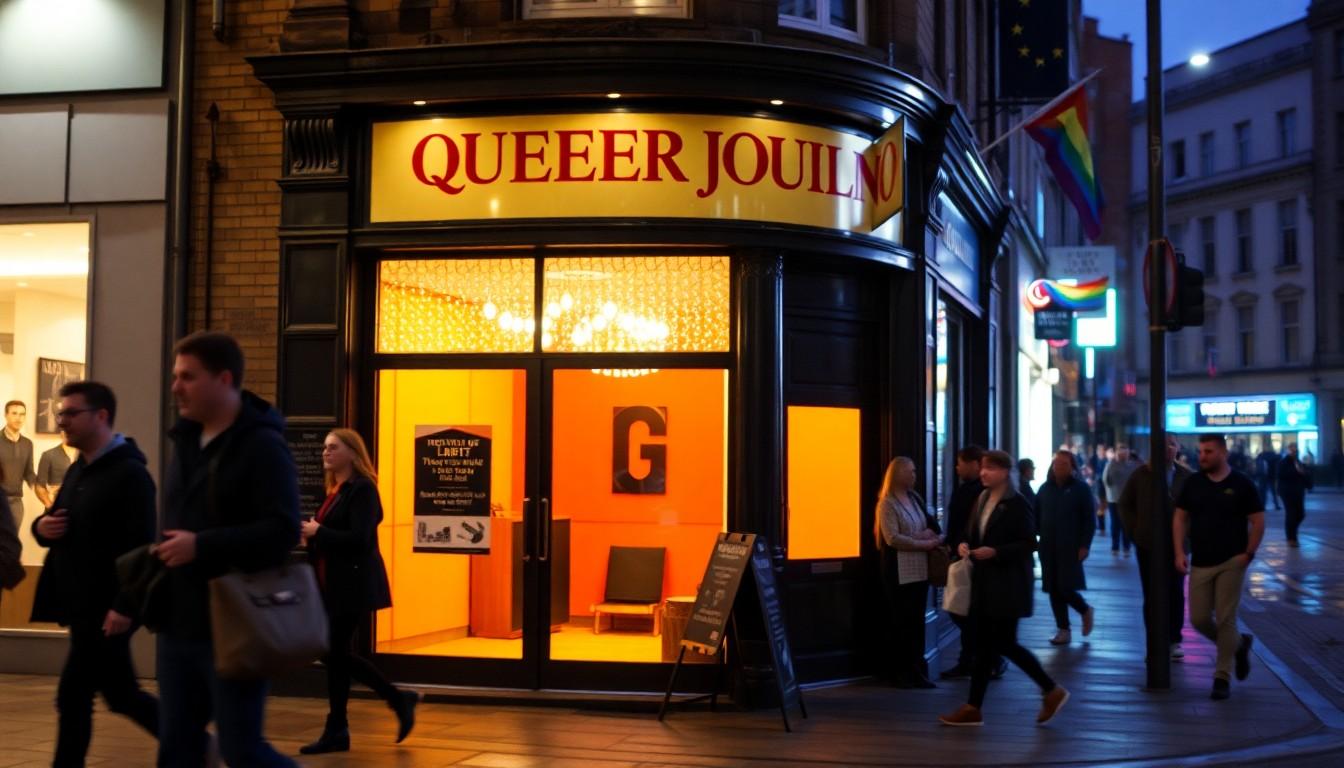
London clubbers are celebrating after Heaven, the legendary LGBTQ+ nightclub beneath Charing Cross Station, gained Asset of Community Value status. The decision recognises the venue’s cultural importance, strengthens its position against redevelopment and supports plans for a charity-run future. For generations of London’s queer community, it’s more than a dancefloor: it’s a familiar, fiercely loved place to belong.
Essential Takeaways
- Protected status: Westminster Council has recognised Heaven as an Asset of Community Value.
- Long cultural history: The club opened beneath Charing Cross Station in 1979.
- Community role: Heaven has offered LGBTQ+ Londoners a place to meet, celebrate and express themselves.
- Future plans: Its team is working towards a charity-run model.
- Wider concern: Rising property costs and redevelopment continue to threaten queer venues across the UK.
Heaven’s history is written in the dancefloor
There’s a particular kind of magic to a club that feels instantly familiar. At Heaven, that feeling has been built over decades, beneath the rumble of Charing Cross Station and the shimmer of London’s late-night lights.
Since opening in 1979, the venue has become one of the UK’s best-known LGBTQ+ clubs. It has welcomed several generations of clubbers, many of whom found not only music and nightlife there, but also friendship, confidence and a sense of belonging. Coverage from Capital Post and The Festivals UK highlights the club’s long-standing place in London’s LGBTQ+ cultural history.
That combination matters. A nightclub can be loud, messy and wonderfully impractical, but it can also become a living archive of the people who passed through it. Heaven’s significance comes from that accumulated memory, not simply its location or size.
What Asset of Community Value status means
The new designation gives Heaven formal recognition as a community asset. It doesn't make redevelopment impossible, but it provides an important layer of protection and gives the community a stronger voice if the building’s future is challenged.
Time Out, Scene Magazine and Hospitality and Catering News all reported on the status, which follows a nomination supported by the Night Time Industries Association. The decision places Heaven in a category usually associated with spaces that offer clear social or cultural value to the communities around them.
For supporters, the move is a practical safeguard rather than a purely symbolic gesture. It helps ensure that decisions about the venue can't be made as though Heaven were just another commercial unit waiting for a more profitable use.
Why queer nightlife spaces remain vulnerable
Heaven’s protection arrives during a difficult period for LGBTQ+ nightlife. Across the UK, venues are facing higher rents, redevelopment pressure, rising operating costs and changing patterns of night-time spending. Smaller independent spaces often have even less room to absorb those shocks.
The wider anxiety is easy to understand. When a queer venue disappears, the loss isn't just another closed bar or club. As reporting from The Festivals UK and Hello Rayo Pride notes, LGBTQ+ venues can provide visibility, safety and social connection, particularly for people who may not feel comfortable in mainstream nightlife.
That makes each closure feel bigger than a change in the entertainment listings. A city can still have plenty of places to go out, yet fewer places where queer communities feel genuinely at home. It's a subtle difference, but one clubbers notice immediately.
A charity-run future could change Heaven’s direction
Heaven is now working towards plans for a charity-run model. The proposed approach is intended to keep the venue serving London’s LGBTQ+ community while preserving its heritage and identity.
That could give the club a stronger community focus, although it will also bring the practical challenge of making a large, high-profile venue financially sustainable. The details will matter, from governance and fundraising to programming and day-to-day operations.
Still, the idea offers a hopeful route forward. A charity structure could help Heaven balance commercial realities with its social purpose, rather than asking the dancefloor to pay for everything on its own. As Scene Magazine and Hospitality and Catering News reported, the future plan is closely linked to the desire to protect the club’s role for the long term.
More than a club, Heaven is a piece of London
Supporters say LGBTQ+ venues carry a special kind of social and cultural value. Michael Kill, chief executive of the Night Time Industries Association, warned that losing these spaces means losing places of belonging, visibility and shared history.
That argument feels especially powerful in Heaven’s case. The venue has seen fashions change, music scenes evolve and generations move through its doors, yet its central promise has remained familiar: turn up, find your people and stay as late as your feet allow.
The new status won't solve every problem facing queer nightlife, but it buys time and recognition. For a venue that has helped define London after dark, that’s a meaningful step.
It's a small but significant win for the future of queer nightlife in London.
Source Reference Map
Story idea inspired by: [1]
Sources by paragraph:
- Paragraph 1: [2], [6]
- Paragraph 2: [3], [4]
- Paragraph 3: [5], [7]
- Paragraph 4: [2], [5]
- Paragraph 5: [4], [6]
- Paragraph 6: [3], [7]
- Paragraph 7: [2], [4]
- Paragraph 8: [5], [7]
- Paragraph 9: [3], [6]
- Paragraph 10: [4], [5]
- Paragraph 11: [2], [6]
- Paragraph 12: [3], [7]
- Paragraph 13: [4], [5]
- Paragraph 14: [2], [6]