LGBTQ communities are facing a striking mix of crackdowns, cautious visibility and hard-won progress across Türkiye, Ukraine, Cyprus, the Nordic territories, Guyana and Australia. From Pride security to police apologies, these developments show why global LGBTQ rights still demand attention, even where legal reform appears settled.
Essential Takeaways
- Türkiye is the sharpest warning: A nationwide operation targeted LGBTQ-linked people, organisations and venues amid allegations of obscenity and other offences.
- Pride remains contested: Queer festival banners were vandalised in Cyprus, while a protected Pride gathering took place peacefully in Kharkiv.
- Progress is uneven: Guyana has growing public support for repeal and workplace protections, but colonial-era criminal laws remain a live issue.
- Apologies can matter: Australian authorities formally acknowledged the police violence and public exposure suffered by 1978 Mardi Gras protesters.
- Safety comes first: Travellers and local communities should check current guidance, limit location-sharing and understand local laws before attending LGBTQ events.
Türkiye shows how quickly visibility can become vulnerability
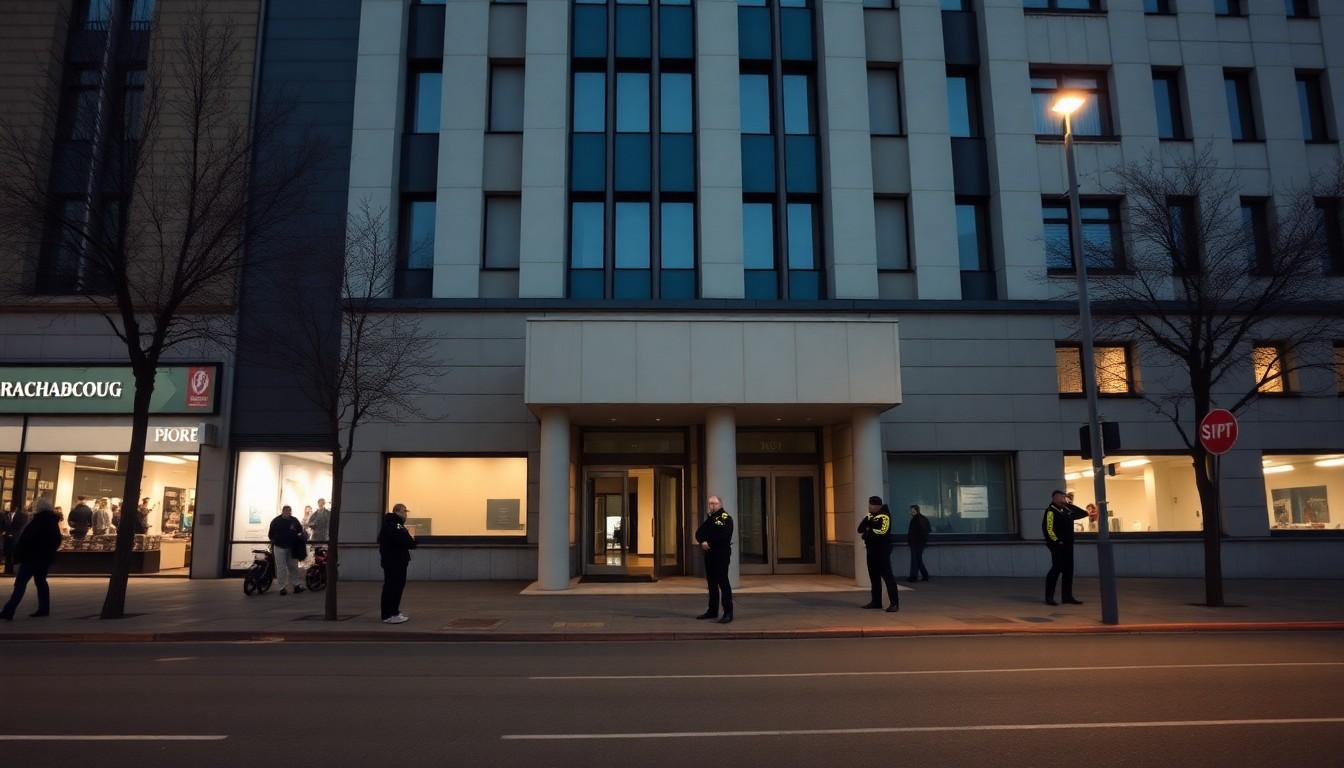
The most alarming development is in Türkiye, where authorities coordinated proceedings involving 162 suspects, nine associations and 13 businesses across 15 provinces. Officials described the operation as a family-protection measure, citing alleged offences including prostitution, obscenity, drug-related crimes and exposing children to inappropriate material.
Human-rights groups, however, argue that the campaign is discriminatory and risks turning LGBTQ advocacy itself into a target. According to reporting discussed by The Good Men Project, lawyers also alleged that police accessed detainees' phones and used private messages and photographs in case files. Those claims remain allegations rather than court findings, but they raise serious questions about privacy and due process.
The language is familiar: public order, children, morality and family safety. Yet such phrases can conceal a much broader political effort to intimidate civil society. For LGBTQ people considering travel to Türkiye, checking current official advice is not overcautious. It is sensible planning.
In Ukraine, Pride is both defiance and logistics
A Pride gathering in Kharkiv took place with rainbow flags, a substantial National Guard presence and police keeping participants apart from a counter-protest. The event ended without reported violence, but the heavy security detail says plenty about the environment.
Kharkiv is close to the front line, so this was never just a colourful street celebration. Participants were exercising a civil right in a city living under wartime pressure, while organisers had to weigh visibility against safety. The image of people gathering first in the metro and then emerging above ground is almost cinematic, but the practical reality is more serious.
The same dilemma appears elsewhere. Pride is meant to be public and joyful, yet organisers increasingly need plans for exits, emergency contacts, hostile filming and online harassment. That doesn't make visibility less valuable. It shows why it has to be protected.
Cyprus and the Nordic territories expose quieter gaps
In Cyprus, banners for the Queer Wave film festival were vandalised in Kaimakli. Accept LGBTI said the incident attacked queer visibility, freedom of expression and equal access to public space, and called for an investigation.
It may look minor beside mass arrests, but the message is still clear. Tearing down a festival banner tells LGBTQ residents that their culture is unwelcome in the neighbourhood. Film festivals matter here because stories can make unfamiliar lives understandable long before legislation catches up.
The Nordic territories offer a different lesson. Greenland, the Faroe Islands and Åland have made important reforms, but access to services and institutional support remains uneven, particularly for trans people. The Faroe Islands introduced same-sex marriage in 2017 and equal parental rights in 2021, while Greenland expanded anti-discrimination protections in 2024. Legal progress is real, but it doesn't automatically create specialist healthcare, confident public services or safety in remote communities.
Guyana's public mood offers a more hopeful signal
Guyana Together has attracted support from 250 organisations, including business, media and civil-society groups. Campaign figures cited in the discussion suggest that 53.9% of Guyanese support repealing the colonial-era law criminalising consensual same-sex intimacy, while 72% back workplace protections for LGBT people.
That matters because public opinion can shift before political systems do. It also underlines the awkward legacy of empire: laws introduced under British colonial rule still restrict LGBTQ people in several independent countries, even though Britain now has extensive legal protections.
Support doesn't guarantee reform, of course. Campaigners still need lawmakers, employers and institutions to turn broad approval into practical change. But a coalition this wide suggests the conversation is moving beyond LGBTQ organisations alone. That is often where durable progress begins.
Australia's apology shows why historical memory matters
In 1978, police broke up Sydney's first Mardi Gras demonstration, arrested 53 people and subjected participants to violence and public exposure. Newspapers published names, addresses and occupations, leaving some people facing lost jobs, housing problems and family rejection.
New South Wales Police and parliament later apologised to the 78ers in 2016. The apology could not undo the damage, but it acknowledged that the state had harmed people who were campaigning for rights now celebrated at one of Australia's best-known events.
That history offers a useful test for institutions today. Was the action lawful? Was it necessary? Was it proportionate? These questions apply to Pride policing, protest restrictions, surveillance and online monitoring everywhere. An apology is valuable, but preventing the next abuse is the real measure of learning.
What travellers and allies can do now
Before attending an LGBTQ event abroad, check government travel advice, local LGBTQ organisations and recent reporting rather than relying on old assumptions. Laws may change quickly, and a country that appears welcoming in tourist areas may treat public LGBTQ activity very differently elsewhere.
Digital safety also deserves attention. Avoid posting a live location, review who can see tagged photographs and think carefully before sharing identifiable images of other attendees. At a protest or Pride event, agree a meeting point and keep emergency contacts accessible.
For allies, support should be practical rather than performative. Donate to trusted local groups, challenge discriminatory language, amplify verified information and avoid treating communities under pressure as spectacles. Sometimes solidarity means marching at full volume. Sometimes it means helping someone get home safely.
The global LGBTQ rights picture is not a straight line. It is a patchwork of courage, backlash, reform and unfinished work.
It's a small but important reminder that safety and visibility must advance together.
Source Reference Map
Story idea inspired by: [1]
Sources by paragraph:
- Paragraph 1: ,
- Paragraph 2: ,
- Paragraph 3: ,
- Paragraph 4: ,
- Paragraph 5: ,
- Paragraph 6: ,
- Paragraph 7: ,
- Paragraph 8: ,
- Paragraph 9: ,
- Paragraph 10: ,