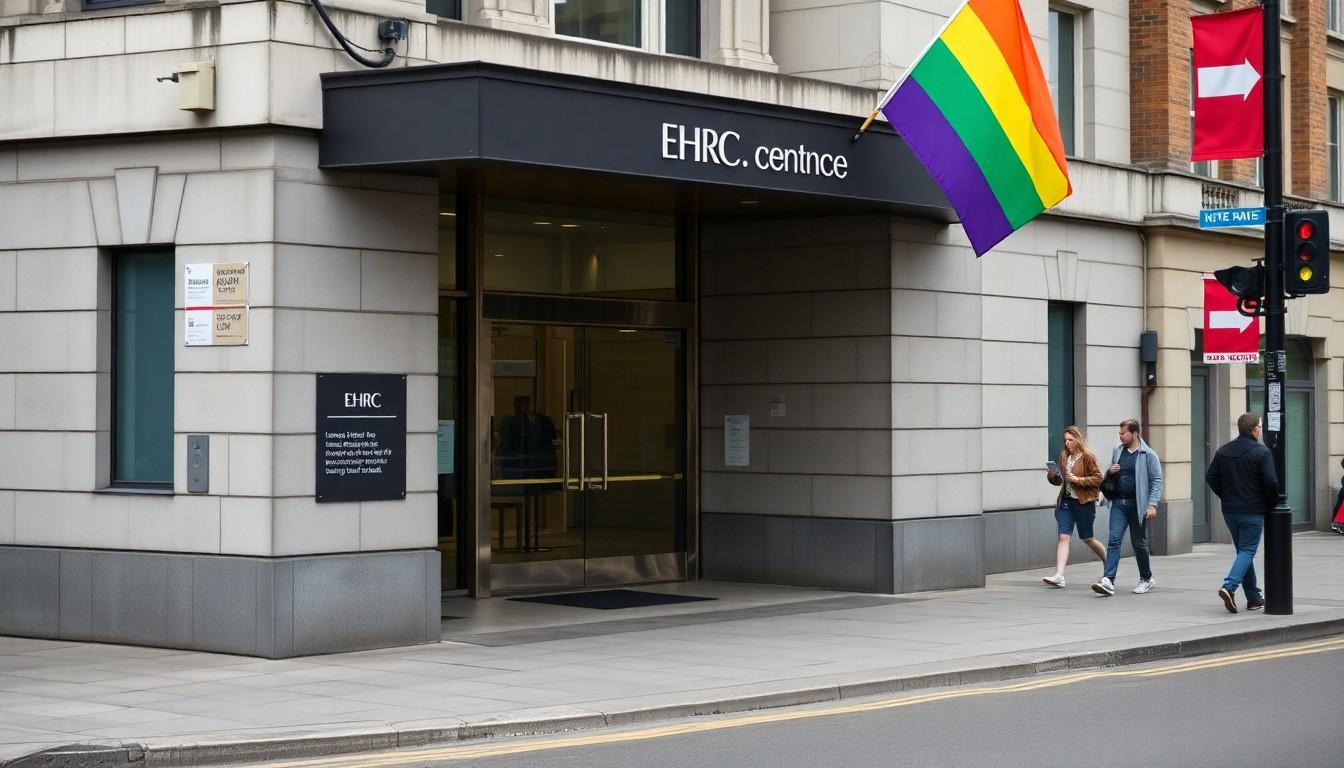
A fresh dispute over the EHRC’s single-sex space guidance is putting privacy, equality and trans rights back under the spotlight. The code followed the Supreme Court’s ruling on biological sex, but the watchdog’s chair says it doesn’t remove existing protections or introduce routine checks. Here’s what the guidance means, and why emotions remain so high.
Essential Takeaways
- The code reflects a court ruling: The guidance follows the Supreme Court’s interpretation of “sex” under the Equality Act.
- It doesn’t create new law: The EHRC says the code explains existing legal duties rather than abolishing trans protections.
- Trans people remain protected: Discrimination, harassment and victimisation linked to gender reassignment remain unlawful.
- The debate affects everyday services: Toilets, changing rooms and other single-sex facilities are at the centre of the dispute.
- Providers still need care: Organisations must balance privacy, dignity, safety and equality rather than rely on blunt assumptions.
Why the EHRC guidance has caused such a stir
The sharpest point of disagreement is whether the updated code clarifies the law or makes public life more difficult for trans people. The Equality and Human Rights Commission says it follows the Supreme Court’s April 2025 judgment, which found that single-sex services under the Equality Act are organised by biological sex. The Guardian reported that the guidance was intended to help organisations apply that ruling in practice. [3]
That sounds technical, but the consequences feel anything but abstract. Toilets, changing rooms, hospital wards and other intimate settings are places where privacy and personal dignity matter intensely. ITV News reported that campaigners have warned the guidance could create fresh tension between trans people, women and disabled people who may need additional support or accessible facilities. [2]
The disagreement has also been fuelled by competing public messages. Some activists have described the code as a bathroom ban, while the EHRC has rejected the idea that trans people have lost all access to public spaces. That gap between legal wording and lived fear is where much of the anger sits.
What the code actually says about trans protections
EHRC chair Mary-Ann Stephenson has argued that the guidance doesn’t introduce a new legal regime. According to the EHRC’s own review, the commission considered evidence and government policy before completing its work on single-sex spaces. [4]
The key distinction is between the definition of a single-sex service and the wider protections offered by the Equality Act. A service can be organised around biological sex while trans people remain protected from discrimination, harassment and victimisation because of gender reassignment. The Guardian’s explainer noted that the practical question is often whether a service is genuinely single-sex, rather than whether every facility must now operate that way. [6]
That distinction may be legally important, but it isn’t always easy to understand at the front desk of a leisure centre or in a crowded public building. For service providers, the safest approach is to publish clear policies, train staff properly and avoid humiliating or confrontational questioning.
The arguments from LGBT+ groups and councils
LGBT+ organisations have criticised the guidance as a rollback of rights, warning that it could encourage exclusion and make trans people feel unsafe using everyday services. The Good Law Project has described the code as discriminatory and unworkable, while other campaigners say it risks turning ordinary public spaces into sites of confrontation. [5]
Several London councils have also voiced opposition. The Guardian reported that council leaders questioned whether the code would increase exclusion and damage the ability of trans people to participate in public life. [7]
For many trans people, the concern isn’t only whether a particular toilet or changing room is legally available. It’s the prospect of being challenged, watched or treated as suspicious. A policy can look tidy on paper and still feel harsh in practice, especially when staff are uncertain and the public debate is already heated.
Why women’s privacy and safety remain part of the debate
The EHRC has said women’s concerns about privacy, dignity and safety should be taken seriously too. Its position is that acknowledging those concerns doesn’t require dismissing trans people’s rights, just as recognising trans people’s vulnerability doesn’t mean ignoring women’s experiences. [4]
That balancing act is central to the dispute. Some women’s groups argue that single-sex provision is necessary in settings where people undress, receive intimate care or may be vulnerable. Others fear that broad restrictions will unfairly target trans people and make services less welcoming for everyone.
There’s no magic phrase that resolves those competing needs. In practical terms, providers may need a mixture of single-sex facilities, private individual cubicles, accessible options and clear anti-harassment rules. Good design and calm management can often do more than dramatic signage.
What organisations should do now
Businesses, councils and public bodies shouldn’t treat the code as a reason to improvise. They need to identify which services are genuinely single-sex, understand when separate provision is lawful and proportionate, and explain their policies in plain English. The Guardian’s analysis stressed that the updated guidance is aimed at helping organisations interpret their duties, not forcing every service into a single model. [6]
Staff training will matter just as much as the wording of the policy. Employees should know how to handle complaints without demanding intrusive proof of sex or turning a routine visit into a public spectacle. Clear routes for reporting harassment are equally important, whether the person affected is trans, disabled or concerned about privacy.
The row is unlikely to disappear quickly. But the less confusing the rules are, and the more respectfully they’re applied, the better chance organisations have of protecting dignity without fuelling another round of suspicion.
It's a sensitive legal change, so clarity and compassion matter as much as compliance.
Source Reference Map
Story idea inspired by: [1]
Sources by paragraph: