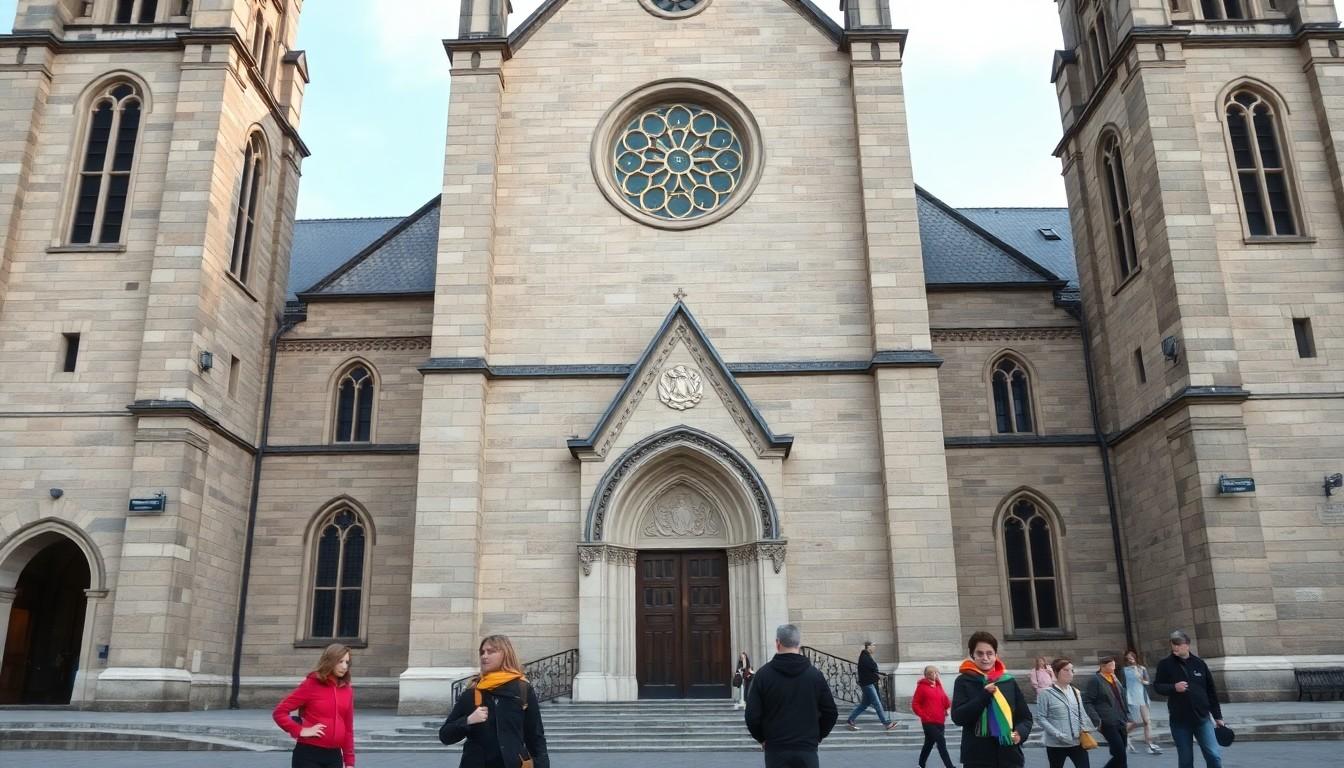
A German bishop is urging solidarity with LGBTQ+ people in Turkey after authorities reportedly detained 162 people in a recent crackdown. His intervention matters beyond church circles, highlighting how religious leaders can challenge fear, defend equal rights and offer public support when speaking out carries real weight.
Essential Takeaways
- 162 people reportedly arrested: Turkish authorities have launched a major anti-LGBTQ+ operation, according to German and international reporting.
- Bishop Ludwig Schepers spoke out: The German Catholic bishop said safety and freedom must apply to everyone, regardless of sexuality or gender identity.
- The crackdown has widened fear: LGBTQ+ people, activists and journalists in Turkey already face intense pressure and uncertainty.
- Solidarity is the message: Schepers backed people resisting human rights abuses and called for lives lived in safety, dignity and freedom.
- His record is unusually direct: The bishop has repeatedly challenged anti-LGBTQ+ attitudes within the Catholic Church.
A bishop puts Turkey's arrests in the spotlight
The strongest part of Bishop Ludwig Schepers' intervention is also the simplest: human rights aren't conditional. Speaking to Germany's Catholic News Agency, the auxiliary bishop of Essen condemned the fear created by Turkey's reported arrests of 162 gay people.
"When people fear for their safety and freedom simply because they are who they are and love whom they love, then that affects the entire society," Schepers said, according to New Ways Ministry's report of the interview.
That point lands heavily because the arrests aren't happening in isolation. Deutsche Welle and Al Jazeera have both reported on Turkish authorities' anti-LGBTQ+ raids, while the Guardian has described a broader climate of pressure involving activists and journalists. In such an atmosphere, even a public statement from a senior church figure can feel significant. ([2], [3], [4])
Why his Catholic argument matters
Schepers framed his response through a central Catholic principle: every person possesses inherent dignity. He said fundamental rights must apply to everyone, everywhere and without exception, including people who are LGBTQ+.
It's a direct challenge to the idea that religious belief and LGBTQ+ equality must sit on opposite sides of the room. The bishop's language instead places protection, freedom and dignity at the heart of Christian responsibility.
That distinction matters in Turkey, where reports of arrests have intensified concern among LGBTQ+ communities and their supporters. According to coverage from Deutsche Welle, the scale of the operation has added to an already hostile environment, making public solidarity more than a symbolic gesture. ([2], [5])
Turkey's crackdown has created a chilling effect
For LGBTQ+ people, the danger of a crackdown isn't measured only by the number of arrests. It also appears in the quieter changes: events becoming harder to organise, activists weighing every public statement and people wondering whether a familiar gathering place still feels safe.
Al Jazeera reported that Turkish authorities detained dozens during an anti-LGBTQ+ operation in September, while the Guardian linked the raids to wider pressure on queer activists and journalists. Together, the reports suggest a pattern that reaches beyond one police action.
That is why Schepers' pledge not to remain silent carries practical meaning. When public figures speak clearly, they can help counter the isolation that repression is designed to create. It won't erase the risk, but silence can make that risk feel even more absolute. ([3], [4], [6])
Schepers has made LGBTQ+ advocacy part of his public role
This isn't the first time Schepers has criticised hostility towards LGBTQ+ people. As the German Bishops Conference's liaison with the community, he has spoken against violence at a Berlin Pride event and urged churches to become places of care and welcome.
He has also challenged patriarchal structures within the Church and argued that LGBTQ+ people should be accepted across church life. In another public dispute, he criticised bishops who objected to an LGBTQ+ Jubilee pilgrimage at St Peter's Basilica.
His broader message is that faith communities should recognise the full variety of human life, rather than treating LGBTQ+ people as a problem to be managed. That makes his statement on Turkey feel consistent rather than carefully timed. ([2], [4], [7])
What this could mean for religious leadership
Schepers' comments raise an uncomfortable question for Catholic leaders elsewhere: if the protection of human dignity is universal, why are more bishops not speaking with the same clarity when LGBTQ+ people face state repression?
The answer is complicated. Church leaders operate within different political and cultural pressures, and some may fear alienating conservative congregations or provoking authorities. But that hesitation can also leave LGBTQ+ people hearing only the loudest hostile voices.
For now, Schepers is offering something both modest and important: public recognition, moral clarity and solidarity. In a tense moment, those can become a form of protection in their own right.
A clear voice can help make fear less isolating.
Source Reference Map
Story idea inspired by: [1]
Sources by paragraph: