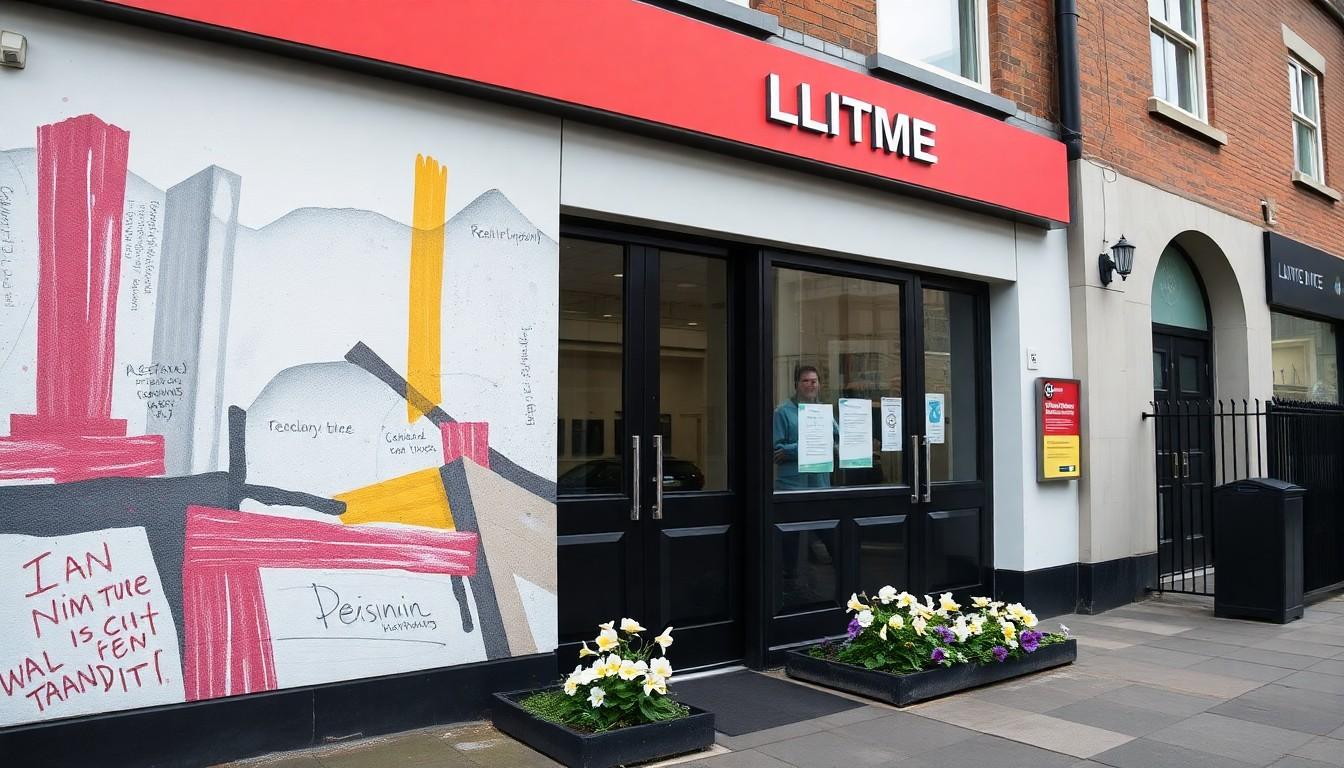
Visitors to Birmingham LGBT Centre are now greeted by a permanent pansy mural, created through The Pansy Project’s work with Shout Queer Arts & Culture. The artwork gives a lasting presence to a much wider programme of plantings, conversations and remembrance, while highlighting why LGBTQ+ safety, visibility and community history still matter across the city.
Essential Takeaways
- A lasting symbol: The mural is the first Birmingham painting by artist Paul Harfleet.
- A quiet protest: The Pansy Project plants flowers where homophobic or transphobic abuse has happened.
- A living archive: Each planting is photographed and recorded as part of an expanding LGBTQ+ history.
- A local warning: Police figures show that LGBTQ+ hate crime remains a current concern in Birmingham.
- A place for conversation: The project included a planting tour and a panel on queer infrastructure.
One flower, many difficult memories
There’s something striking about a small flower appearing where someone has been targeted for being queer. It’s delicate, almost ordinary, but that contrast is precisely what gives The Pansy Project its force.
Since 2005, artist Paul Harfleet has planted pansies at locations linked to homophobic and transphobic abuse. The project’s official website describes the gesture as a way to mark incidents that might otherwise disappear from public memory, turning overlooked places into points of reflection.
The work is modest in scale, yet emotionally direct. A single plant can’t undo violence, of course, but it can make an absence visible and invite people to stop, look and consider what happened there.
Birmingham’s tour brought the project close to home
In Birmingham, Shout Queer Arts & Culture and Birmingham LGBT Centre joined Harfleet for a planting tour across sites connected with LGBTQ+ hate and abuse. According to Shout’s event information, the tour was designed to transform places associated with harm into temporary spaces for remembrance and resistance.
That local focus matters. West Midlands Police recorded 721 LGBTQ+ hate crimes in Birmingham in 2022, followed by 799 in 2023, 669 in 2024 and 634 in 2025, according to the figures shared by Birmingham LGBT Centre. Those numbers need care: recorded crime data can’t show every incident, particularly when people don’t report what happened.
Still, the pattern makes one thing clear. Hate isn’t only a historical subject for museums or archives. It remains part of the everyday landscape, which makes public acts of remembrance feel uncomfortably relevant.
Why the new mural matters
The painted pansy at the Centre’s entrance gives the project a more permanent home. Unlike the planted flowers, which are intentionally temporary, the mural can remain in place as visitors come and go.
The Pansy Project explains that the flower carries several layers of meaning. “Pansy” has been used as an insult against gay men, while its relationship to the French word penser, meaning “to think”, adds an idea of reflection. The artwork therefore holds both the sting of language and the possibility of reclaiming it.
That symbolism is especially powerful at a community centre. The mural doesn’t sit apart from daily life behind glass or on a distant gallery wall. It meets people at the entrance, quietly saying that queer history belongs here, and that Birmingham’s wider history includes the experiences of LGBTQ+ people.
A panel asked what queer cities need
The planting tour was followed by a panel discussion about queer infrastructure in Birmingham. Shout’s event listing framed the conversation around the spaces, support networks, histories and protections needed to help queer communities survive and thrive.
That’s a useful shift in focus. Memorials can honour what has happened, but infrastructure asks what must happen next. It means thinking about safe venues, accessible support, community organisations, cultural events and the preservation of queer stories before they fade.
The discussion also connects with a wider interest in how art can document prejudice without becoming purely bleak. As Metro Weekly reported in its coverage of The Pansy Project, Harfleet’s horticultural interventions use beauty and interruption to draw attention to homophobic attacks. The flowers are gentle, but they refuse to let the locations remain anonymous.
How to read the pansy at the Centre
For visitors, the mural may initially look like a simple botanical image. Its meaning becomes richer when seen as part of the wider project: a record of harm, a tribute to those affected, and a statement that queer people have the right to exist openly in their city.
It also asks for a moment of attention. The best memorials don’t simply tell us what to think; they create room to think for ourselves. Here, that pause might be brief, perhaps just long enough to notice the paint, the flower and the people represented by it.
The Pansy Project’s wider archive shows how a repeatable gesture can build into something substantial over time. Birmingham’s mural now joins that story, giving the city a permanent reminder that visibility can be both protective and defiant.
A flower won’t solve hate crime, and it shouldn’t be asked to. But it can help a community remember, speak and keep building.
A small image with a lasting responsibility
The mural is more than decoration for the Centre’s entrance. It is a marker of loss, survival and the ongoing work of making Birmingham safer and more welcoming for LGBTQ+ people.
For anyone passing through, it offers a simple invitation: pause, learn why it is there, and carry its meaning beyond the wall.
It’s a small flower with a very large memory.
Source Reference Map
Story idea inspired by: [1]
Sources by paragraph: