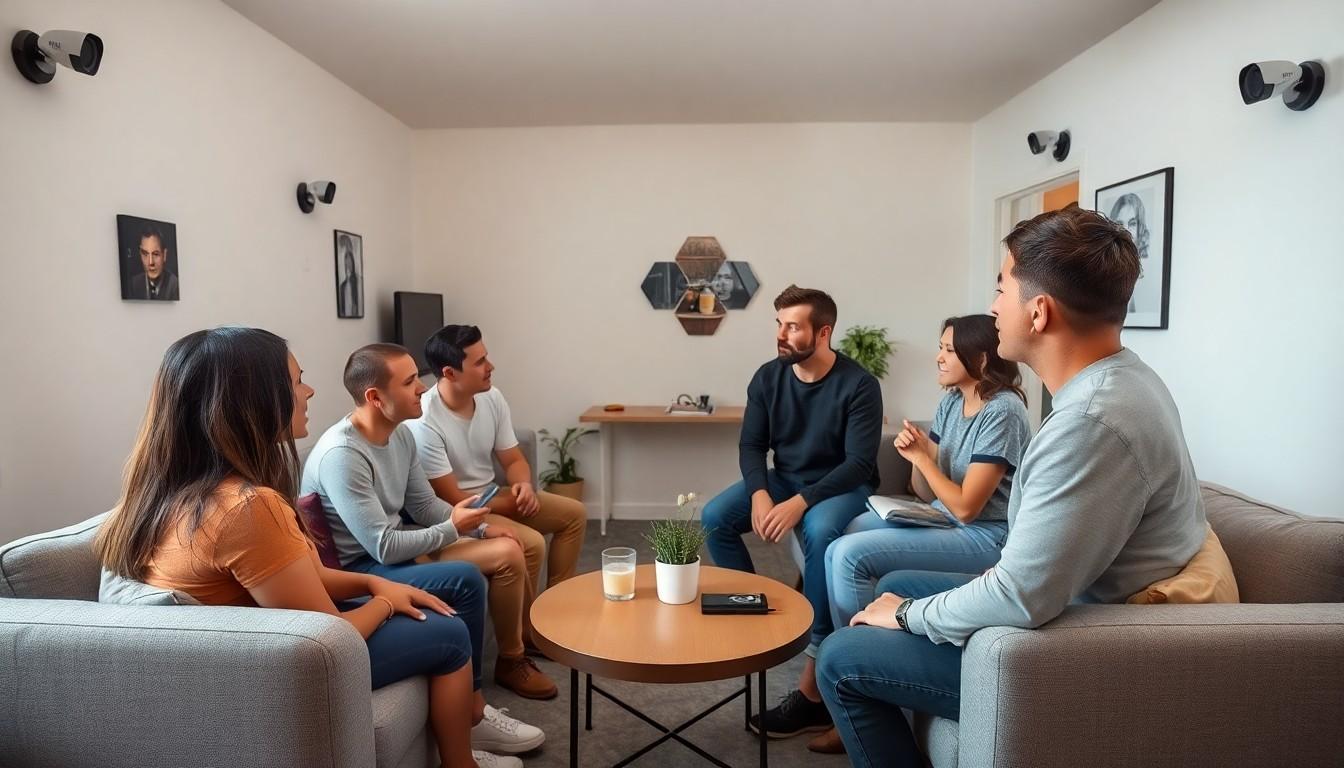
Viewers are debating what LGBTQ+ allyship really means after ITV’s Big Brother housemates clashed over identity, language and trans inclusion. The exchange, broadcast on ITV2 and ITVX, quickly spilled online, exposing a familiar tension: some people resist labels, while others say visible support still matters when LGBTQ+ rights are under pressure.
Essential Takeaways
- The argument: Housemates disagreed over whether “ally” is a useful label or an unnecessary one.
- Twinks’ position: Lucinda “Twinks” Burnett backed trans inclusion in bathrooms and sport, and argued for community solidarity.
- Omar’s response: Omar El Mayer said he supported people generally but rejected being specifically described as a gay ally.
- Why it matters: LGBTQ+ organisations say allyship involves learning, speaking up and challenging discrimination, not simply avoiding hostility.
- Where to watch: Big Brother continues on ITV2 and ITVX.
A Big Brother conversation turns unexpectedly serious
The discussion began with housemates talking about free speech, identity and the feeling that people now have to choose their words carefully. It soon moved towards LGBTQ+ issues, with Twinks explaining that a close friendship had helped her mother become a strong trans ally.
That prompted Omar to ask what “ally” meant. The question might have passed quickly in another conversation, but here it became the spark for a much wider disagreement about labels, solidarity and who gets to define support.
According to The PinkNews, the exchange also involved questions about trans people using public bathrooms and competing in sport according to their lived gender. Twinks said she believed trans people should be included, while other housemates expressed discomfort. [2]
What does being an LGBTQ+ ally actually involve?
An LGBTQ+ ally is generally someone who doesn't identify as LGBTQ+ but supports the community's equality, safety and rights. That support can be quiet and personal, such as learning respectful language, or public and outspoken, such as challenging homophobic or transphobic comments.
Guidance from the University of Wisconsin-Milwaukee's LGBTQ+ Resource Centre stresses that allyship is an ongoing practice rather than a badge someone earns once. It involves listening to LGBTQ+ people, recognising one's own knowledge gaps and taking action when discrimination appears. [3]
The Chicago Public Schools guidance similarly presents allyship as active support, not merely claiming to be accepting. In other words, the label isn't meant to suggest someone is LGBTQ+; it describes how they stand alongside the community. [4]
Why some people push back against the label
Omar said he preferred to see himself as an ally of humanity and didn't want to be placed in a narrower category. That distinction reflects a common instinct: people may believe everyone deserves respect but feel uncomfortable being assigned a political or social identity.
There’s also a difference between personal kindness and public allyship. Treating people decently is essential, but established LGBTQ+ guidance says allyship can go further by confronting prejudice, supporting inclusive policies and making space for voices that are often ignored.
The Human Rights Campaign's allyship resources frame the role as something that requires consistency, humility and willingness to learn. It isn't about being perfect, and it certainly isn't about collecting praise. It’s more like turning up repeatedly, including when the conversation is awkward. [5]
The housemates’ disagreement shows why context matters
Twinks argued that political arguments about LGBTQ+ people can become excessively focused on bodies and anatomy, rather than on people’s lives. Her emphasis was on community and protection, a position that placed her at odds with those who wanted a more individualistic approach.
Meanwhile, the conversation became increasingly tense as housemates questioned one another's motives. Some viewers supported Omar's objection to the label, while others argued that rejecting the term altogether risked minimising the importance of standing clearly with LGBTQ+ people.
The National LGBT Bar Association's guidance on allyship highlights the value of using influence responsibly and supporting equality in practical ways. That might mean correcting misinformation, backing inclusive rules or refusing to let discriminatory claims go unchallenged. [6]
Viewers are split, but the bigger issue is familiar
After the episode aired, social media reactions focused heavily on Omar. Some viewers praised his refusal to accept labels, while others said that being called an ally should not be controversial if someone supports LGBTQ+ equality.
Other fans questioned why Omar attracted the strongest criticism when the discussion also included remarks about trans people and public facilities. That reaction points to the difficulty of turning a complicated group conversation into a single online verdict.
Big Brother has always thrived on these moments, when a living-room disagreement becomes a national argument by breakfast. Here, the most useful takeaway may be that allyship is shown through actions, not just accepted or rejected as a label. [2]
The programme continues on ITV2 and ITVX, with the housemates likely to revisit the tensions sooner rather than later. TV Blighty's listings confirm the continuing run of the current series. [7]
It's a small word, but real allyship is measured by what people do with it.
Source Reference Map
Story idea inspired by: [1]
Sources by paragraph: