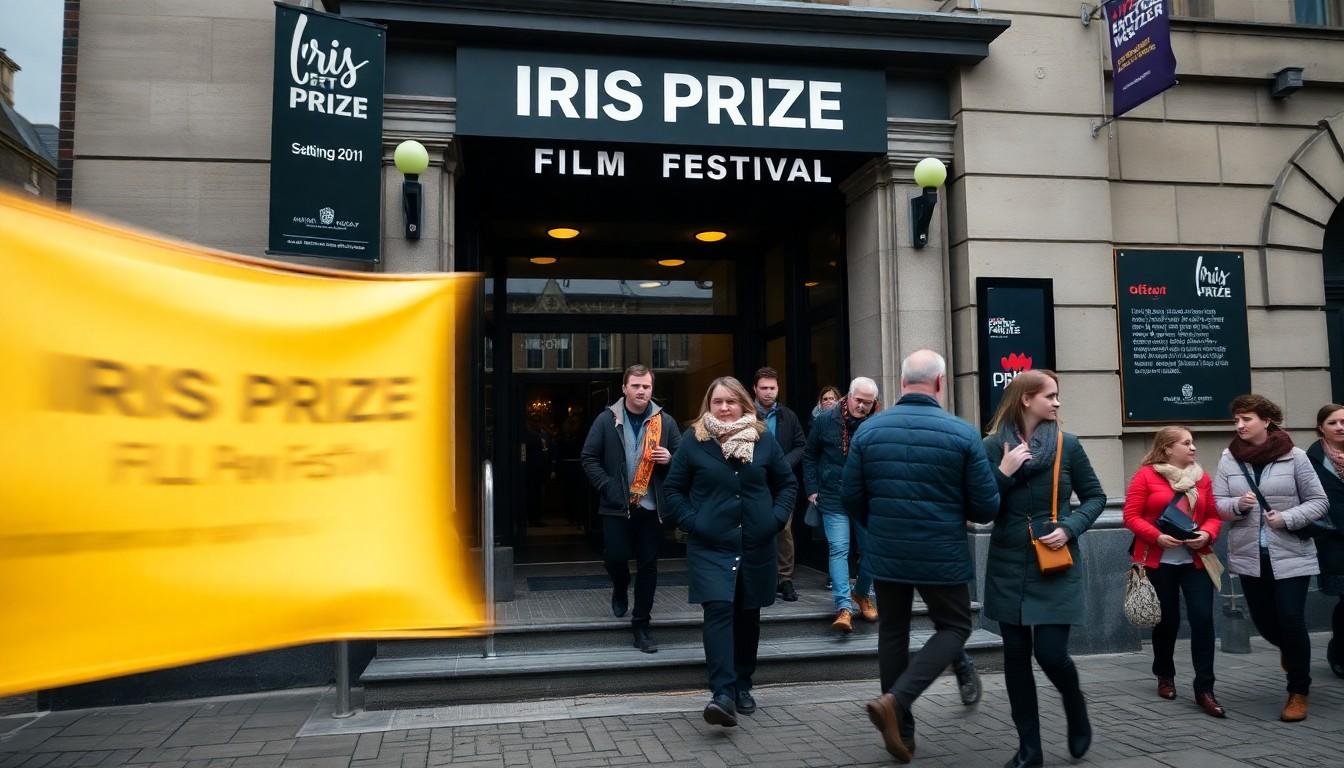
Film fans are heading to Cardiff and beyond for Iris Prize LGBTQ+ Film Festival 2026, where Welsh talent, international queer cinema and a landmark 20th anniversary meet. Running from 12 to 18 October, the popular festival offers a week of screenings, talks and celebrations for anyone looking for bold, heartfelt storytelling on screen.
Essential Takeaways
- A milestone edition: Iris Prize returns for its 20th festival, running from Monday 12 to Sunday 18 October.
- Welsh talent takes centre stage: Opening-night films include Love Is Not An Emotion, Cranogwen a Fi and Wear I Am.
- A global programme: The festival brings LGBTQ+ stories from Wales and around the world to Cardiff audiences.
- Big-screen premieres: Welsh-Irish director Rhys Marc Jones's Black Church Bay receives its Welsh premiere.
- A packed programme: The festival includes competing shorts, feature films, talks, juries and social events.
Cardiff is ready for a landmark queer cinema week
There’s something especially satisfying about a film festival that feels both proudly local and genuinely international. Iris Prize has built that balance over two decades, and its 2026 edition brings LGBTQ+ cinema back to Cardiff with a celebratory programme designed for committed cinephiles and curious newcomers alike.
The festival runs across the city from 12 to 18 October, with screenings and events planned at venues including St David's Dewi Sant and Cineworld Cardiff. Visit Wales lists the event as a major fixture in the Welsh cultural calendar, while Iris Prize's own programme presents the anniversary edition as a particularly ambitious year for the festival.
For visitors, that makes Cardiff an easy base for a full week of queer film. You can settle in for a serious short-film session, then head out for food or drinks without needing to turn the trip into a logistical expedition.
Welsh filmmakers get the opening-night spotlight
The opening night is where the festival's Welsh identity comes through most clearly. The programme features Love Is Not An Emotion, Cranogwen a Fi and Wear I Am, offering a snapshot of LGBTQ+ storytelling connected to Wales and its creative communities.
The evening also introduces the 2026 Pink Portraits project, created by BBC Cymru Wales in partnership with Iris Prize and Ffotogallery. Cardiff-born creative Harrison Williams made this year's portraits, which celebrate LGBTQ+ colleagues and their experiences within BBC Wales.
That combination of film and photography gives the opening a broader feel. It isn't only about what appears on screen, but about who gets to shape the cultural picture around it. Iris Prize has long made room for emerging voices, and this year's Welsh emphasis feels like a confident statement rather than a token gesture.
The programme stretches well beyond Cardiff
While Welsh work is central to the anniversary edition, the festival's appeal lies in its wider reach. Iris Prize's 2026 features and shorts programme brings together queer stories from different countries, perspectives and filmmaking traditions, giving audiences plenty of ways into the festival.
Among the notable titles is Black Church Bay, from Welsh-Irish director Rhys Marc Jones, which receives its Welsh premiere. The film adds another strand to the programme's regional story, linking Welsh landscapes and creative talent with the international conversation around LGBTQ+ cinema.
Iris Prize has also announced 35 short films competing for the 2026 LGBTQ+ Iris Prize. For viewers who enjoy discovering filmmakers before everyone else is talking about them, that competition is likely to be one of the festival's biggest draws. Shorts can be wonderfully unpredictable: one may leave you laughing, another quietly wrecked before the credits have finished.
Why TRY deserves a place on your list
Lewis Bayley's TRY is another opening-night highlight. The short marks Bayley's directorial debut and stars T'Nia Miller, whose performance gives the film an immediate point of interest for audiences who follow contemporary queer and British screen talent.
A debut behind the camera can bring a distinctive energy, particularly in short film, where every scene has to earn its place. Iris Prize's focus on new and developing filmmakers makes TRY a natural fit for the festival, alongside work from more established names.
The practical tip is simple: don't treat the shorts as a warm-up before the feature films. The festival's competitive short-film strand is where many of its freshest discoveries are likely to happen, so check the running times and programme notes before booking.
Talks, juries and a proper festival atmosphere
The festival's cultural reach is reinforced by its jury and talk programme. S4C's Sara Peacock chairs the Iris Prize jury, while Rebecca Hardy, director of BAFTA Cymru, joins the panel. Guto Rhun is also part of the Best British jury, adding strong Welsh industry representation to the awards process.
That matters because Iris Prize isn't simply a sequence of screenings. It creates a meeting point for filmmakers, performers, programmers and audiences, with conversations about representation and the realities of making LGBTQ+ work.
There should be plenty of room for celebration, too. Festival director Berwyn Rowlands has described opening night as both a showcase and a party, with the slight complication that it falls on a school night. Sensible shoes may not be essential, but they probably won't hurt.
For tickets and the latest schedule, check the official Iris Prize programme and box office before travelling, as individual screenings and events may fill at different speeds.
Iris Prize 2026 looks set to make its 20th anniversary feel less like a retrospective and more like a lively next chapter.
Source Reference Map
Story idea inspired by: [1]
Sources by paragraph:
- Paragraph 1: [2], [3]
- Paragraph 2: [4], [6]
- Paragraph 3: [3], [7]
- Paragraph 4: [1], [6]
- Paragraph 5: [5], [6]
- Paragraph 6: [1], [4]
- Paragraph 7: [1], [6]
- Paragraph 8: [1], [5]
- Paragraph 9: [1], [4]
- Paragraph 10: [5], [6]
- Paragraph 11: [1], [2]
- Paragraph 12: [1], [6]
- Paragraph 13: [2], [4]
- Paragraph 14: [3], [7]
- Paragraph 15: [1], [6]
- Paragraph 16: [1], [2]
- Paragraph 17: [2], [6]