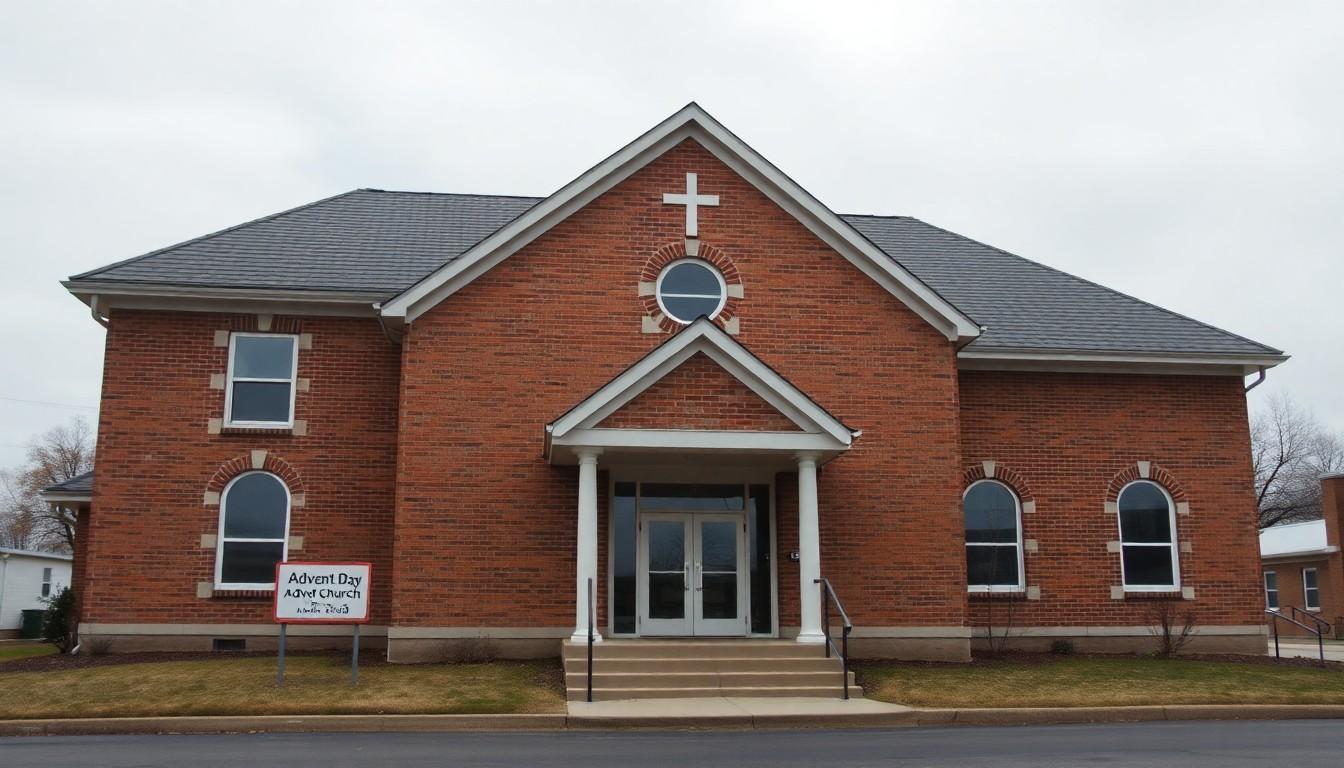
Readers are revisiting what it means to belong in a church community when faith, identity and politics collide. For LGBTQ Adventists, the question is especially personal: can a congregation offer more than polite welcome, and create a safer, more honest home where people don't have to hide to stay?
Essential Takeaways
- Conditional welcome hurts: Being accepted only with limits can leave people constantly monitoring what they say and show.
- Childhood messages matter: Religious teaching about sexuality can shape self-worth long before young people have language for identity.
- Support does exist: LGBTQ Adventist networks offer community, advocacy and space for faith to develop without concealment.
- Belonging means participation: Genuine inclusion involves listening to LGBTQ members, not simply allowing them through the door.
- The wider church is divided: Adventist views on LGBTQ questions remain varied, reflecting broader tensions between doctrine, pastoral care and personal experience.
When church becomes a test of identity
The sharpest pain isn't always an argument. Sometimes it's the quiet realisation that a room has already decided what you represent before you've said a word.
For LGBTQ Adventists, that feeling can begin in childhood. Religious lessons, family expectations and warnings about sexuality may arrive before a young person understands their own identity. The result can be a private, exhausting habit of watching every gesture, friendship and sentence.
Research from the Human Rights Campaign shows that Christian denominations and communities take a wide range of positions on LGBTQ issues. That variety matters, but it doesn't erase the lived experience of people who have felt judged inside their own tradition.
A long history of conditional belonging
The experience described by LGBTQ Adventist writers isn't separate from the church's wider debates about authority, culture and social change. The Seventh-day Adventist Church is a global denomination, with congregations shaped by sharply different national and local contexts.
That can make belonging feel uneven. One congregation may offer warmth and practical support, while another treats LGBTQ identity primarily as a theological problem. The label on the building stays the same, but the emotional climate can change dramatically from one Sabbath to the next.
Adventist-focused organisations such as SDA Kinship have developed partly in response to that gap. Their work reflects a simple reality: when official or local church structures feel unsafe, people often build parallel spaces where they can discuss faith, identity and survival more openly.
Why the words used in childhood linger
A lesson delivered to a room full of children can have consequences far beyond the classroom. Young people often hear religious authority as moral fact, especially when they don't yet have trusted adults or alternative communities to help them question it.
That doesn't mean every difficult teaching produces the same outcome. But evidence from reporting on LGBTQ students at Christian colleges suggests that institutional messages about sexuality can affect mental health, safety and confidence, particularly when policies and daily campus life don't match promises of welcome.
The emotional residue can be surprisingly physical: a tightened stomach before church, a careful answer at the dinner table, or the instinct to edit a story before telling it. Years later, people may still ask themselves whether being fully known would cost them their community.
Faith, politics and the feeling of being outnumbered
The original essay connects LGBTQ exclusion with the newer experience of political minorities inside conservative religious spaces. The comparison isn't identical, and it shouldn't flatten the different stakes involved. A political disagreement between adults is not the same as a child believing that God condemns who they are.
Still, the connection reveals something useful. People often understand exclusion more clearly once they experience it personally. Pew Research has documented the complicated relationship between religion, political identity and social attitudes in the United States, where congregations can become places of both fellowship and cultural sorting.
That makes solidarity more than a slogan. Someone who feels newly isolated because of political views may be better placed to recognise what long-standing LGBTQ members have endured, provided they listen rather than compare suffering.
What meaningful inclusion would look like
Saying "everyone is welcome" is easy. Making that welcome credible takes more work.
It means creating clear safeguarding and anti-discrimination standards, supporting confidential pastoral care, and ensuring LGBTQ members can participate without being treated as a permanent controversy. It also means making room for testimony, because policy discussions can become strangely abstract when the people affected are kept at arm's length.
Adventist Review has written about love as something demonstrated through practice rather than sentiment. That distinction is crucial here. A church can maintain its theological debates while still choosing kindness, honesty and protection from humiliation in everyday congregational life.
For individuals looking for a safer faith community, practical questions can help. Ask how leaders respond to LGBTQ visitors, whether confidentiality is respected, what support exists for young people, and whether inclusion applies to volunteering, relationships and family life as well as attendance.
The community may need to listen differently
The most hopeful idea in this debate is that communities can learn. A church isn't fixed by its past, even when its past has caused deep harm. But change usually begins when people stop treating wounded members as interruptions and start treating their experiences as knowledge.
That shift won't satisfy everyone, and it won't resolve every theological dispute. It can, however, make room for a more mature form of faith, one in which compassion isn't reserved for people who already fit the rules.
For LGBTQ Adventists, the desire is often modest and profound at once: to worship without performing a safer version of themselves. That isn't asking for special treatment. It's asking whether the family table can finally feel like part of the gospel.
A church becomes stronger when belonging doesn't require anyone to disappear.
Source Reference Map
Story idea inspired by: [1]
Sources by paragraph: